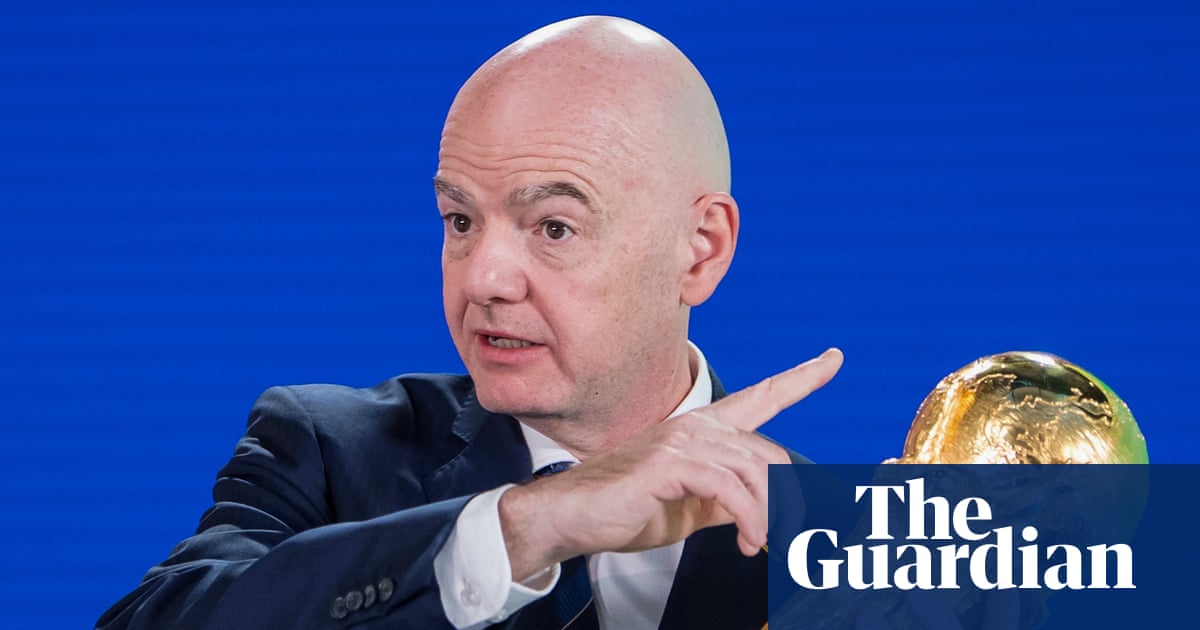

InfantinoâÂÂs $20bn World Cup sell-off plan was to run for up to 96 years, documents show
Management team were in line for huge payouts
Fifa denies Infantino would have profited from plan
Gianni InfantinoâÂÂs failed Fifa Forward Enterprise plan could have locked football in for up to 96 years while paying its management up to 5% of the schemeâÂÂs multibillion-pound value, according to documents seen by the Guardian.
Previously undisclosed communications by Fifa and Thrive Capital, the lead investor for the proposal, cast fresh light on the deal to sell off footballâÂÂs crown jewels. They outline a plan, produced days before JulyâÂÂs final of the 2026 World Cup, to profit from the sportâÂÂs burgeoning commercial revenues for almost a century.
Infantino hopes to be re-elected for a fourth term as president in March and is the favourite to win that contest.
Quick GuideHow do I sign up for sport breaking news alerts?
Show
In the Guardian app, tap the Profile settings button at the top right, then select Notifications. Turn on sport notifications.
If you already have the Guardian app, make sure youâÂÂre on the most recent version.
If you don't have the Guardian app, download it from theÃÂ iOS App StoreÃÂ on iPhone or theÃÂ Google Play storeÃÂ on Android by searching for 'The Guardian'.
An internal Fifa risk assessment dated 17 July, designed as one of the final steps before concluding the FFE agreement, spells out the schemeâÂÂs extraordinary scope. âÂÂThis deal provides for Fifa to create a for-profit subsidiary which would have all the commercial rights for Fifa events transferred to it for commercial exploitation for the next 96 years,â one section reads.
Another internal Fifa document written the following day, outlining the proposed agreement with Thrive, says the dealâÂÂs contract period âÂÂwould be for rolling 12-year license periods to a sum maximum total of 96 yearsâ and goes further in stating Fifa would assume 51% ownership âÂÂin perpetuityâÂÂ.
The existence of a lucrative âÂÂmanagement incentive planâ for unnamed individuals helming the scheme casts into stark light the extent to which its architects could have profited. The plan is first mentioned in a term sheet and âÂÂbackstop letterâ drawn up by Thrive on 17 July, which refers to FFE as âÂÂProject BoxâÂÂ, and sets aside up to 5% of FFEâÂÂs stock as a bonus pool for the new firmâÂÂs management. In theory it could have paid out up to $50m (ã38.2m) for each $1bn added to the schemeâÂÂs value above $20bn, which was its initial valuation.
The term sheet says the plan âÂÂwill permit the issuance of profits interests representing up to 5% of the fully diluted capitalisation of FFE, which will dilute all unitholders on a pro rata basisâÂÂ. According to the Fifa memo the poolâÂÂs existence aimed to âÂÂensure sufficient motivation to perform wellâÂÂ.
A further clause states that, if Fifa breached its agreement with Thrive or completed an agreement with a rival party, Thrive would have been entitled to a break fee totalling 1.25% â $250m â of FFEâÂÂs worth. Fifa would not have been permitted to engage in talks with other potential lead buyers for a year, or until the FFE deal closed.
FifaâÂÂs memo of 18 July confirms there was no tender process âÂÂowing to the specific and unique nature of the proposed investmentâÂÂ. The risk assessment document confirms its own finance department was âÂÂnot directly privy to the terms of the transactionâÂÂ, casting further doubt about the processes followed in pursuing the deal.
Fifa declined to comment when contacted by the Guardian. The world governing body has consistently denied that Infantino stood to profit personally from FFE, which will raise questions as to who would have benefited from the management incentive plan.
The documents make clear that the issuance of so-called MIP units would be managed by the board of FFE, which Infantino was due to chair.