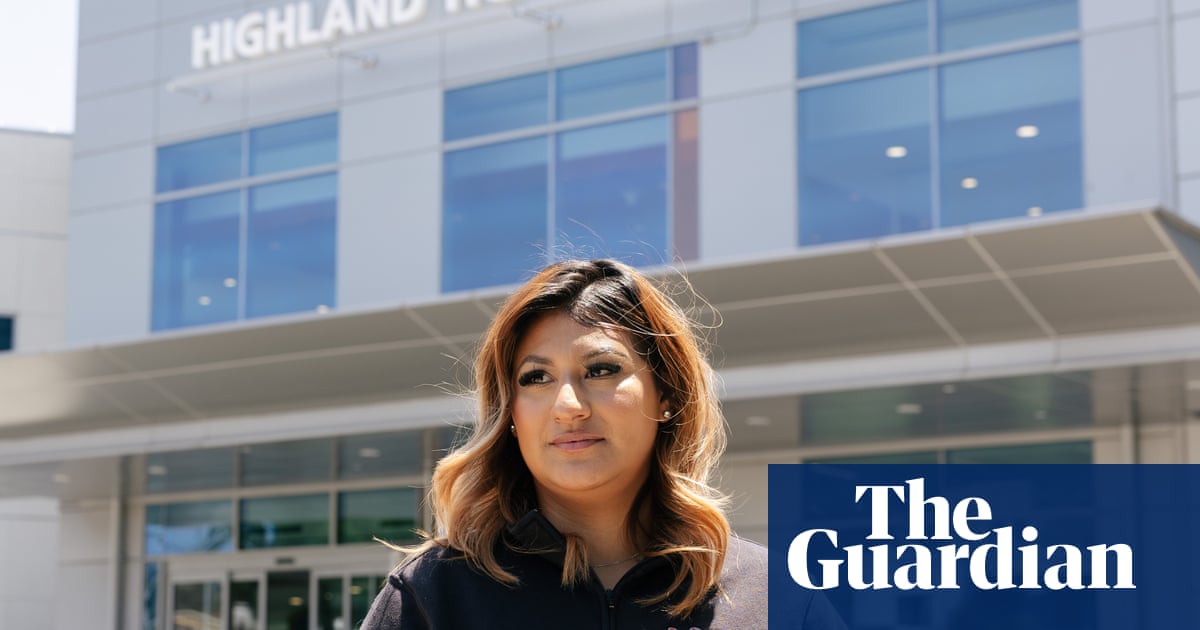

ICE raids forever changed the work of these gun violence prevention workers: âÂÂThe panic is still thereâÂÂ
Gun violence-prevention programs are another casualty of TrumpâÂÂs immigration enforcement crackdown
Last June, hundreds of federal agents descended on Los Angeles in the first major immigration enforcement operation of the second Trump administration. Immigrants were swept up at Home Depots and car washes, in front of food stands and at garment factories.
In some Latino and immigrant communities, residents were afraid to go to work; kids stayed home from school and petrified families had friends and neighbors make their grocery runs, too scared to go outside themselves.
For violence interrupters â the people who go out every day hoping to prevent people from getting killed by gun violence â the raids were a fork-in-the-road moment that forever changed their approach to work.
âÂÂKids are living afraid instead of going to school,â said Violet Gallegos, a youth services and gang intervention worker serving her home community of South Los Angeles. âÂÂItâÂÂs created a system where youâÂÂre keeping people broke, poor, and leaving communities [like this one] still marginalized.âÂÂ
âÂÂItâÂÂs created a lot of fear, a lot of anger and a lot of division,â said Salvador Marquez, who works for an organization serving LAâÂÂs Harbor Gateway area.
The Guardian spoke to three violence intervention workers in California about how ongoing federal immigration enforcement is affecting their ability to keep neighborhoods safe.
Violet Gallegos, Volunteers of America
Gallegos is a youth service and gang intervention worker for Volunteers of America, which runs extracurricular programs for local youth in South Los Angeles to steer them away from street life.
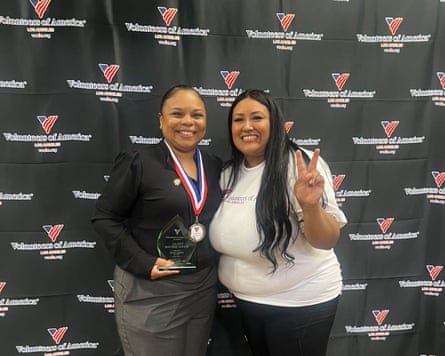
Violet Gallegos (right) at a Volunteers of America event. Photograph: Courtesy of Violet Gallegos The ICE raids last summer were devastating. âÂÂIt really affected our work. We have kids that donâÂÂt even have papers, so they werenâÂÂt going to school. So that dream of them maybe going to college was out the window, and theyâÂÂre living in fear. âÂÂItâÂÂs slowed down now, but the panic is still there. There were some kids who didnâÂÂt want to come to our program [any more]. âÂÂThey were coming to change their lives here and transform. Now youâÂÂre taking them away from everything they know and then youâÂÂre isolating them. WeâÂÂre really resilient people, but âÂÂa community that builds in fear will always be on shaky ground, because they donâÂÂt feel secure.
How do you stop them from picking up guns? You stay visible. I live in the community so I get to hear everything thatâÂÂs going on. IâÂÂm at a park and they constantly know that IâÂÂm nosy and IâÂÂm pulling up on them and IâÂÂm like, âÂÂHey, what are you doing?â When they know that somebody cares, theyâÂÂre more careful about what theyâÂÂre carrying and what theyâÂÂre doing.
The raids made us resilient, it taught us that we canâÂÂt just have kids come to our workshops. Right now I have a workshop for journaling and weâÂÂre teaching people how to put their emotions [on the page]. So if they canâÂÂt come to the workshop, letâÂÂs teach them how to journal at home. âÂÂNow weâÂÂre teaching the kids: âÂÂHow are you gonna deal with your anger? Are you going to go and fight, or are you gonna write down your emotions in a notebook and really reflect on what youâÂÂre thinking?âÂÂ
âÂÂI also started a workshop called âÂÂThe Journeyâ where IâÂÂm training other people how to be leaders in their community. God showed me I canâÂÂt do everything by myself, so I have to train people who can be out there too.â Even though federal immigration enforcement brought fear, weâÂÂre all struggling with the same thing together. ItâÂÂs no longer like, âÂÂWhat block, what neighborhood youâÂÂre from.â TheyâÂÂre taking all our people. So I feel like itâÂÂs brought unity in a very weird way.
Guadalupe Serrano, Youth Alive
Serrano is the program manager for Caught in the Crossfire (CiC), Youth AliveâÂÂs hospital-based intervention program helping survivors of gun violence in Oakland.

Guadalupe Serrano. Photograph: Courtesy of Guadalupe Serrano We definitely saw a decrease in people going into the hospitals to treat their injuries or do follow-ups. âÂÂWe had clients who had to do surgeries to treat their wounds to avoid infections and stop treatment, which affected them later down the road. TheyâÂÂre doing a longer recovery with physical therapy and therapy sessions. âÂÂWhen it came to enrolling new patients, they were very hesitant; the trust wasnâÂÂt there.
We had clients who would say, âÂÂOh, I saw ICE roaming around the hospital or the parking lot.â âÂÂWe had conversations with the trauma social workers, our point of contact there [at the Highland hospital in Oakland], and theyâÂÂve been really good with the whole ICE situation. So I think it was just like more of the participants being scared.
Clients would also ask for legal advice. Even though we would try to advise them the best that we could, they would get frustrated or they would stop being responsive because they were not getting the answers they wanted to hear.
Salvador Marquez, Arise & Go
Marquez is a community violence intervention specialist serving LAâÂÂs Harbor Gateway area, which is home to a large Latin American immigrant population.
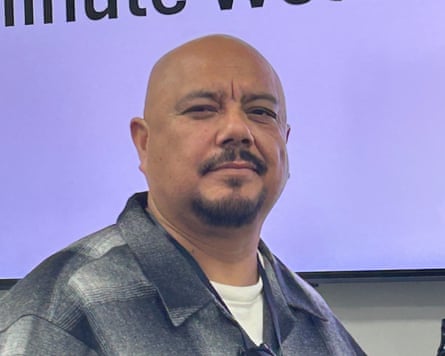
Salvador Marquez. Photograph: Courtesy of Salvador Marquez Intervention is being able to show the community that youâÂÂre here for them. ThereâÂÂs a lot of times that you donâÂÂt do much but just give someone a hug or sit there and cry with them for their loss or for their joy, and you notice that means a lot to people.
Summer Night Lights is a parks program that was designed for gang members. They said, âÂÂLetâÂÂs have the parks open from 6pm to midnight; weâÂÂll have activities, weâÂÂll have food.â They saw that it worked and it came here to Normandale Park in 2010. âÂÂEveryone loved it, and everybody took pride in it because they would hire youth to do the activities and pass out the food to the community.
When the immigration [crackdown] started, the attendance started going down, and the people that were showing up were too fearful to sign in. âÂÂWhen a program comes in, city staff always wanna see the outcome â how many people came, got fed, and how many people got serviced. We couldnâÂÂt show that [any more].
The city cut the funding for this park. Instead, we started barbecuing hamburgers every Thursday, we were bringing jumpers for the kids, and other activities. But the attendance just wasnâÂÂt there. âÂÂPeople were not coming. People were too fearful.
I know that violence has gone down. âÂÂIs it due to ICE, Covid, LAPD? Is it due to our work? WeâÂÂre not sure, I think itâÂÂs a little bit of everything. We had our first murder out in the Harbor [area] a few months ago. One murder is one too many.
When somebody from the community sees a car that they donâÂÂt think belongs here, they start letting everybody know that ICE was here, that they took people, so now my job is to go out there and really find out if they did take somebody â itâÂÂs the same rumor control. Now, I have to adapt.â How do I still pass out resources that I have and be able to bless these families without them feeling that theyâÂÂre gonna get detained? IâÂÂve had conversations with gang members, seeing them angry because itâÂÂs their grandmother, father, mother, older brothers or sisters that are at risk of getting deported.
If [community members] ask if I would go to the grocery store for them, then I will. ThatâÂÂs the only way that I could win their trust back. âÂÂI think thatâÂÂs a new thing that we started doing with our intervention work, at least in my community. âÂÂI think it puts people at ease knowing that someone is there for them.


