
âÂÂI loved my time in the FBI but nothing can compare to the NFLâÂÂ: Charles âÂÂPeanutâ Tillman on his unlikely career path
The player who invented the Peanut Punch talks about his nomadic childhood, love of Chicago and time as a cop
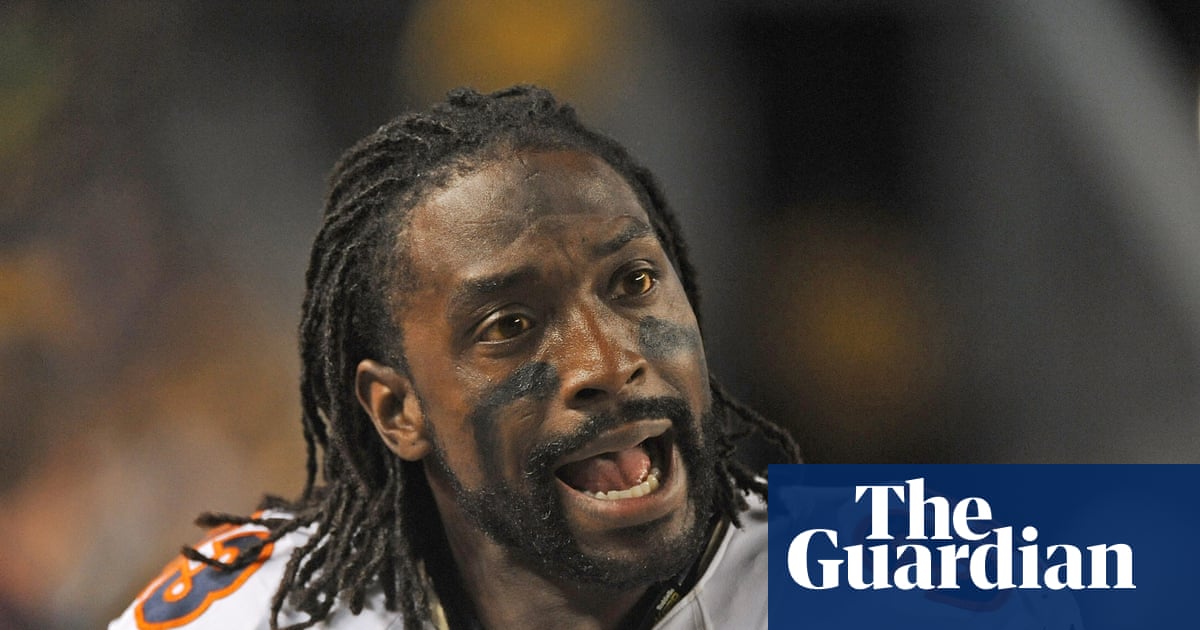
Defensive back Charles Tillman played 168 games for his hometown team Chicago Bears across 13 NFL seasons. Nicknamed âÂÂPeanutâ as a child by his mother, he became renowned for the Peanut Punch, where he would whack the ball out of the hands of unsuspecting receivers. After retiring from playing, he spent eight years in the FBI before quitting over the Trump administrationâÂÂs ICE policies and tactics. Now 45, he spent some of his summer in England, teaching flag football to kids in Liverpool.
You went to a dozen schools around the world as a child. Do you share your own experiences when you coach kids now? âÂÂAbsolutely. I share a great deal because it helped shape me into the person I am today. My dad being in the military and us moving around so much helped my personality. IâÂÂm very outgoing and a lot of that stems from my childhood, always being the new kid in school and having to make new friends. So, I talk about those experiences with the kids when it feels appropriate.âÂÂ
When you walked into a new classroom full of strangers did you have to force yourself to be extrovert? âÂÂNo, when I tried to make friends or meet new people, it came from a genuine place. I looked at it as another adventure: âÂÂOh, wow, IâÂÂve never been to this country or this state before. LetâÂÂs learn about northern California. LetâÂÂs learn about West Germany.â I had a chance to see different cultures and how people lived. âÂÂOK, this is what they do in Texas. This is how they do it in LouisianaâÂÂ. I was pretty well rounded. And it made me comfortable being around so many different cultures and ethnicities. I loved it.âÂÂ
HowâÂÂs your German? âÂÂNot good. When I lived there, I could speak a little, because they taught us it in school and I was young, so my brain retained it. The most German I see now is subtitles in a movie. I havenâÂÂt been to any of the NFL International Games in Germany yet. But IâÂÂve been to Toronto and Tottenham â and I played at Wembley!âÂÂ
In contrast to your nomadic childhood, youâÂÂve spent most of your adult life in Chicago. What kept you there? âÂÂThe food! And the people more than anything. When youâÂÂre in Soldier Field, and itâÂÂs freezing cold, six degrees Fahrenheit, theyâÂÂre third and two, and youâÂÂre on the goal-line and you look up in the stands, and you want our fans to scream and yell more â and they do â thereâÂÂs no greater feeling. That was why I stayed. I loved playing in Chicago. I loved our defence. I loved everything about the city. I love the history, that it was one of the original teams, but more importantly the people. We havenâÂÂt won any championship since 1985, but we still have some of the most loyal fans, and theyâÂÂre waiting. I canâÂÂt say patiently, but theyâÂÂre definitely waiting.âÂÂ
You seemed to go quickly from the NFL to the FBI. Did you prepare for that transition when you were still playing? âÂÂOnce I knew I was done playing, I knew the process would take a little bit of time, with background checks and all the polygraphs. So IâÂÂd been quietly preparing for my time in the FBI for about two years, just living my life. IâÂÂm not going to say âÂÂkeeping my nose cleanâ because I keep my nose clean every day. I didnâÂÂt have to do anything special or different. I just waited until I got a call to go to the academy.âÂÂ
You had earned a lot of money in the NFL so had the freedom to do what you wanted. âÂÂItâÂÂs a good feeling to have, but whether I had money or not, I just wanted to work. I was only 34 years old, which is far too young to retire. Sitting at home all day, doing nothing and playing golf didnâÂÂt really seem sexy to me. I wanted to work. ThatâÂÂs how IâÂÂm designed, how I conduct myself. So I just got a job like another normal person. It was a normal job, too, for the most part. It was a nine to five. It was just for the FBI.âÂÂ
Which was more exciting â the NFL or FBI? âÂÂWell, thereâÂÂs no greater job than the NFL. I loved my time in the FBI and itâÂÂs one of the greatest jobs IâÂÂve ever done. But the NFL is the NFL. ThereâÂÂs nothing that can compare to that. I enjoyed being in front of the camera playing football, but I also enjoyed being in the FBI, doing some pretty cool stuff. ItâÂÂs apples and oranges. They are totally different: one is flashy and in your face and all about making money, and in the other theyâÂÂll save your life and then just disappear. ThereâÂÂs no glory or nothing, itâÂÂs just thankless heroes.âÂÂ

Did you ever feel out of your depth or scared in either job? âÂÂI was nervous but never scared. We were well prepared and ready for it. When you start, I was like: âÂÂWhat did I get myself into?â But I always felt like I belonged in both jobs. I was good enough to be in both organisations.âÂÂ
YouâÂÂre now in England teaching kids a sport they may never have seen in the flesh. How is that? âÂÂItâÂÂs a challenge, but they have a lot of fun and, by the end of the day, theyâÂÂre very intrigued. Liverpool and the Bears have a pretty good relationship and itâÂÂs growing: there were more kids than last time I came. IâÂÂm helping them learn how to run a route, how to run the football after they catch it, how to throw. Flag football is the easiest way to get the premise of American football. My daughters play it and love it.âÂÂ
Everyone thinks NFL players are all giants but wide receivers and cornerbacks can be average-sized people. âÂÂTheyâÂÂre normal, but they do extraordinary things with their bodies. They can bend and turn corners and catch footballs that quarterbacks throw from 80 yards down the field. And they are incredibly fast. The beautiful thing is everybody can play flag football. You can be a big kid, a small kid, tall kid, short kid, heavier kid, a very light kid. I absolutely love that.âÂÂ
Does college football prepare players for the NFL â how do you cope with the leap in standard? âÂÂYou take the leap and accept the challenge. The really good players love to compete. I was excited, anxious, happy, nervous. YouâÂÂre a bunch of things at one time but, more importantly, youâÂÂre up for the challenge. I didnâÂÂt shy away from it and I didnâÂÂt mind asking older guys for help. One of my mottos is: youâÂÂre either green and growing or ripe and rotting. I wanted to keep growing and never stop learning. Each year, I got smarter. Some of it was just on my own, but a lot of it was from coaches and watching other players. If you ask for assistance, youâÂÂll get it from an NFL player. Guys donâÂÂt want to keep the secrets to themselves. They want to give you the knowledge. You just have to be willing to ask for help. âÂÂ
What do we not see from the outside as fans? âÂÂOne of my big strengths was mental focus, my ability to be dialled in. But I can remember some games when I just wasnâÂÂt in the right headspace. I was thinking about stuff at home, say, if one of my kids was sick. But I also had to perform my job on the field. Balancing the two was a challenge sometimes. For us athletes, life happens. People tend to forget that. Personal life plays such a big role in who we are as people, and you never want to bring it to work, but sometimes it affects your business. YouâÂÂre trying to wear two different hats but weâÂÂre human beings.âÂÂ