How the KopâÂÂs chants propelled Andy Burnham to fight for Hillsborough justice
A speech at Anfield in 2009 was met with boos but it led to a change in tack by Labour government and an apology from David Cameron
Since dawn, visitors from as far afield as Australia had been laying flowers, scarves and messages underneath AnfieldâÂÂs Eternal Flame. These Hillsborough memorial anniversary services were usually subdued and respectful affairs, with 10,000 mourners sitting on the Kop to give themselves and the families support on the most difficult of days.
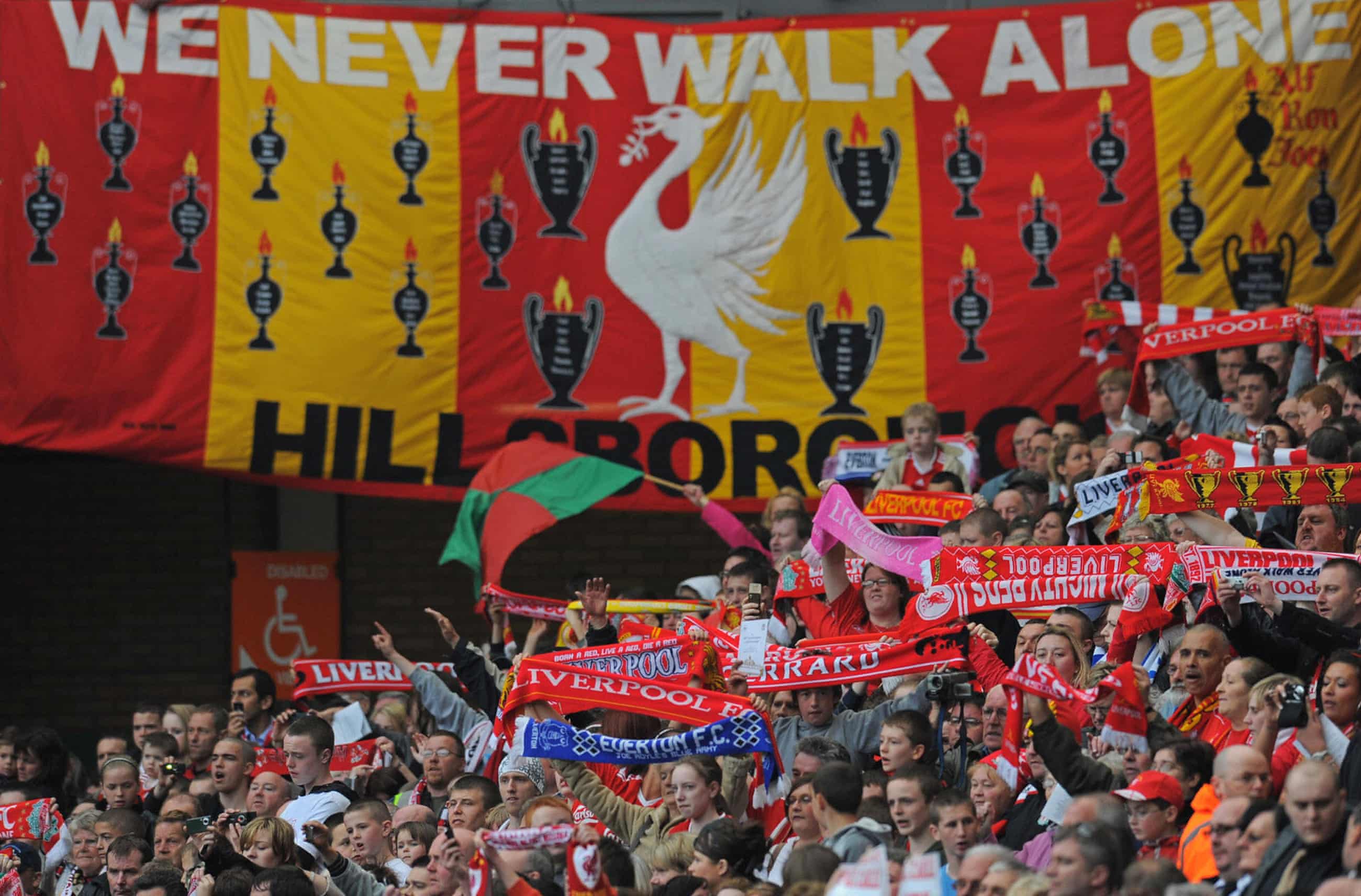
But on the afternoon of 15 April 2009, the 20th anniversary of the disaster, it felt different. There was an edge in the air. An hour before the service began the Kop was full and the numbers in the three other stands were starting to swell. By the time I had walked with the families from the meeting place in the Centenary Stand to our seats at the front of the Kop, 29,000 people inside Anfield stood to give them the loudest and most heartfelt of ovations. After two decades in which a new generation had been born and reached adulthood, the wounds of Hillsborough were still gaping, the anger still raw at the lack of admission of guilt from above.
The players of âÂÂ89, their furrowed brows and downcast expressions hinting at their inability to shed the mental scars they endured back then, when they were forced to turn from athletes into bereavement counsellors, took their seats behind us to warm applause. They were joined by the current stars, including Steven Gerrard, who lost his 10-year-old cousin Jon-Paul Gilhooley in the disaster, and Jamie Carragher.
After 20 years, youâÂÂd have thought all the crying had been done, but when 96 candles were lit in the Kop goalmouth and the names were read out by clergy, streams still flowed down the cheeks. You still felt a cold sweat and weak limbs at the two-minute silence broken only by babiesâ cries. Outside the ground where the cityâÂÂs buses, trains and ferries had come to a standstill, church bells signalled the end of the silence, a comforting sign to the families that the wider world had come to a halt to remember a day it should never forget.
Andy Burnham, scouse-born and Evertonian, who was then secretary of state for culture, media and sport, had controversially been invited to speak by Margaret Aspinall, whoâÂÂd lost her 18-year-old son James at Hillsborough and was by then chair of the Family Support Group. âÂÂWe had never allowed an MP to speak at the service because we hadnâÂÂt really had any meaningful support from any of them. But I wanted to give Andy a chance,â she told me.
Burnham agonised over whether to accept, knowing that Gordon BrownâÂÂs Labour government had nothing new to offer the families. But the man who, on the day of Hillsborough had been at Villa Park watching Everton play Norwich in the other FA Cup semi-final, knew he would never forgive himself if he bottled out of giving a speech. His main worry was whether he could get through it without breaking down. He was right to feel worried as he stood before an emotionally charged Kop that day because there was a strong sense of betrayal from a Labour government that had been in power for 12 of the 20 years since the disaster and had done nothing to facilitate calls to unearth the truth.

Burnham started well. When he told the Kop that BritainâÂÂs worst sporting disaster was âÂÂman-madeâ and praised the actions of the fans that day, he received nods of approval and a ripple of applause. But when he said he brought a message from the prime minister that the victims would never be forgotten, for the first time ever at one of these memorial services pockets of the Kop began to boo and jeer, there was a shout of âÂÂWhen do we get justice?â and a scream of âÂÂHypocrite.â It shocked us all and stopped Burnham in his tracks. He looked startled and tongue-tied and stared nervously at the Kop, unsure what to say for the best. Which was when, from the back of the Kop, a chant of âÂÂJustice for the 96â broke out, which quickly spread across the rest of the stand and the entirety of Anfield. The message was simple: words are easy, actions hard. You are a senior member of a Labour government which has ruled out the possibility of a fresh inquiry into Hillsborough. DonâÂÂt patronise us with easy soundbites. Because you not only insult the living, you insult the dead.
Wisely, Burnham nodded at the Kop with an âÂÂI get itâ expression. Margaret Aspinall, who was sitting directly in front of him, told me: âÂÂI was on eggshells throughout AndyâÂÂs speech. When the Kop began chanting for justice our former chairman Trevor Hicks looked at me as if to say: âÂÂWhat have you done, Margaret? LetâÂÂs say something.â But I thought: âÂÂNo, let them carry on, donâÂÂt say anything. Let the Kop tell the government and the country how angry we all feel.âÂÂâ Her instincts were right. The dramatic scene of a cabinet minister being barracked during a memorial service led every news bulletin for the rest of the day and made every front page the next.
Burnham later told me: âÂÂWhen the first justice chants rolled off the Kop, I was not surprised, as I half-expected them. And, actually, I wanted the country to hear them. The people on the Kop that day were right to barrack me. I donâÂÂt hold anything against anyone who shouted at me. It helped me find the political courage to do something.â He urged Gordon Brown to heed the KopâÂÂs calls and despite some cabinet opposition the prime minister backed him. By the end of 2009 a Hillsborough Independent Panel had been set up, appointing experts to scrutinise hundreds of thousands of unseen documents relating to the disaster. Its final report in 2012 highlighted a litany of calamitous mistakes by police and emergency services, showed how dozens of lives could have been saved and revealed a massive cover-up. Tory prime minister David Cameron had to give a grovelling apology to the families and to Liverpool fans from the floor of the Commons, the original inquest verdicts of âÂÂaccidental deathâ were quashed, and new inquests put in place. In 2016 they would return 96 verdicts of âÂÂunlawful killingâ and exonerate the fans of all blame.
âÂÂWe would never, ever have got the verdicts of âÂÂunlawful killingâ without the support of the Kop,â said Margaret Aspinall. âÂÂThe fans played a vital part over the years in supporting us and getting accountability. But the turning point definitely came when those chants of âÂÂjusticeâ came at Andy Burnham. That day the Kop changed everything.âÂÂ

Five years later Burnham was invited to address the 25th anniversary service. This time it wasnâÂÂt snarls, boos and chants of âÂÂhypocriteâ he faced on the Kop but a banner that read âÂÂThank You, Andy BurnhamâÂÂ. He told them: âÂÂFive years ago things changed, not because of me but because of all of you. You made your voices heard and thank God you did. Your voices carried off this Kop into every living room in the land and into the heart of the establishment. I knew you were right and they were wrong. With that chant of âÂÂjusticeâ the dam burst. You were asking the most profound question about our country and how it is run. How can it be that an entire city shouted injustice for 20 years and no one was listening? There is still an uncertain road ahead but the country is with you now. The families will prevail because of all of you. You have made this city stronger and you will make our country fairer. You have given hope to people the world over. What was your call five years ago is my call today; justice for the 96.âÂÂ
This is an extract from The Kop: A FanâÂÂs History of FootballâÂÂs Most Famous Stand by Brian Reade (Quercus, ã25). To support the Guardian, order your copy at guardianbookshop.com. Delivery charges may apply