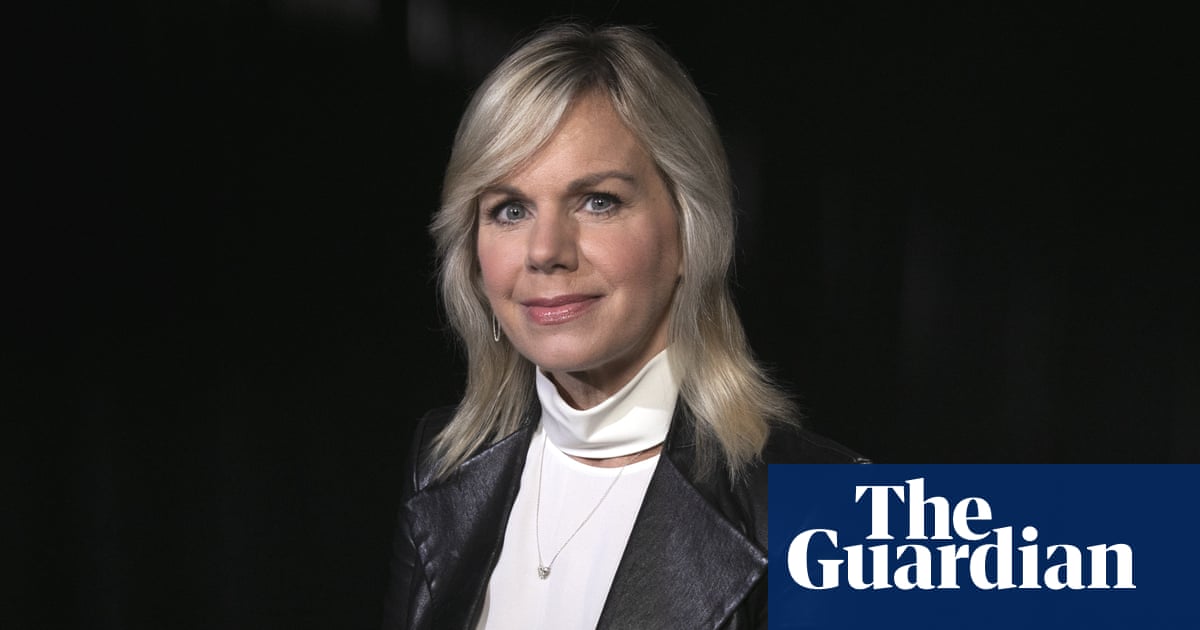

Gretchen Carlson on press under Trump: âÂÂItâÂÂs my hope journalists will start speaking upâÂÂ
In an interview before the White HouseâÂÂs media ban, Carlson called on reporters to push back against TrumpâÂÂs misogyny
Donald Trump has achieved something rarely seen in Washington: uniting rival television networks against him. When he banned CNN and MS Now â along with Politico â from the White House, their competitors suspended shared coverage of the US presidentâÂÂs events.
Gretchen Carlson, a journalist, author and former Fox News host, hopes this will not be the only example of solidarity from a White House press corps facing what she describes as an âÂÂoutright onslaughtâ from the administration.
In a phone interview with the Guardian before the media ban news, Carlson, 60, called on reporters to push back against TrumpâÂÂs brazen misogyny, which has included calling female reporters âÂÂstupidâÂÂ, âÂÂpiggyâÂÂ, âÂÂincompetentâ and âÂÂa horrible personâÂÂ.
âÂÂThatâÂÂs highly offensive to any human being, much less journalists whose job it is to cover the president with respect and dignity,â said the cofounder of Lift Our Voices, a non-profit that aims to end the silencing of voices in the workplace. âÂÂTo be called those kinds of names and still have to maintain your composure and do your job is something that no journalist should have to endure.âÂÂ
She called for solidarity across the White House press corps in response to the presidentâÂÂs sexist insults.

âÂÂItâÂÂs my hope that other journalists will start speaking up when that happens and repeat the question that was asked because it likely wasnâÂÂt a stupid question,â she says. âÂÂIt was likely an appropriate question that many Americans want the answer to like, when will the Iran war end? My hope is that the questions will be asked until they are answered and that itâÂÂs not just from the one whoâÂÂs attacked.âÂÂ
Carlson also urges the media to take a more robust approach with Trump despite the risks of being barred in the future. âÂÂItâÂÂs also my hope that journalists will say, you canâÂÂt speak to people that way. Now, IâÂÂm not naive, I understand thereâÂÂs a conundrum here for journalists, because this is all about access to the President of the United States and access to this administration. If you speak up and cross this president, heâÂÂll come after you.
âÂÂBut we have to find a happy medium here because the end result is allowing this to continue is the promulgation of misogyny in our society. âÂÂ
One potential barrier to collective action is an influx of âÂÂMagaâ media outlets, ever ready to ask the president favourable questions and unlikely to speak up on behalf of âÂÂmainstream mediaâ colleagues. The president can call them at any moment to blunt the momentum of the questions coming his way.
Carlson acknowledges the point but responds: âÂÂThereâÂÂs still plenty of other journalists who might. There is the White House Correspondentsâ Association. They were able to plan a second dinner after the assassination attempt so they could certainly come together and decide that theyâÂÂre going to have a certain reaction to those kinds of attacks.
âÂÂWhen you get attacked like that and another reporter just goes on to the next question, it makes it look like thereâÂÂs nothing wrong and so if youâÂÂre watching this press conference, you normalise that then, and youâÂÂre like, oh, I guess thatâÂÂs how we should treat everyone.
âÂÂItâÂÂs damaging to young men about how they can treat women and young women about how they feel they should be treated. WeâÂÂve been trying to raise up our young women for generations and weâÂÂre doing a great job of it and now, all of a sudden, you can just treat women like this and nobody says anything?âÂÂ
As if channeling the 1960s-set TV drama Mad Men, Trump has repeatedly singled out Kaitlan Collins, the chief White House correspondent of CNN, complaining: âÂÂI donâÂÂt think IâÂÂve ever seen a smile on your face.â Carlson notes it is not the kind of comment he would ever make to a man.
âÂÂAsk any woman on the street how many times have you been told in your life you need to smile more. Barf. I mean, really? WeâÂÂve all heard that before: put a smile on your face and just go out there and deal with it. No. ThatâÂÂs like, you go in to negotiate for higher pay, the man just asks for it, the woman has to put a smile on her face in order to get it. It is such an old school way of looking at the different gender types and the way in which we respond to a request if itâÂÂs by a man or a woman.âÂÂ
Carlson rejects the implication that women in media should maintain a happy demeanour when asking tough questions about conflict, economic strife or foreign policy. âÂÂSheâÂÂs not supposed to be smiling when sheâÂÂs asking tough questions of the president of the United States.
âÂÂYouâÂÂre not supposed to be smiling when youâÂÂre out as a journalist covering a triple murder or raging wildfire. ThereâÂÂs plenty going on in America right now where we donâÂÂt need to smile about it â high gas prices, high grocery prices, the Iran war, tariffs.
It is almost 10 years since Trump was first elected. It is also 10 years since Carlson sued Roger Ailes, then the chief executive and chairman of Fox News, for sexual harassment. In the following weeks more than 20 other women came forward with allegations that Ailes had abused them. The #MeToo movement, raising awareness of sexual misconduct by men, was in the ascendancy.
Despite the regression personified by Trump, Carlson sees evidence of progress in unexpected places â notably in the Capitol Hill campaign surrounding the disclosure of files relating to Jeffrey Epstein, who exploited and trafficked underage girls. The effort produced an unusual alignment between Democrats and Republicans, demonstrating that survivor advocacy can break through.
âÂÂIt was an amazing bipartisan movement,â Carlson notes, citing Democrat Ro Khanna and Republicans Thomas Massie, Marjorie Taylor Greene, Lauren Boebert, and Nancy Mace.
For Carlson, the driver of this breakthrough is a fundamental shift in public opinion. A decade ago, she contends, victims of high-profile abuse were routinely dismissed or discredited. Today the baseline has changed.
âÂÂThe most credit goes to the survivors because they keep pushing forward,â she says. âÂÂA lot of times people say to me that the #MeToo movement is in a downward spiral because weâÂÂre still not getting all the files released and people arenâÂÂt being held accountable. But I look at this as a leader in this movement and say we have to look at the progress.
âÂÂPeople actually believe the Epstein survivors now. Ten years ago, they would not have believed them. Every time they come to the Hill and hold a press conference, they take the power right back.âÂÂ
Despite the rise of the âÂÂmanosphereâÂÂ, âÂÂtrad wivesâ and a tsunami of online misogyny, Carlson rejects the narrative that the movement against workplace abuse has stalled or been defeated by reactionary cultural backlash.
âÂÂItâÂÂs very easy to say the #MeToo movement is dead when you look at all the negative stuff,â she admits. âÂÂIâÂÂm not naive enough to say that everything is perfect right nowâÂÂitâÂÂs not. But movements ebb and flow. If you look at any major cultural movement, whether it was the civil rights movement or women getting the right to vote, these things did not happen overnight. There were many ups and downs.âÂÂ
Carlson points to legislative milestones that have altered employment law across the US. Through Lift Our Voices, she spearheaded the passage of two pieces of federal legislation in 2022 that curtailed forced arbitration clauses, preventing corporations from hiding systemic abuse behind secret, binding proceedings.
âÂÂPeople ask me every single day: how did you do that?â Carlson reflects. âÂÂThese are the kinds of things we have to focus on. Yes, there are blips along the way and hurdles to overcome, but we have to keep pushing forward. There have been laws passed, and state laws passed banning non-disclosure agreements (NDAs) completely for these types of things.âÂÂ
Her focus remains the total elimination of contractual silencing mechanisms â such as non-disclosure agreements and non-disparagement clauses â that allow toxic workplace cultures to persist in secret.
Carlson insists that workplace safety and anti-silencing reform must remain strictly non-partisan. When high-profile misconduct allegations surfaced surrounding Democratic candidate Graham Platner in Maine, Carlson condemned attempts by some Democrats to shield their own candidates from accountability.
âÂÂThere is no room for hypocrisy with regard to this kind of behaviour, and the American public is onto this,â she asserts. âÂÂThe idea that you want to not call out this behaviour because itâÂÂs a Democratic candidate and youâÂÂre a Democrat is wrong â and the same thing on the flip side.âÂÂ
At Lift Our Voices, the rule is evaluate the conduct, ignore the party label, she says. âÂÂWe believe women and we take politics out of it. By the way, itâÂÂs been proven all across the board that politics has nothing to do with sexual harassment or sexual assault.
âÂÂBefore somebody decides to do either of those to you, they donâÂÂt ask you what party youâÂÂre in. They donâÂÂt care. This is about power.âÂÂ