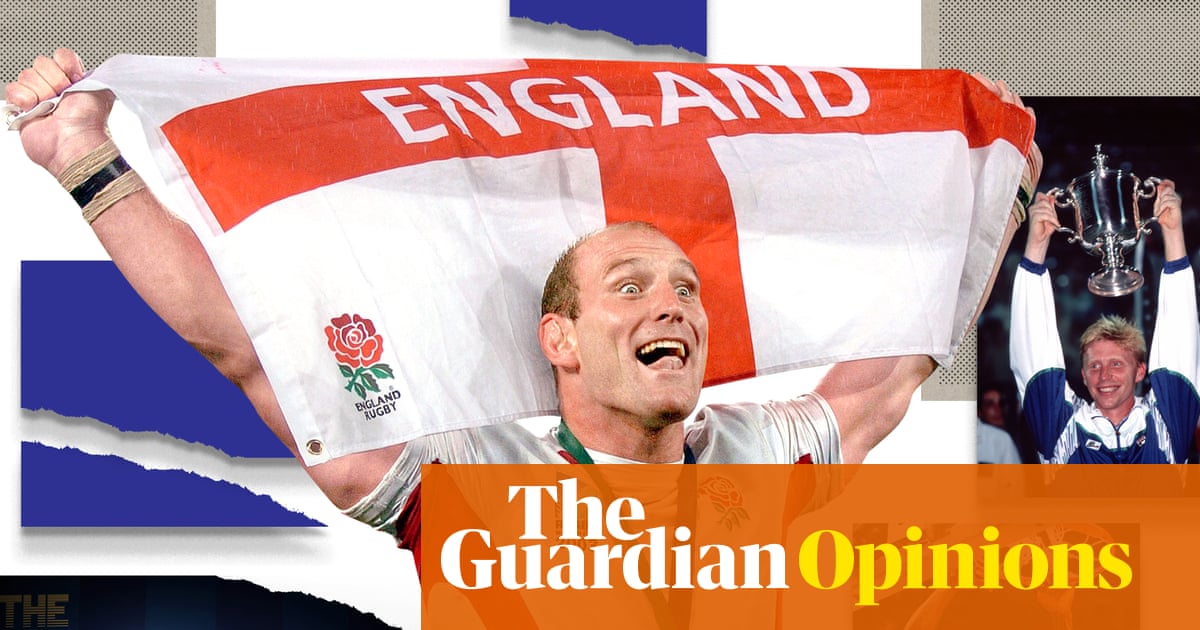

From DallaglioâÂÂs medals to CantonaâÂÂs shorts, sporting memorabilia is big business

Like transfer fees and ticket prices, mementoes are one more marker of sportâÂÂs rampant self-inflation
The auctioneer cradled his gavel in his palm like a pipe, the handle pointing towards him. It gave his patter the air of a Victorian gentleman holding forth by the mantelpiece in a period drama. âÂÂAre you bidding, Wilf? YouâÂÂre waving at me.â Under the hammer was a Barclays Manager of the Month trophy, complete with travel case, but no indication of which Premier League luminary once owned it. It outstripped its estimate and sold for ã700.
An hour and a half into what Budds auction house dubbed its âÂÂOctoberfestâ of sporting memorabilia, David Convery at the podium showed no sign of fatigue, save the occasional swig from a water bottle. There were 332 lots in total; Convery regularly manages sales with twice as many. In his three decades as an auctioneer heâÂÂs even secured some world-record prices, from the oldest surviving FA Cup to PeléâÂÂs 1970 World Cup final shirt.
But sporting collectibles have never been bigger business than now. This week a jersey worn by Michael Jordan in the second game of the 1998 NBA finals â his âÂÂLast Danceâ season for the Chicago Bulls â sold for over ã10m, the kind of sum that might otherwise buy you a Mayfair townhouse. It was unprecedented in basketball but only just â two weeks previously, the jersey Jordan wore in game three had gone for ã9.3m. And that had broken the record set by â you better believe it â JordanâÂÂs game one jersey, which SothebyâÂÂs sold in 2022.

Last weekâÂÂs Budds catalogue was never going to reach those heights but it still contained some star items. Almost all were the property of Lawrence Dallaglio, the former England rugby union captain, declared bankrupt a year ago and now treading the well-worn path of sportspeople forced to sell their mementoes of the glory days. Seven years ago Boris Becker raised nearly ã700,000 by selling trophies he had amassed, including a replica of the US Open trophy he won against Ivan Lendl in 1989. Unfortunately in his case it wasnâÂÂt enough to prevent further trouble with the taxman.
Running an auction is like writing a set list â you canâÂÂt just start with your biggest numbers, you have to warm up the audience, build to the good stuff. Diane ModahlâÂÂs leotard from the 1998 Commonwealth Games proved, somewhat ironically, a false start; no takers, even at ã50 and with the 800m runnerâÂÂs spikes and signature thrown in. A ã5 note autographed by Jack Nicklaus did considerably better, and gradually the ephemera â signed prints, photos and programmes â gave way to more substantial stuff, like cricket caps and blazers from the days when England still wore the MCCâÂÂs colours and crest overseas.
Admittedly, those postwar names are out of vogue now: still, it was a surprise to discover you could pick up one of Trevor BaileyâÂÂs touring blazers for less than youâÂÂd pay for a decent new one at John Lewis. Or that Paul StirlingâÂÂs Ireland T20 shirt is worth more than a pair of Godfrey EvansâÂÂs wicketkeeping gloves.

DallaglioâÂÂs collection, when it arrived, was one for the bigger spenders. A set of tankards sold for ã1,600 â perhaps to a rugby fan who knows he can never emulate the former England captain on the pitch but likes the idea of matching him at the bar. His 2003 World Cup winnerâÂÂs medal was the prize item. It went for ã54,000, near the bottom of its estimate, yet even more poignant was the rapacious flurry of bids on his England and Lions caps, with their old-fashioned gold braid and tassel, and individual numbers stitched on the peak. As Convery himself said, itâÂÂs rare for such items to make it to market.
Still, no time for sentiment at an auction. The lots marched on, relentlessly, from the sublime to the ridiculous: Harry Kane shirts, Eric CantonaâÂÂs shorts, and the coffee table Des Lynam presided over in the BBC television studio at the 1998 Fifa World Cup. Whether Robbie Williams, its previous owner, was a careful one was not disclosed, but the added stardust fuelled a transatlantic contest between the UK and the US, with Blighty ultimately triumphing for ã800.
The US has always valued both on- and off-field artefacts â witness its trading card tradition, or the brawls in the bleachers when a baseball is hit straight into the stands. The jersey that Babe Ruth wore when he hit his âÂÂcalled shotâ against the Chicago Cubs in the 1932 World Series â arguably the most legendary moment in his storied career â remains the most expensive item of sports memorabilia ever, having sold for over ã18m in 2024. But globalisation â and, needless to say, the internet â has transformed the market in the past two decades.

Nowhere is that better seen than the price surge in game-worn soccer shirts: the most iconic are now bought by billionaires with the same eye for appreciation as for a Picasso or a Van Gogh. The aerial backpass that enabled Diego MaradonaâÂÂs Hand of God goal may have been Steve HodgeâÂÂs nadir in an England shirt, but swapping that shirt for MaradonaâÂÂs No 10 when the final whistle blew was a brilliant midfield manoeuvre. Four years ago, an anonymous buyer paid over ã7m for it. Six of Lionel MessiâÂÂs Argentina shirts, meanwhile, recently proved to be worth more than the entire turnover of his own clothing line.
Perhaps â like transfer fees and ticket prices â this is just one more marker of sportâÂÂs rampant self-inflation. Its move from the immeasurable, nonsensical passions of traditional fandom to the hard metallic truths of the trading floor. After three hours, the auctioneer was still going strong, his mesmeric rat-a-tat punctuated by the soft digital ding every time the website registered a sale. And I was as helplessly hooked as a TikTok-scrolling teenager.