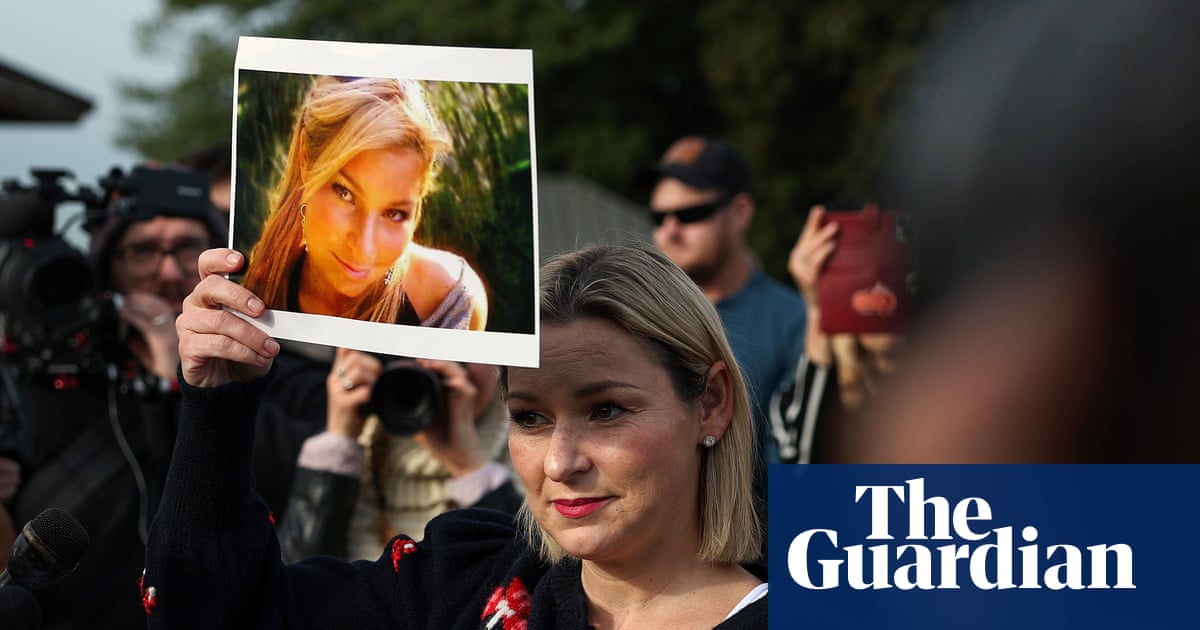

Epstein survivors struggle financially as they continue to heal their wounds: âÂÂIt doesnâÂÂt just go awayâÂÂ
Legislation proposed by House Democrats aims to address survivorsâ financial and medical burdens
Danielle Bensky wants a typical life.
âÂÂI would just love to own a house one day and have a dog,â said Bensky, who is among the Jeffrey Epstein survivors advocating for accountability. âÂÂI think thatâÂÂs the dream â literally just to have a normal existence where weâÂÂre not trying to fight the government and constantly be facing our own abuse.âÂÂ
For Bensky and many other survivors of the convicted sex trafficker, the simple dreams enjoyed by so many Americans remain out of reach. In addition to the psychological and physical toll of sexual trauma, some Epstein victims face extreme financial pressures related to their pursuit of justice for the well-connected predator.
âÂÂRight now, I am uninsured,â Bensky said.
Bensky has received coverage for mental health treatment because of a settlement between an investment bank and US Virgin Island authorities that led to the creation of a mental health fund. But there are many other costs associated with healing, she said.
Physical therapy for a post-traumatic injury costs approximately $200 per visit, she said. Bensky knows she should go more than twice per month, âÂÂbut I canâÂÂt afford it,â she said. The yoga that helps keep Bensky centered comes to about $250 monthly.
âÂÂIâÂÂve been doing all this advocacy for the year, and IâÂÂve had to take time off from work,â Bensky said, explaining she has now hit roadblocks in securing work due to her advocacy. âÂÂThere are certain places that wonâÂÂt even hire some of us now because theyâÂÂre saying that weâÂÂre âÂÂtoo politicalâÂÂ.âÂÂ
âÂÂIâÂÂm paying for everything out of pocket,â Bensky said about healthcare.
Congressional Democrats Ayanna Pressley, Teresa Leger Fernández and Deborah Ross this week introduced legislation to address survivorsâ financial burdens. This proposed legislation seeks to launch a restitution fund in the judicial branch âÂÂfor survivors of sexual violence whose rights were violated by the federal government, including all survivors of abuse by Jeffrey Epstein and Ghislaine MaxwellâÂÂ.
âÂÂThough it often goes overlooked or ignored, the deep financial burden that survivors of sexual violence carry â coupled with mental and physical trauma â can be debilitating. Navigating such harm can lead to time away from work or the need to leave a job entirely, resulting in a loss in income while rent is due, daily needs have to be met, and medical expenses to address physical injury and mental health support pile up,â Pressley said in a statement. âÂÂThe Survivorsâ Rights Restitution Act shines a light on this critical gap in support for survivors and would force our government to bring the meaningful accountability and compensation that survivors are owed.âÂÂ
Many survivors support this initiative, but the likelihood of it passing both chambers of Congress and securing Donald TrumpâÂÂs signature seems unlikely in the near future given heightened partisanship and geopolitical distractions. As a result, an initiative for steadier financial footing is poised more to be a long-term prospect rather than immediate relief.
Jess Michaels said that her financial future was derailed after Epstein assaulted her. She had flourished as a professional dancer but the attack left her unable to pursue work.
âÂÂI would go into auditions and I would lose my nerve,â Michaels said. âÂÂI would be unable to finish an audition. I would be unable to go to auditions because I would be stuck in bed, frozen or crying, and that lasted throughout my 20s.âÂÂ
âÂÂThe career that I had worked for collapsed ⦠What does that end up costing someone?â Michaels said. She noted that for much of the time, âÂÂit meant I didnâÂÂt even have insuranceâÂÂ.
âÂÂSexual harm is an injury that demands first aid care, just like any other injury, before it is a crime demanding an interrogation,â Michaels said. She said she has for years been dealing with physical ailments related to nervous system harm.
âÂÂThatâÂÂs why I am someone that deals with gastrointestinal issues, cardiovascular issues, immune system issues, endocrine issues, endocrine system issues,â she said. âÂÂThereâÂÂs something that happens when you have PTSD for a long period of time. It doesnâÂÂt just go away.âÂÂ
If the bill passes, Michaels wants to spend money on her health which, she said, had deteriorated over the past year amid the stresses of advocacy. Even though Michaels has health insurance, âÂÂa functional medicine doctor that actually understands what IâÂÂm going through is expensive, and itâÂÂs often not covered by insuranceâÂÂ.
âÂÂRight now I canâÂÂt afford to get the exact type of doctor that I really need,â she said. âÂÂI have to wing it with AI, my [primary care provider], my insurance company, and IâÂÂm navigating all of those things, which is exhausting all on its own.âÂÂ
Annie Farmer, an outspoken Epstein survivor who testified against his accomplice Ghislaine Maxwell at the British socialiteâÂÂs 2021 trial, is now able to receive money for therapy from the Virgin Islands mental health fund. But from 2019 until the near-present, Farmer spent âÂÂmany thousandsâ of dollars on therapy.
Farmer said that her she has not been working this year because her advocacy âÂÂhas taken over my lifeâÂÂ.
âÂÂThatâÂÂs obviously a choice I made. I could have kept working and not really been so involved in all the advocacy, but I think it would have been hard to do both in the way at the level IâÂÂve been involved,â Farmer said. âÂÂI couldnâÂÂt work full-time, certainly, so thereâÂÂs a cost to that.âÂÂ
Farmer felt as if she had the flexibility to make that choice because she received funds from the Epstein compensation and mental health funds, but said some others are not in that position. âÂÂIâÂÂve been able to do this and still be OK and be comfortable, but I think for people that either havenâÂÂt received those funds or received significantly less, it is that much more stressful.âÂÂ
Survivors praised World Without Exploitation, an organization dedicated to ending commercial sexual exploitation, for financial assistance with advocacy. But, they said, the cost of participating in advocacy remains steep even with assistance.
âÂÂIâÂÂve paid a lot of money to be able to be an advocate this year,â Bensky said. âÂÂI paid to get myself to the State of the Union [address]. I paid yesterday to go and speak at Ayana PressleyâÂÂs press conference.âÂÂ
âÂÂThe advocacy component of this is so important, and it feels very crucial to many of us,â Bensky said. âÂÂSo we will always pay to get ourselves there in the name of trying to make it safer and make change.âÂÂ
Michaels said there are costs associated with advocacy even when her travel expenses are covered in full; outside costs, such as dog sitting, could add up to $175 to $200 per day.
âÂÂPeople go, âÂÂOh, you chose to do it,â but whoâÂÂs going to do it for us?â Michaels said. âÂÂNobodyâÂÂs going to do it for us, and nobody can really do it for us.âÂÂ
âÂÂSome victims received very little, while others received a lot. The amount of money received depended on the severity of the abuse and how the abuse affected the survivor,â Spencer Kuvin, chief legal officer of Goldlaw, who has represented multiple Epstein survivors. âÂÂSome survivors received tens of thousands while others received millions.âÂÂ
Michaels disabused any potential skeptics who might think that participation in the fund automatically meant a lifelong windfall. Similar sexual assault cases that didnâÂÂt relate to Epstein, Michaelsâ attorney said, might result in settlements up to $2.5m. âÂÂI got a fraction of a fraction of a fraction of that.âÂÂ
Julie Roginsky, who pursued a sexual harassment claim against the former Fox News CEO Roger Ailes and co-launched the non-profit Lift Our Voices, said that many do not understand the long-term ramifications for survivors â even those who have been lauded for their bravery.
âÂÂAfter that applause dies down, youâÂÂre lying in bed at night at 2 oâÂÂclock in the morning, looking at the ceiling and wondering: what the hell just happened to my life? ItâÂÂs been completely turned upside down,â Roginsky said. In a high-profile case such as with Epstein, barriers to work are not atypical.
âÂÂThat is incredibly debilitating to know that you did the right thing, you spoke up for yourself and for other women, and itâÂÂs following you for the rest of your life â not just because of what happened to you, but also because people now refuse to give you a chance professionally,â she added.
When survivors come to Roginsky or her colleagues with questions about coming forward, she always tells them that itâÂÂs a personal decision because there are ramifications that can be âÂÂbrutalâÂÂ.
âÂÂI absolutely encourage people to come forward for themselves and to hold their perpetrators accountable and to help others, but at the same time, there is a huge cost to that,â Roginsky said.