
âÂÂElonvilleâÂÂ: Mississippi residents say MuskâÂÂs xAI is buying up homes if they donâÂÂt sue over noise
Several homes have been purchased near datacenters and one resident said realtor outlined target to buy more than 400
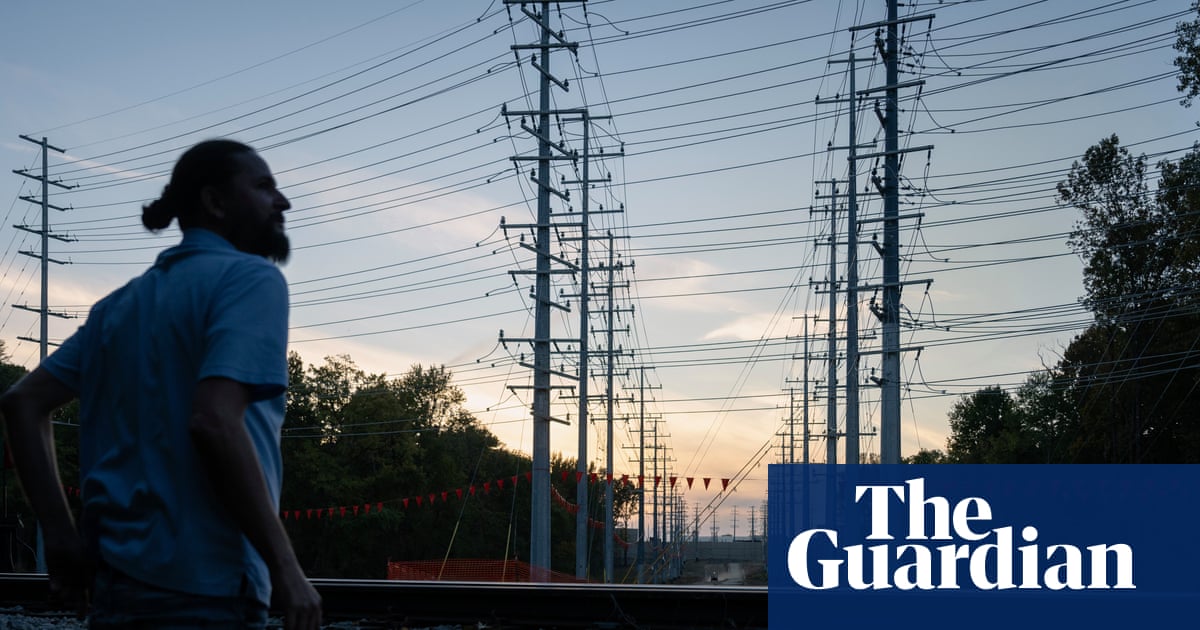
People in a Mississippi neighborhood, many of whom dislike a nearby power plant central to Elon MuskâÂÂs artificial intelligence ambitions, have received a stark offer â to sell their houses to his company and make way.
Real estate agents have been going door to door in Southaven, Mississippi, on behalf of xAI, MuskâÂÂs AI company that was folded into the SpaceX entity in February, touting a deal to purchase houses as long as the owners agree to not join a lawsuit against the company over the power plantâÂÂs noise.
This plan could potentially swallow up almost the entire neighborhood of Colonial Hills, on the western flank of Southaven. A realtor told one resident there is a target to purchase 418 homes, with 18 homeowners already agreeing to sell, according to a recording of a conversation heard by the Guardian. xAI did not respond to questions over these numbers and its plans for the neighborhood and has previously said it intends to be be a good neighbor; it denies all claims in the noise lawsuit.
The homes, the realtor and the local mayor say, will house xAI staff as the company continues its explosive expansion in the area, with three of its datacenters springing up in Southaven and adjoining Memphis, Tennessee, in just the past two years. This frantic pace, and the all-hours noise from gas turbines installed without permits to power the datacenters, has dismayed some locals.
âÂÂIt sounds like an airplane engine but itâÂÂs continuous, itâÂÂs incredibly loud,â said Elizabeth Rose, a piano teacher, of the xAI site which sits about two miles from her home. âÂÂIâÂÂve been woken up at 2am by it, IâÂÂve been woken up at 3am by it. I sometimes have to just get away from it because it makes me so angry.âÂÂ
Rose said she was shocked when the power plant, a former Duke Energy site housing 69 temporary gas turbines to feed the new datacenters, began its low-level growl in August last year. âÂÂAll of a sudden there was a plant there,â she said. âÂÂAnd now I get the feeling they are trying to expand the buyout to the entire neighborhood. It will become Elon MuskâÂÂs little playground, basically. Elonville.âÂÂ

The market value offers for these homes, in an area where the average house price is about $180,000, is a comparatively small outlay in creating the worldâÂÂs largest cluster of AI supercomputers as envisioned by Musk, a technologist who is the worldâÂÂs richest person and a major Republican donor.
Since July 2024, xAI has constructed three vast datacenters â called Colossus I, Colossus II and Macrohardrr â in the Memphis and Southaven conurbation, which sprawls across TennesseeâÂÂs border with Mississippi. Musk is currently spending up to four nights a week in an Airstream trailer in the Memphis area as he personally oversees the build-out of the datacenters to further develop the Grok AI chatbot.
âÂÂWeâÂÂre seeing the fastest growth IâÂÂve ever seen in my life for Grok bot,â Musk said during a SpaceX earnings call this month. âÂÂIâÂÂve never seen anything grow this fast.âÂÂ
Musk has spent around half a billion dollars helping elect Republicans in the last two election cycles and his zeal for datacenters is shared by Donald Trump, who has said anyone who opposes such development will become âÂÂbackwards and poorâÂÂ.
As is common in the broader grassroots backlash against datacenters, however, some residents in Southaven say they have been trampled upon in this gold rush. Three locals, anguished by the din of expansion, filed a lawsuit in June complaining of âÂÂnear-constant noise, vibrations and other nuisance-level harmsâ from the nearby xAI power plant.
Jason Haley, one of the three plaintiffs, said he never considered himself an activist or political in any way but has been driven to distraction by the noise of the gas turbines that sit about half a mile from his home, which he has owned for the past 20 years.
âÂÂThereâÂÂs a high-pitched hum and then another sound like an airplane over your house,â he said. âÂÂItâÂÂs been so torturous I canâÂÂt sleep, I just leave the house or turn on some music until I fall asleep completely exhausted. It drives you insane. You also lose hope because youâÂÂre being ignored or dismissed. ThereâÂÂs no escape.âÂÂ
Exasperated by fruitless exchanges with SouthavenâÂÂs mayor and enraged by Tate Reeves, the Republican, pro-AI Mississippi governor, claiming that a curb on datacenters are âÂÂsurrendering the future of technology to ChinaâÂÂ, Haley lodged the lawsuit and started posting videos on social media of himself monitoring the rumbling noise levels.

âÂÂI thought IâÂÂd make some noise of my own because of this bullshit,â said Haley. âÂÂI didnâÂÂt know anything about Elon, still donâÂÂt know the man. But our governor saying I donâÂÂt love America because I donâÂÂt like being tortured by noise? That is just asinine and ignorant. WeâÂÂve got to hold people accountable when they are harming other people, I donâÂÂt care who you voted for, who you pray for or who your favorite team is.âÂÂ
The allegations of heedless noise are denied by xAI, which has previously said that âÂÂwe care deeply about being good neighborsâ and has varied its power output and built sound-dampening walls. In a letter handed to nearby residents in Colonial Hills, MZX, the xAI subsidiary that operates the site, states that it âÂÂrequires property for its business purposesâ and is prepared to buy nearby houses with a contractual condition â that they do not join HaleyâÂÂs class action lawsuit.
This offer is starting to see results. Since 9 October, five neighborhood homes have been bought by MZX, according to DeSoto county records. Gavin Foust, who lives near Haley and said his elderly neighbors have just agreed to sell, predicts more will follow.
âÂÂThey are ideal neighbors and planned to live their rest of their lives in that house but they want to get out of Dodge now because they donâÂÂt want to be bothered by these turbines,â said Foust, who added he wonâÂÂt accept the offer himself due to its requirement not to sue.
âÂÂMy hearing was damaged when I was in the army but I can still hear this thing, itâÂÂs like a jet engine. Why would you put it in a city? Why push people out? ItâÂÂs reckless and shameful.âÂÂ
Foust, a paramedic, grew up in the unassuming western reaches of Southaven, a district filled with affordable, 1960s homes and quiet, close-knit communities. This serenity has been upended by the noise from the xAI power plant, he said, as well as its air pollution.
Dozens of temporary, truck-sized gas turbines have been running at the xAI premises without permits required by federal law, the US Environmental Protection Agency has determined. The EPA has also said the permit requirements are a matter for the state to enforce.

While no on-site air pollution monitoring has been done, the Southern Environmental Law Center estimated the toxic emissions from these turbines, which are typically highly polluting, have caused $44m in annual health costs.
In April, environmental groups and the National Association for the Advancement of Colored People (NAACP) sued in federal court to stop use of the turbines, only for the US Department of Justice to unsuccessfully try to block the lawsuit by arguing xAI technology has been used to wage war on Iran and is therefore required for national security reasons.
âÂÂItâÂÂs been pretty shady from the get-go,â said Foust. âÂÂA lot of people in this neighborhood suffer from conditions exacerbated by all the nitrogen oxide, formaldehyde and other garbage put out by these turbines. For kids with asthma or elderly people with COPD [chronic obstructive pulmonary disease] itâÂÂs a mess all round. ItâÂÂs pretty frustrating.âÂÂ
In July, xAI agreed with state regulators to transform the power plant into a newer, permanent gas-fired facility by next summer, which should lessen the noise coming from the temporary turbines. Given the companyâÂÂs repeated use of gas turbines without a federal permit and separate fines it may face for storm water violations, though, opponents remain wary.
âÂÂIâÂÂve had hopes all along that havenâÂÂt come through,â said Haley. âÂÂThe same company said it wasnâÂÂt polluting the air. IâÂÂm still hopeful but IâÂÂm not confident.âÂÂ
The opposition to the datacenter influx hasnâÂÂt been universal, Haley acknowledged. Some locals arenâÂÂt too bothered by the noise while others actively champion the influx of cash into one of the poorest states in the union. Local businesses have experienced a surge in new activity, with the mayor hailing the datacenters for helping deliver new jobs and opportunity to the area.
âÂÂThis development will produce unprecedented tax revenue for DeSoto county taxpayers that will enhance the quality of life for all,â said Darren Musselwhite, SouthavenâÂÂs mayor, who oversaw a land swap deal with xAI that resulted in a new police and firefighter training center for the city.
âÂÂThe buyout is not intended to be a company city at this point,â Musselwhite said of the property purchases. âÂÂThis has never been mentioned to me. The buyout has multiple purposes which are to provide homes for some employees and a goodwill gesture from a good corporate citizen for those who perceive the industrial development near them as a negative.âÂÂ
Musselwhite said dealing with the noise is a âÂÂtop priorityâ for him but that city monitors have not detected a breach of a local noise ordinance limit of 70 decibels. Critics point to evidence that lower levels of noise, of 50 decibels or more like that recorded near the power plant, may be linked to adverse health impacts if persistent.
For those who canâÂÂt stand this noise, there is little to celebrate. Haley said the controversy has drawn the community together and made him question how AI is being âÂÂpushed down everyoneâÂÂs throatâÂÂ. He added: âÂÂPut it this way, IâÂÂm now registered to vote.â Rose, the piano teacher, said her roommate would accept three or four times the value of their home but she would still be opposed to such a sale.
âÂÂI wouldnâÂÂt take the offer if it was up to me, just to make things difficult for Elon,â she said. âÂÂI hate AI, I never understood why it was invented. I refuse to use it because I know touching it will cause that plant to crank up.âÂÂ