
Datacentre bosses met Australian state premiers and ministers almost 120 times in three years, analysis finds
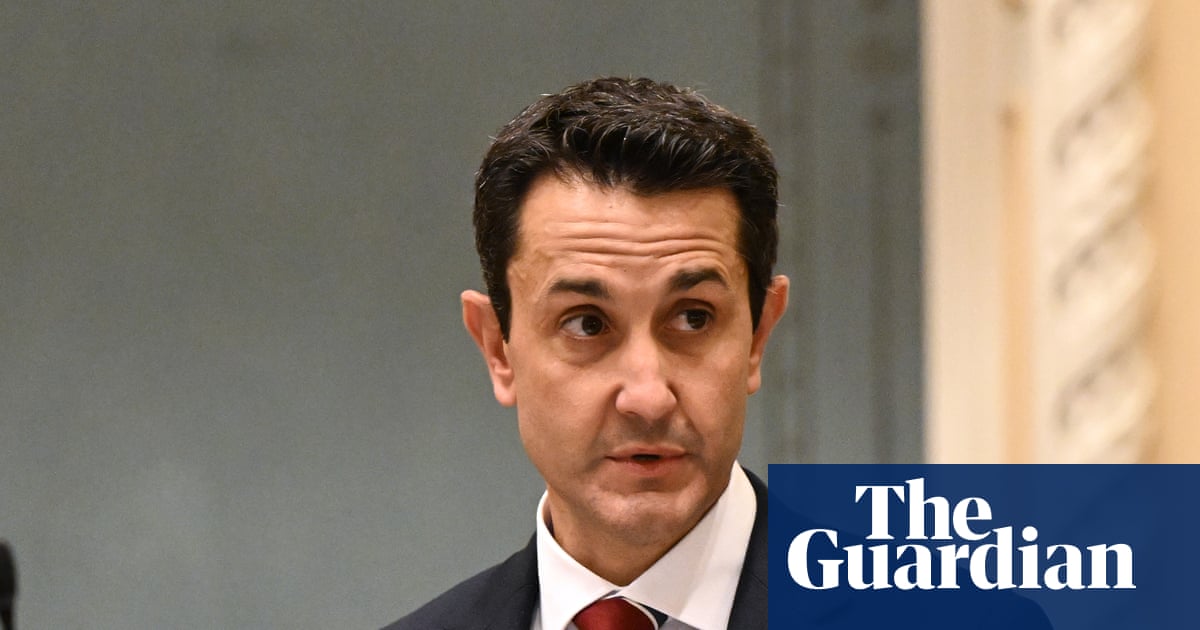
Transparency International says QueenslandâÂÂs David Crisafulli was âÂÂby far the most frequently accessedâ state leader, with 13 meetings
-
Get our breaking news email, free app or daily news podcast
Bosses at 10 datacentre companies secured almost 120 meetings with premiers and ministers in five states over a three-year period, with experts declaring this is âÂÂjust the tip of the icebergâÂÂ.
Analysis by Transparency International Australia argues these meetings, when combined with political donations, demonstrate âÂÂunfettered accessâ to decision-makers that creates an âÂÂuneven playing fieldâÂÂ.
The report found donations from major datacentre companies and their contracted lobbying firms nearly tripled over the past three years from $685,000 to $1.8m, coinciding with increased investment across Australia.
The analysis found the Queensland leader, David Crisafulli, was âÂÂby far the most frequently accessed state premierâÂÂ, with public diaries showing he has met datacentre executives 13 times in the past three years.
This included three meetings in as many weeks in August and September with AustraliaâÂÂs largest datacentre operator, NextDC â roughly one month before the companyâÂÂs expansion in Melbourne was halted after its power provider delayed construction of new power poles due to community backlash.
âÂÂThose meetings took place shortly before the Queensland premier announced a dedicated framework to fast-track datacentre approvals by taking them out of the hands of local councils,â the Transparency International report said.
Crisafulli has embraced datacentre investment and flew to the United States in September to secure a $31.9bn deal with the AI giant Anthropic for what could become AustraliaâÂÂs largest datacentre. His office was contacted for comment.
During this three-year period, 119 meetings with ministers or premiers were held in New South Wales, Victoria, Tasmania, Queensland and the ACT. These are the only jurisdictions to publicly release ministerial diaries. The meetings were mostly held in 2026.
âÂÂThese numbers are just the tip of the iceberg.â said Clancy Moore, the chief executive of Transparency International Australia.
âÂÂWhat we donâÂÂt know is how many meetings companies like NextDC, OpenAI and Anthropic and their third-party lobbyists are having with the prime minister and ministers in our federal parliament.
âÂÂAustraliaâÂÂs lobbying laws also donâÂÂt cover in-house lobbyists or government relations staff so thereâÂÂs very little oversight of their activities too.âÂÂ
The report also found Australian company Firmus Technologies secured 10 meetings with Tasmanian ministers and the premier this year alone. During this period, the companyâÂÂs expansion in the state has faced sustained backlash from local communities who feel they were not properly consulted.
The three companies that secured the most meetings with ministers were Amazon Web Services, Macquarie Technology Group and NextDC.
Last month, Guardian Australia reported on political donations from Amazon and Macquarie to both major parties, closely aligning with the announcement of multimillion-dollar government contracts or planning developments. Both companies say these donations were not aimed at influencing policy and that their timing was coincidental.
A shareholder at NextDCâÂÂs annual general meeting on Friday said the company had âÂÂa lot of lobbying going on in Canberraâ but called on the company to better lobby the public on the benefits of datacentres.
The companyâÂÂs chair, Stephen Flynn, said he was âÂÂnot sure we are great at lobbying as an industry or as a companyâ but the world had now changed.
âÂÂWe thought we were just going along and [being] invisible, in the way if you think about all telecommunications systems ⦠[it] is kind of invisible. We just take it for granted. But we canâÂÂt do that. We canâÂÂt do that as we go forward.âÂÂ
The report has also cited examples of four senior public servants at federal government departments quitting to assume leadership positions at OpenAI, AirTrunk and CDC. Three of these appointments were made this year.
In September, the president of the Australian Professional Government Relations Association, Sally Mackenzie, said the scale of engagement between industry and ministers was a sign of the system working as intended.
âÂÂWhat weâÂÂre seeing with AI and datacentres is that dynamic playing out at real pace, because the stakes for industry, government and Australians more broadly are so high,â Mackenzie said.
âÂÂLobbying is an important part of the democratic process. It ensures that all stakeholders have the ability to communicate with government.âÂÂ