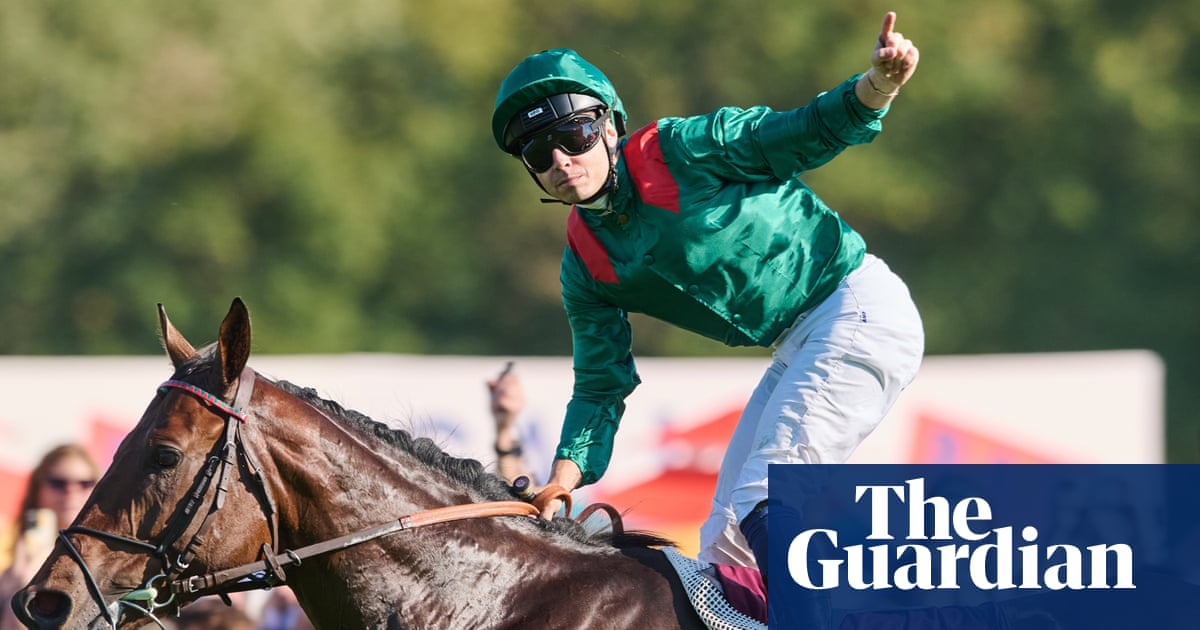

DaryzâÂÂs Arc reputation secure but retirement would rule out folk-hero status
Back-to-back wins is a huge achievement, but owners have more to think about than unprecedented third title
It was, as the moderator of the post-Arc press conference put it, the âÂÂdifficult question everyone wants to askâÂÂ, but Princess Zahra Aga Khan, the owner of the winner, Daryz, did not seem to find it difficult at all.
âÂÂLook, weâÂÂre breeders,â she said, âÂÂand you get to the point where youâÂÂre taking a risk every time you run the horse. Would we want him to train on for another year? IâÂÂm not sure. I think he has other things to do.âÂÂ
For many of those at Longchamp on a memorable Sunday afternoon, it will be a frustrating decision at best. For those who prefer the winter code it could further support the regular claim that Flat horses are never around long enough to earn true folk-hero status.
Daryz, after all, did not run at two and seems set to retire â like many Classic-winning three-year-olds â after a couple of seasons on the track. Although two Arc victories is a huge achievement, a third would be unprecedented and secure Daryz a place not just among the great Arc winners, but in the conversation about the greatest of all. Having seen off the best from the 2026 Classic crop, a fit, fully mature five-year-old Daryz would surely be a very short price to see off the best of 2027 next October.
Set that against the small risk of a serious injury while racing and it could seem inexplicable not to tilt for racing immortality. France Galop, the sportâÂÂs governing body, does not publish detailed statistics on fatal injuries while racing in the manner of the British Horseracing Authority or the Equine Injury Database in the US, but the fatality rate on the Flat in most major jurisdictions is about one for every 1,000 starts. A four- or five-race campaign for Daryz focused squarely on a return to Longchamp would be roughly 200-1 to end with a catastrophic injury.
From a racing fanâÂÂs perspective, the risk-reward reckoning of keeping Daryz in training could seem like a no-brainer. From his ownerâÂÂs point of view, though, the calculation is entirely different since it factors in what would be lost â to the Aga Khan Studs breeding operation most obviously, but also to the sport as a whole â in the unlikely event the worst were to happen.
Princess ZahraâÂÂs family has been breeding and racing thoroughbreds since the third Aga Khan, her great-grandfather, made his debut on the British turf in the early 20th century. Hers is the fourth generation to own an Arc winner â there have now been nine in the famous silks â but the first to own a dual winner of the race.
It is worth remembering that Aga Khan Studs is not a commercial operation in the manner of, say, the Coolmore Stud in Ireland. It has five stallions on its roster, sends few of its home-bred yearlings to the sales and still operates in many respects like the traditional owner-breeders that were the bedrock of the turf from its earliest days until the Coolmore-led transformation towards a full-on commercial model in the 1970s.

On that basis, DaryzâÂÂs value to the operation goes well beyond what can be summed up on a balance sheet. For his owners, the decision to send him off to stud is every bit as clearcut as the choice to race on at five might seem to be to DaryzâÂÂs supporters in the grandstand.
But while the fans and Longchamp seem sure to be denied the spectacle of Daryz lining up for a third Arc, another abiding memory of SundayâÂÂs action, alongside the winnerâÂÂs brilliant surge to victory, is of a race and an event that has rediscovered its confidence and poise.
In the first couple of years after its â¬150m rebuild, there were plenty from Britain and Ireland â who account for at least 25% of the attendance â saying âÂÂnever againâ as huge queues for toilets, food concessions and betting windows spoiled their days.
But there were no queues â that I could see, at least â on a half-hour walk around Longchamp in the hour between the Prix de lâÂÂAbbaye and the Arc itself. The weather â not just warm, but hot â undoubtedly added to the general air of contentment and allowed the crowd to spread out and explore the space, but the sense of a special day in the sporting calendar was back.
Daryz will be elsewhere on the first Sunday in October next year, but many, if not most, of those who were there to see him win his second Arc may well have it inked into their calendars already.