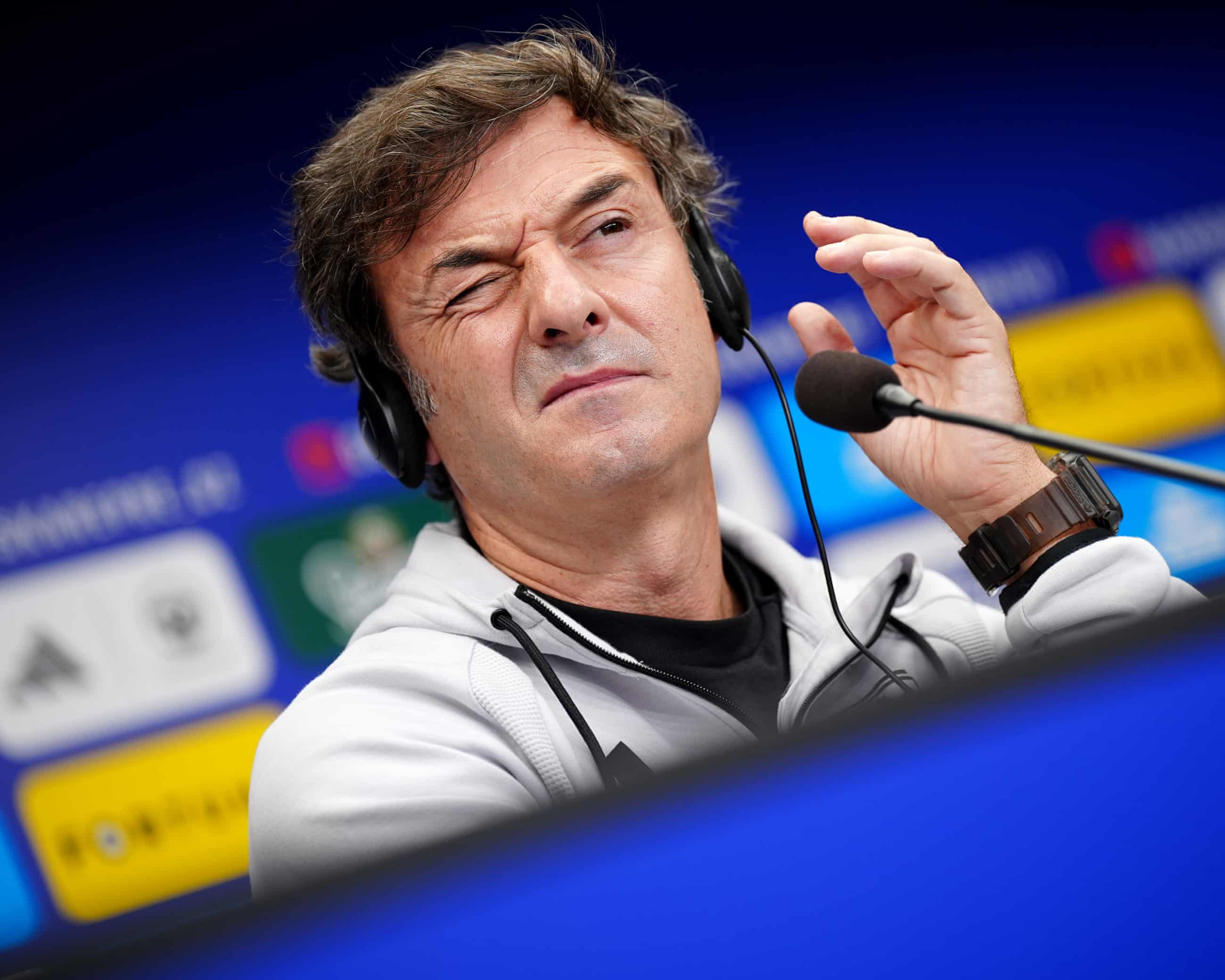
CzechiaâÂÂs Santi Denia: âÂÂAnthony Gordon? What a player! HeâÂÂs at the same level as Lamine YamalâÂÂ
After working with nearly all of SpainâÂÂs World Cup-winning squad in their formative years, the coach is also a huge fan of English football. HeâÂÂs now pitting his wits against both
At the end of a 2-0 defeat by England in Prague, the Czechia coach turned left, walked along the touchline, shook Thomas TuchelâÂÂs hand and said something he thinks he had never said at full-time: âÂÂSee you soon.â To which Tuchel said back: âÂÂSee you soon.â Seven days later, via Oviedo and Rijeka respectively, they meet again, at Wembley. âÂÂFour matches in 11 days, no time to train, for anything; I havenâÂÂt heard a single national coach say they like the new setup,â Santi Denia says, but itâÂÂs not all bad and thereâÂÂs a big smile too.
This is the start of a new life, yet familiar faces await, warmth in every word. Very familiar faces. If CzechiaâÂÂs opponents in this Nations League could not have been much worse, they could not have been much better either. In Oviedo, DeniaâÂÂs team played his country, his players; in London, for the second time in a week, they play the nation he knows better than any other, more footballers he has seen grown up. Hello, again.
The opportunity to become CzechiaâÂÂs coach came during a conversation with an old friend, at the World Cup where Denia watched Spain beat Argentina, the culmination of a long journey shared. Of SpainâÂÂs 26 champions in New Jersey, 23 had played under him during his 15 years at the federation, coaching the under-15s, 17s, 19s, 21s and 23s and working across the academy structure: those were his kids lifting the cup, stories to tell about when Rodri was tiny and Lamine Yamal tinier. Along the way, if there were kids whose path he kept crossing, they were EnglandâÂÂs.
And so, as CzechiaâÂÂs manager chats between matches â England, Spain, England again â and phone calls, mobile buzzing on the table, there is affection and admiration. Optimism, too. ThereâÂÂs a fondness for Phil Foden going back a decade â âÂÂdifferentialâÂÂ, Denia calls him â and a defence of the Football Association and this England generation. âÂÂYouâÂÂre this close to winning a World Cup,â he says, signalling the tiniest of gaps between thumb and forefinger.
A European champion and Olympic gold medal-winning coach who helped restructure SpainâÂÂs academy system, Denia can see it coming. It was England his under-17s beat to win the European Championship on penalties in 2017, before England took revenge in that yearâÂÂs World Cup final; and England who defeated Spain in the European under-21 final in 2023, Curtis Jones scoring the winner and James Trafford saving a penalty. It was also England against whom he coached his last Spain game in 2025 and it is, he says, fitting to encounter England, twice, in his first games with Czechia.
âÂÂWhen you work for Spain, itâÂÂs normal to cross paths with England,â he says. âÂÂThere have been many finals, many moments. I see St GeorgeâÂÂs Park with Luis de la Fuente. I see England in Huelva. They came to see us work; we went to Bisham Abbey to see them. I arrived at the Spanish federation in 2010 and the English FA is one that has grown the most. You win an under-17 euros, an under-17 World Cup in India, an under-21 Euros because you have believed in investing in youth, supported their development. You provide them with opportunities and experiences that end up playing out at senior level. The FA saw that. You depend on clubs, the talent pool, but infrastructure and player development is the basis of everything.âÂÂ
Among those Denia met often is Anthony Gordon. What does he make of GordonâÂÂs comments suggesting that England should not try to replicate Spain? âÂÂGordon? What a player!â Denia replies.âÂÂWhat a footballer, my God. HeâÂÂs at the same level as ⦠I donâÂÂt know, I was going to say Lamine. Young, daring, one-on-one, speed. And what great work English football has done bringing through players like him. Look, every country has its essence, you have to respect that, embrace it. You also canâÂÂt change overnight; success isnâÂÂt immediate, itâÂÂs a process. You will make mistakes but you have to be clear where youâÂÂre going. In 15 years with the inferiores, we developed, evolved, adapted. See what other federations do. ThatâÂÂs not copying, itâÂÂs learning.

âÂÂEngland are very, very good; theyâÂÂre no distance from a World Cup final. None. I defend the English FA a lot. England are among the two or three best in the world, always there. The FA saw, invested, and I would encourage them to keep doing so: in young players, in St GeorgeâÂÂs Park, in forming coaches. ThatâÂÂs the key. In 2006, Spain had as many trophies as Czechia.âÂÂ
And now they are double world champions. âÂÂThereâÂÂs something beyond football,â Denia says. âÂÂA player said once: âÂÂYouâÂÂre not a coach, youâÂÂre a teacher.â Especially with the inferiories. You want to win, sure, but you have to teach. ThereâÂÂs a psychological, paternal element. Every kid, and they are kids, has an emotional development. You know their personal problems, help them mature. There have been times when Luis or I have left players out for the good of the group: âÂÂHeâÂÂs some player but heâÂÂll create problems.â No player wins alone. One: Messi. No one else.
âÂÂWhen they win you feel so proud. I sat with David Gordo [SpainâÂÂs under-21 coach] at the World Cup final. We hugged each other, didnâÂÂt say anything, but shared a look that said: âÂÂWe did our part.â WeâÂÂre not responsible but we contributed our little grain of sand. In 15 years, almost all of them have been through our hands.â Only David Raya, VÃÂctor Muñoz and Aymeric Laporte had not been, and Denia competed against Laporte.
Now he competes against them. âÂÂAnd I want to beat them,â he laughs. âÂÂIâÂÂll call Luis, say: âÂÂThatâÂÂs enough nowâÂÂ. Luis has the best players but you have to manage them and heâÂÂs a maestro, the best in the world without doubt.âÂÂ
It wasnâÂÂt enough; in Oviedo on Saturday Czechia became the latest victims as Spain won 3-1. The fondness though is not diminished, the pride in seeing his players lift the World Cup.
Seeing Ferran Torres score SpainâÂÂs World Cup final winner felt familiar to Denia. âÂÂWhen Ferran scores in the final you get a deja vu. He scored in the final of the under-19s Euros, won the under-17s Euros, and thatâÂÂs taken to the seniors. YouâÂÂve got Lamine and [Pau] Cubarsàwho came to an under-15s tournament in Sweden. IâÂÂve worked with some players, eh: Isco was incredible. Thiago [Alcântara]. [Sergio] Canales. But that was the first time I saw spectators with their heads in their hands going: âÂÂOh! What is this?!â José Lana was coach. I asked him: âÂÂWhere did you get these guys from?!â I was the lucky one. I had the under-19s and took Lamine up. He was 14, a record. âÂÂThat oneâÂÂs for me!âÂÂâÂÂ
Sure, but as under-19 or under-21 coach, the best get taken off you too. âÂÂDelighted!â Denia says. âÂÂWhen a player reaches the seniors itâÂÂs your proudest moment. I used to joke with Luis: âÂÂYou havenâÂÂt got the guts to take my players.â He would reply: âÂÂDonâÂÂt tempt me; IâÂÂll take all of them.â ThereâÂÂs no fear, none. DonâÂÂt look at the date of birth. If theyâÂÂre ready, theyâÂÂre ready. We know them but you need the clubs. You encourage them to put players in young, but who plays Cubarsàand Lamine at 16!âÂÂ
The phone goes, Denia has a look â a Czech number â then returns to Spain and their captain. âÂÂI canâÂÂt be objective about Rodri,â he says. âÂÂI first saw him at Atlético with José MarÃÂa Amorrortu, the academy head. Watching an infantil [under-14] session from a balcony above the pitch, thereâÂÂs this little lad who is amazing. Josema [Amorrortu] says: âÂÂThatâÂÂs Rodri.â I say: âÂÂHeâÂÂs a second ahead of everyone but heâÂÂs tiny.â He says: âÂÂYeah, but look â¦â RodriâÂÂs parents are in the stands and they were so tall. âÂÂHeâÂÂll grow! I think we can wait for him!â I remember his under-17 debut in Sweden. I said: âÂÂDonâÂÂt go to war: theyâÂÂll win. YouâÂÂre the smart kid, you think faster: thatâÂÂs how you win.â His spurt came later, at Villarreal. Talk to him and youâÂÂre talking to a coach, a grandad. HeâÂÂll give you advice.âÂÂ

If Rodri raising the World Cup was the culmination of the work Denia and his federation colleagues had done, the end of one journey in the US, another began there too. The Czechia coach Miroslav Koubek had resigned and Denia was watching a game with Radek Bejbl, the former Czech Republic international with whom he played at Atlético. âÂÂRadek says: âÂÂI know Pavel Nedved [CzechiaâÂÂs general manager]. Send me a résumé, what you did with Spain.â The federation president, David Trunda, was in New York too. We met there and again in Prague, with Nedved. We talked about how we would build. And IâÂÂm delighted.â Bejbl is now on DeniaâÂÂs staff.
Denia leans forward. âÂÂCzechia is incredible. Prague is ⦠wow,â he says. All the way through the conversation, the occasional English word or concept has slipped in; now, that makes more sense. âÂÂWe talk to them in English,â Denia says. âÂÂPablo Amo, my assistant, speaks great English. Radek translates some things. The occasional Spanish swearword slips out. If you have three or four key words [in Czech] and speak some English, itâÂÂs OK: football is a universal language. Getting to the World Cup was an achievement; now we want to develop, grow, open a pathway. We know the football we want and the players have identified with the style.
âÂÂThereâÂÂs a structure to build. Departments which all work together, clear roles. Medical, media, marketing, travel. If the federation wants us to, we can advise and work on the inferiores, maybe bring ideas from Spain. But weâÂÂve just arrived and havenâÂÂt had time yet. The first thing, the thing you have to do best, is choose the right players. Scout, watch games, define the profile we want, select the players that fit. Then you have a few days to shape it. Time is always limited; with this format itâÂÂs even harder. We lost to Croatia but competed. England too. We and the federation have no doubts about the pathway. David and Pavel trust in us. We have to be faithful to the essence of Czechia and leave our mark too. The immediate objective set is qualification for the Euros.âÂÂ
England again. âÂÂSign me up!â Denia says, glancing at the phone buzzing, time to go. âÂÂA Euros in England. I know the stadiums and training grounds, remember visiting [Aitor] Karanka at Middlesbrough. The hard part was driving; the other part, the football, I love. IâÂÂd be delighted to play there again. And imagine another final with England! IâÂÂm dreaming here, aiming high, but why not?âÂÂ