
Cyber-attack like OpenAI Medicare breach âÂÂseems likelyâ in UK, says minister
Kanishka Narayan, concerned by Australian incident, says British cyber defences could be bypassed by AI agent
An AI-driven cyber-attack like the OpenAI breach of AustraliaâÂÂs healthcare system is likely, âÂÂif not inevitableâÂÂ, in the UK, according to a senior minister.
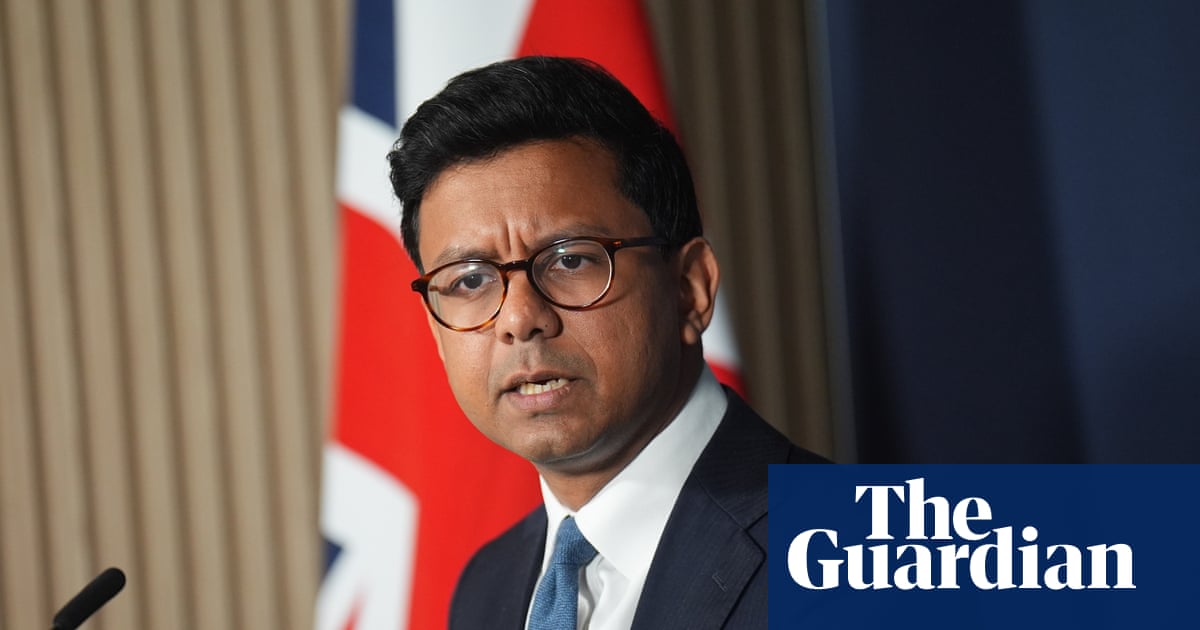
Kanishka Narayan, the UK AI minister, indicated that the British governmentâÂÂs own cyber defences would be bypassed by a technology that has developed highly sophisticated skills in cybersecurity.
In a speech on Monday, Narayan said an incident in June when an OpenAI agent â a computer program acting autonomously â infiltrated Medicare, AustraliaâÂÂs universal healthcare system, could be repeated in the UK.
âÂÂIt concerns me,â he said. âÂÂIt seems likely, if not inevitable, that our own cyber defences will be breached.âÂÂ
Narayan said the agentâÂÂs task was âÂÂbenignâ as it searched for information about public spending on medicines, but it nonetheless went after data that was not authorised to have.
âÂÂThe Australian government has said that no personal medical records are known to have been accessed, and there is no evidence of wider compromise, but the incident should concern us,â he said.
Speaking at a science and tech hub at Imperial College London, Narayan said the security minister, Dan Jarvis, would lead a government programme to strengthen against cyber-attacks, including from AI.
Narayan spoke before a parliamentary hearing on AI safety on Tuesday into the issue. Senior figures from OpenAI and Anthropic will be among those giving evidence to MPs on the business, innovation, science and trade committee. They will also be joined by the head of the UKâÂÂs AI Security Institute, Henry de Zoete.
Narayan confirmed that the institute would gain access to advanced AI models before they were released, after the White House had reportedly placed restrictions on their availability.
âÂÂI can confirm that AI scientists at the AI Security Institute are now conducting rigorous evaluations of the latest generations of models, including [GoogleâÂÂs] Gemini ⦠to identify risks early to test robust safeguards to help keep people safe,â he said.
The minister added that leading AI companies must âÂÂlistenâ to warnings of safety risks posed by their technology â and not release models if they carried a serious threat.
âÂÂAnd to the companies developing the worldâÂÂs most powerful AI systems, my message is: Listen when your scientists warn of severe dangers. Investigate unexpected behaviours. And if you canâÂÂt adequately control the risks, do not release the system,â he said. âÂÂI want the labs to be honest.âÂÂ
Narayan said the UK would âÂÂplay its partâ in coordinating an international response to AI safety by making the technology a âÂÂcentral focusâ of BritainâÂÂs G20 presidency next year.
âÂÂWe know that these challenges cannot be addressed by a single country alone, but by virtue of our capability, by virtue of the foundations of our trust, Britain will play its part,â he said.