
âÂÂClear retributionâÂÂ: dismay as key AlzheimerâÂÂs study cancelled amid Trump attacks on science
Participants in Pittsburgh may never learn the results of their cognitive tests â and funding cuts that target âÂÂDEIâ have the potential to delay vital diagnoses
Roderick Blair was surprised when scientific researchers appeared on his doorstep in the Homewood neighborhood of Pittsburgh, Pennsylvania.
Here, on a recent summer day, police cars, an ambulance and a TV reporter crowded into a driveway on the edge of the neighborhood. A helicopter swung overhead. Saplings peeked over rooflines from gutters, windows were broken, screens tattered, doors boarded up and rippling sidewalks crumbled. Bedraggled chain link fences held back the seasonâÂÂs tall grass.
BlairâÂÂs address had been randomly selected to participate in a research trial on healthy eating. Blair, a 70-year-old retired emergency preparedness worker who spent a career on Capitol Hill, was not enthusiastic.
âÂÂI know about the stubbornness of some researchers where Black people were just a throw-aside, [to] get two of them to say, âÂÂWe studied all black people,âÂÂâ he said. âÂÂI choose not to participate in that foolishness.âÂÂ
However, as researchers stayed in the community, he was convinced of their sincerity. For more than a decade, he participated in a series of data collection efforts â wearing a sleep monitor and a fitness watch, answering detailed and highly personal survey questions about education, childhood experiences and even sexual abuse. Finally, he was asked to take a cognitive test.
âÂÂIt started off really basic. And they said eventually, âÂÂWeâÂÂd like to do cognitive tests on you.â I said, âÂÂThat wonâÂÂt happen.âÂÂâÂÂ
It was a âÂÂdelightfulâ young test proctor who changed his mind, and he finally took that test too â twice. This last assessment was meant to capture cognitive changes â specifically AlzheimerâÂÂs disease.
But Blair â and the roughly 600 other participants â may never learn the results of his cognitive tests, despite what researchers promised and now have all the data to do so. They wonâÂÂt know because this grant, like hundreds of others nationally, was terminated by the Trump administration.
âÂÂThe real loss is that we promised our participants information and feedback based on their two cognitive tests or assessments that they did,â said Tamara Dubowitz, one of the primary investigators on the study, a professor at the University of Pittsburgh and chair of epidemiology, who spoke only in her personal capacity.
This was the âÂÂPhreshâ study, a 15-year-long research project that began as an examination of food deserts. It evolved into a rich set of data on the life course, wellbeing and eventually cognitive health of two aging, low-income and majority Black neighborhoods just a few miles from a major AlzheimerâÂÂs research hub, the University of Pittsburgh.
Now, the funding cuts have the potential to unnecessarily delay diagnosis of AlzheimerâÂÂs disease or dementia syndromes in the group â diseases whose treatments rely on early diagnosis.
Nearly 7 million people in the US live with AlzheimerâÂÂs. Most are white, but Black Americans have nearly double the risk of developing AlzheimerâÂÂs dementia, according to the AlzheimerâÂÂs Association. For decades, this was framed as an âÂÂindividual risk factor.âÂÂ

Researchers and theorists have begun to reframe this idea: that these individuals are at risk because of forces far outside their control, such as neighborhood divestment, the weathering effects of discrimination and trauma, all factors scientifically validated through years of research. As Blair and other participants shared their lifestories, habits and biometric data, as collected by surveys, wearables monitors and old-fashioned blood-pressure cuffs and scales, the impact of those forces was chronicled as data.
There is no single source accounting for race in AlzheimerâÂÂs research, but clinical trials and research studies are known to skew toward wealthy and white participants. In just one clue about the level of disparity, of more than 12,000 brain-imaging studies on AlzheimerâÂÂs, only about 700 report race at all. Studies that do report race have more than 87% white participants. As of 2020, census data found about 58% of the US population was white.
As the Trump administration attempts to remake science according to its own priorities â canceling, freezing or otherwise disrupting more than 5,700 medical research grants at the National Institutes of Health (NIH) â work such as DubowitzâÂÂs has been alternately labeled âÂÂDEIâ (diversity, equity and inclusion) or unscientific.
Researchers were given 90 days to shut down the study, more than five months earlier than expected and a year earlier than hoped. ItâÂÂs far too little time to conduct cognitive âÂÂadjudications,â where a neuropsychologist and geriatric psychiatrist were expected to interpret the results of all 600 participants â experts that the researchers now canâÂÂt pay.
To Blair, the cancellation of the study â one that the community trusted more each year that researchers stayed â was âÂÂclearâ retribution.
âÂÂIf you donâÂÂt agree with me, youâÂÂre going to go to the woodshed,â said Blair, later adding, âÂÂWhat has this administration done that has not been a retribution?âÂÂ
DubowitzâÂÂs study has a design unique among AlzheimerâÂÂs research. The study was first funded in the Obama administration, at the height of concern around obesity and âÂÂfood desertsâ â neighborhoods that lack a nearby grocery store.
The study was designed around a natural experiment. The Hill District and Homewood were both predominantly Black, low-income neighborhoods near the University of Pittsburgh. Both were food deserts. The Hill District was slated to get a grocery store. Homewood was not. Thus, the study was named the Pittsburgh Hill/Homewood Research on Eating, Shopping and Health (Phresh).
Addresses were randomly selected from each neighborhood to study the health effects of the new grocery store, which is how a researcher came to knock on BlairâÂÂs door. It is also a radically different selection model from most research studies, which tend to rely on interested participants.
In the first round of the Phresh study, Dubowitz found health improved in Hill District and not Homewood, but not for the reason she thought. Health improvements were not linked to shopping at the grocery store. Instead, they appeared to be linked to neighborhood investment. Dubowitz redesigned the study â moving from grocery stores to neighborhood noise and sleep, a block by block assessment of parks and sidewalks, cardiovascular health and, finally, after feedback from the now-aging cohort, to mental health and AlzheimerâÂÂs disease.
âÂÂWhen we started collecting data around grocery stores and asking about fruits and vegetables, people started telling us other things that was happening,â said LaâÂÂvette Wagner, the field coordinator for Phresh. âÂÂI said to Tamara, âÂÂThese people are really going through some mental health issues. TheyâÂÂre really having some trauma.â She said, âÂÂOK, letâÂÂs start adding questions about mental health.âÂÂâÂÂ
The natural experiment design was dropped. The neighborhoods were no longer compared, but seen as one. As the AlzheimerâÂÂs study got off the ground, participants received hours of scientifically validated surveys assessing a whole lifetime of adversity and resilience, a theory described in academic circles as the âÂÂlife courseâ model. In laypersonâÂÂs terms: what you went through as a child affects your health as an adult.
Participants were asked about childhood sexual abuse, neglect and violence, education and recent trauma. Participants disclosed highly personal information and stories â many of which underscored the reality of life on fixed incomes or as victims of violence. A child was killed, they cared for grandkids, they struggled to afford food and medicine. Stories of relatives and friends with AlzheimerâÂÂs came out. In the course of the study, WagnerâÂÂs friend was diagnosed first with depression, then dementia.
âÂÂIn the African American community, we might think, âÂÂOh, so-and-so is withdrawn, theyâÂÂre not talking or theyâÂÂre doing things. It might be a form of depression,âÂÂâ said Wagner. âÂÂAnd I think whatâÂÂs happening now is people are now speaking up and speaking out, knowing to go get their family members tested.âÂÂ

In August, the study was at the cutting edge of brain health and social epidemiology â researchers had just finished their second and final round of cognitive examinations, and were ready to âÂÂadjudicateâ the cognitive status of participants with a neuropsychologist and geriatric psychiatrist.
Then, the termination letters came.
National Institutes of Health (NIH) director Jay Bhattacharya, a Trump appointee, described long-accepted self-report metrics that link trauma, deprivation and discrimination to health status as, âÂÂnot in alignment with NIHâÂÂs priorities related to âÂÂpromoting research focused on scientifically valid measurable health outcomesâÂÂ.â The work âÂÂno longer effectuates the program goals or agency prioritiesâÂÂ, one letter said. The result, researchers said, will almost certainly rebalance studies to include more white participants.
The administration canceled thousands of scientific grants in 2025, arguing they were related to DEI. Although many grants were reinstated after litigation, the administration has continued to quietly cancel more research in 2026.
Alongside Phresh, the administration terminated two more brain health grants â targeted cancellations that legal experts believe are meant as test cases for courts. All studied how discrimination impacts mental health.
âÂÂThe administration, particularly Secretary [Robert F] Kennedy [Jr], has followed a very clear pattern,â Lawrence Gostin, a professor of global health law at Georgetown Law, told the Guardian in August. âÂÂThey do something thatâÂÂs clearly unlawful, they get slapped down by a federal court, and then they try to cobble together a strategy that does basically the same thing but is legally defensible. I think thatâÂÂs whatâÂÂs going on here.âÂÂ
The abolished grants at Pittsburgh are among 90 that the University of Pittsburgh has had cancelled, totaling about $33m, and excluding those that were later reinstated. Emory University has lost $92m in funding.
âÂÂThe University of Pittsburgh is in the process of submitting appeals to the National Institutes of Health regarding the agencyâÂÂs recent termination of these awards,â said Jared Stonesifer, the universityâÂÂs head of communications.
âÂÂThese appeals represent the first step in the administrative process meant to act as a pathway for the university, as the recipient of the grants, to seek review of funding decisions. The university believes these appeals are supported by a strong legal foundation and will present its position through the appropriate channels. While the process is ongoing, the university remains hopeful for a favorable resolution.âÂÂ
Researchers at Pitt are now also named plaintiffs in a class-action lawsuit against the NIH, which argues that the administration is attempting to censor research whose conclusions it disfavors.
âÂÂThe plaintiffâÂÂs experiences and stories here really evidence that censoring research can have life or death consequences,â said Olga Akselrod, senior counsel with the American Civil Liberties UnionâÂÂs racial justice program, and one of the lead litigators in the case. âÂÂIt is dangerous for public health when research is censored based on political litmus tests, and particularly when it targets areas of research designed to address the needs of underserved populations that disproportionately experience negative health outcomes and some of the most accute health disparities.âÂÂ
The cuts have come as the administration is seeking to move the entire $1tn federal grant-making apparatus under the control of political appointees.
Phresh was at the forefront of work connecting brain health to adverse experiences and resiliencies but it was not the only study to move in this direction.
The second study canceled at Pitt was called the Cobra study, or connectomics in brain aging. It was led by Anne Cohen, a professor of psychiatry, who was collecting brain scans and blood biomarkers from diverse participants and then comparing those biomarkers to metrics that use US government data, such as the area deprivation index.

At Emory, associate professor of psychiatry Negar Fani was studying how discrimination impacts the white matter of the brain, collecting brain scans, biometrics and conducting sophisticated fusion analysis.
In each case, race was important, but also a shorthand for something more profound â deprivation, trauma and the way those forces manifest in the body.
âÂÂI want to emphasize itâÂÂs not just about race,â said Andrea Rosso, an associate professor of epidemiology at the University of Pittsburgh, a brain health expert, and a co-investigator in the Phresh study, who also spoke in her personal capacity.
âÂÂThe white people that show up in clinical samples have a much higher rate of this pure AlzheimerâÂÂs pathology, amyloid plaques, tau tangles, and very little other stuff going on in their brain,â said Rosso. âÂÂTheyâÂÂre younger. They tend to be the people who are 60 years old and having AlzheimerâÂÂs disease, so they havenâÂÂt even aged enough to develop this other pathology. Whereas if you go out in the community and recruit people, again, whether theyâÂÂre Black, whether theyâÂÂre poor, whether whatever â theyâÂÂre just not the people that are knocking down your door. Almost all of them have mixed pathologyâ she said.
âÂÂAnd thatâÂÂs traditional AlzheimerâÂÂs pathology, thatâÂÂs vascular pathology,â said Rosso. âÂÂItâÂÂs Lewy body pathology, which is pathology related to ParkinsonâÂÂs. ItâÂÂs tau pathology in the absence of amyloid. ItâÂÂs a whole bunch of other stuff.âÂÂ
The health implications of deprivation and trauma are based on decades of validated, and even celebrated, research. One of the better-known surveys used by Dubowitz and Rosso was called ACEs, or the adverse childhood experiences study. The study was developed by a Kaiser Permanente physician and Centers for Disease Control and Prevention (CDC) researchers in the late 1990s. It was the first to associate childhood traumas â such as abuse, neglect and even divorce â with long-term health conditions, including cardiovascular disease, hormonal imbalances, long-term inflammation and even lifetime earnings.
This is also what Trump administration officials, in their effort to get cancellations to legally stick, have called out as unscientific â a fact that befuddles brain health researchers. Study after study has shown that it is not just the reality of discrimination or trauma that affects health â say, being the legally vindicated victim of a hate crime â but the perception.

âÂÂMany times we ask people about events theyâÂÂve experienced and their perceptions of those events and the symptoms they have of those events,â said Fani, who spoke to the Guardian in August, at the time the studies were terminated. âÂÂPTSD researchers â we donâÂÂt go into history and try to find police reports.âÂÂ
The NIH argument âÂÂthat self-reported measures are not scientifically valid ⦠would rule out a large portion of our entire fieldâÂÂ, Fani said. âÂÂWe ask people about their trauma, and symptoms, and depression, to lifestyle, to their reports about alcohol and substance abuse, their reports about physical pain and medication usage.âÂÂ
Further, diversity in research is critical not just for racial minorities or women, who are underrepresented, but for all patients. In just one example, CohenâÂÂs recent work found that blood tests for AlzheimerâÂÂs, which have been championed by the Trump administration, can be tripped up by some pathologies.
âÂÂThis is something thatâÂÂs really, really distressing to me about this termination and what we had planned for the next iteration of this grant,â said Cohen. âÂÂThe Cobra study contributed to several very important recent publications about the performance of these blood biomarkersâ with, âÂÂcomorbidities like kidney disease and vascular disease.â Blood samples Cohen collected for the work are now under threat of destruction because of the grant cancelation.
âÂÂNow, it just feels like that exploration is kind of dead in the water,â said Cohen.

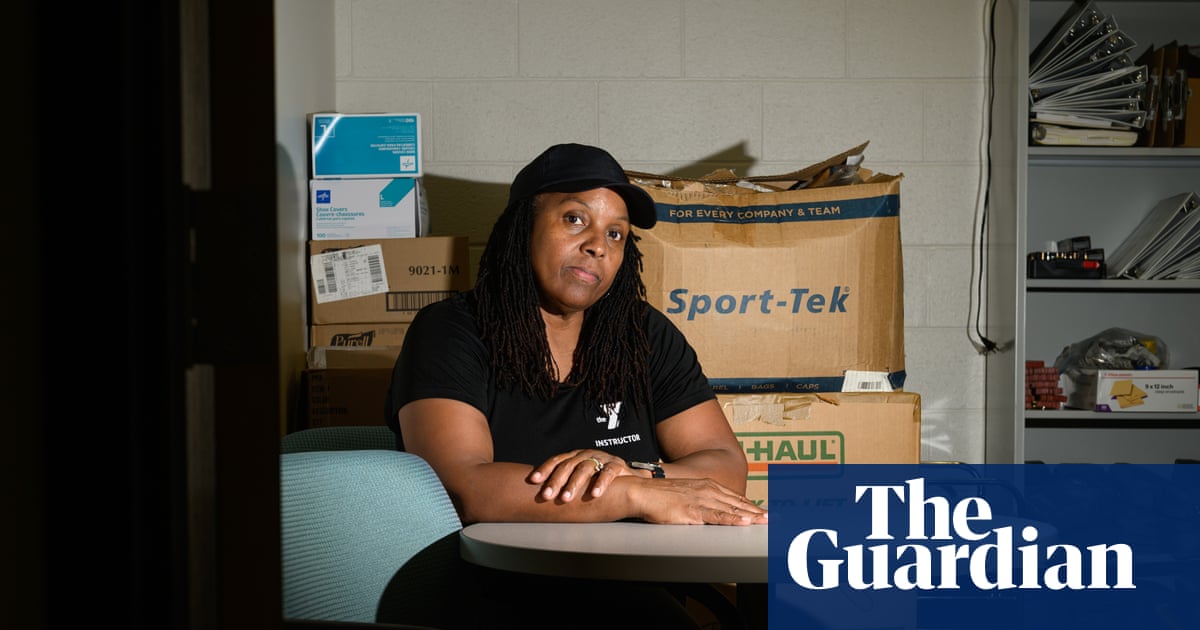
Across town, LaâÂÂvette Wagner, the field coordinator for Phresh, is packing up her office in the Hill District. A white box on the floor contains pamphlets she used to give her data collectors, who then used to give them to participants, including one whose pages were filled with Black therapists. Down the hall are the scales, fitness watches, sleep monitors, blood pressure cuffs and sleep diaries.
Wagner will need to start looking for a job if no new studies come in. SheâÂÂs been with Phresh for 15 years. But her greatest sadness is for participants.
âÂÂWe wanted to provide feedback to say, âÂÂOK, this is what we determined between your two tests,âÂÂâ said Wagner. âÂÂThere were probably a few people, I know they said they were going to suggest that they needed to follow up with their doctor. There was some concerns. We had already started putting together those letters,â she said.
âÂÂNow that itâÂÂs defunded, we are not going to be able to do that.âÂÂ
A spokesperson for HHS, which oversees NIH, did not respond to a request for comment.