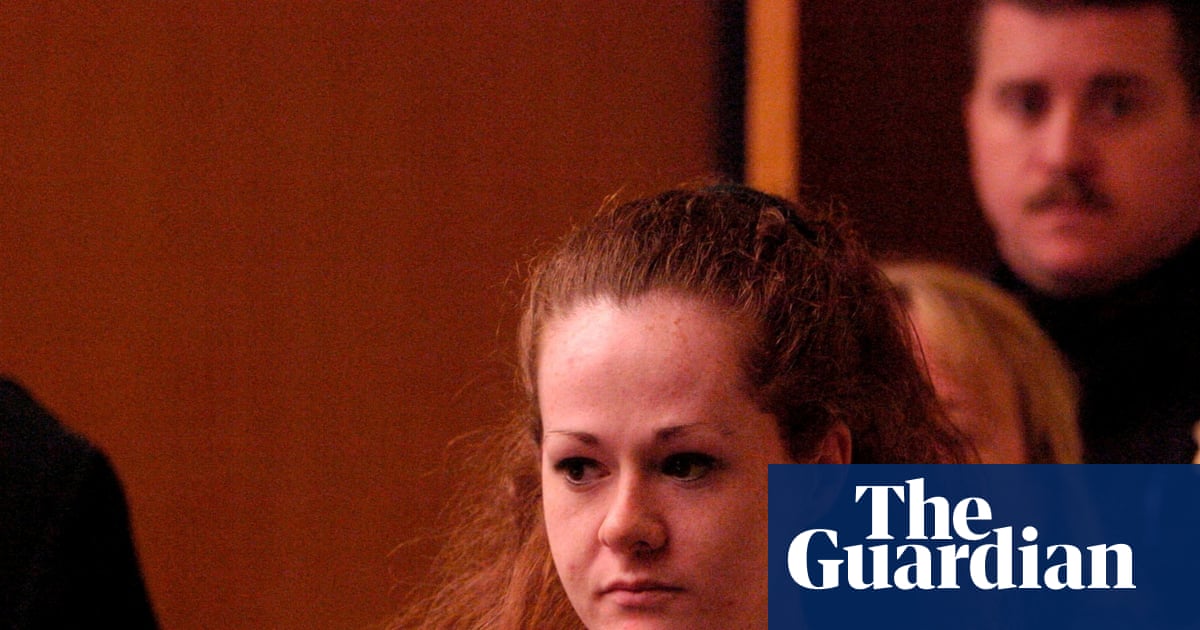

Christa PikeâÂÂs IV team warned vein might be âÂÂblowingâ before failed execution
New account from PikeâÂÂs lawyer suggests team was racked by doubts even before pentobarbital began to flow
The Tennessee execution team tasked with setting an intravenous line in the arms of the death row prisoner Christa Pike through which she could be injected with a lethal dose of pentobarbital repeatedly warned that her vein might be âÂÂblowingâÂÂ, before they went ahead with the procedure, her lawyer has revealed.
Members of the intravenous (IV) team used up to 10 needles as they sought to establish a line through which Pike could be killed with a massive dose of the sedative. About 20 minutes into the attempt, they began discussing among themselves whether the prisonerâÂÂs vein âÂÂmight be blowingâÂÂ.
Two unidentified members of the team began poking the site through which they were trying to set up the line, and both agreed that they couldnâÂÂt tell whether they had succeeded in finding the vein. âÂÂOne of them said something like: âÂÂItâÂÂs either blood or blown, I need to know,âÂÂâ the lawyerâÂÂs new account says.
The potentially critical new details of how TennesseeâÂÂs execution team failed to kill Pike, 50, on 30 September are contained in the most detailed account yet given by PikeâÂÂs lawyer Randy Spivey.
In a declaration that was released as part of separate legal proceedings, Spivey gave a minute-by-minute chronology of PikeâÂÂs ordeal, which he personally witnessed in the death chamber.
The account suggests that the IV team was racked by doubts even before the pentobarbital began to flow, as they struggled to find a vein for almost an hour. The search began at 6.35pm that evening, and was completed at 7.24pm, at which point the team left the chamber assuming everything was going according to plan.
But Pike remained alive, making snoring and choking sounds.
The execution was eventually called off, and after 10 days in hospital Pike was returned to prison in Nashville. She is the only prisoner in modern times to survive a full dose of a lethal injection drug.
Though she can now talk and walk, her long-term prognosis is still unknown. The gruesome events of her failed execution have prompted nationwide soul-searching about the death penalty in the US, and forced the Republican governor of Tennessee, Bill Lee, to call off all executions in the state pending a review.
SpiveyâÂÂs blow-by-blow chronology gives agonizing new details about the lengths to which the IV team went to find a vein, as well as their profound anxieties about whether they were doing the right thing. A person on the IV team named by Spivey as âÂÂmember twoâ first expressed the fear that PikeâÂÂs vein might be blown at 6.53pm.
The team then discarded the 20-gauge needle that they had been using, saying: âÂÂâÂÂItâÂÂs not long enough. What is the longest youâÂÂve got?âÂÂ
Three minutes later, at 6.57pm, member two repeated it âÂÂmight be blowingâÂÂ. Spivey reported: âÂÂMember two and IV team member 3 inspected the insertion site and poked it. Both said that they âÂÂcanâÂÂt tellâÂÂ.âÂÂ
Despite the uncertainty, the IV team agreed among themselves that they had established a line just two minutes later, only to discover that it was not, in fact, properly working. âÂÂI need to work again,â member two said, pulling the needle out of PikeâÂÂs left arm. âÂÂIt appeared to be severely bent,â Spivey records.
At 7.08pm member two called on the team to think again. âÂÂLetâÂÂs regroup,â he said. They began checking PikeâÂÂs right arm again, and poking around the insertion site. At 7.13pm, member two told Pike directly that they âÂÂhave itâÂÂ, and the injection of pentobarbital that they thought would kill her was set to begin.
The revelations of so many doubts and foiled efforts to find a line, including the critical fears that her vein might have blown, lend added weight to one of the most prominent theories that have emerged for how the execution failed and Pike survived. Had the drug entered her bloodstream at such a extreme dose she would almost certainly have died, but if her vein burst, the pentobarbital would have been diverted into her arm tissue, causing her severe injuries but falling short of killing her.
As Spivey noted in his chronology, at 7.34pm Pike cried out: âÂÂI feel like my arm is about to bust. It burns.âÂÂ
SpiveyâÂÂs detailed minute-by-minute account is attached as an exhibit in a new legal motion filed on behalf of Tony Carruthers and other death row prisoners. Tennessee attempted to execute Carruthers on 21 May, but he too survived after the execution team failed to find a vein in more than 30 minutes.
CarruthersâÂÂs lawyers have asked permission from the Davidson county chancery court to file a supplemental complaint challenging TennesseeâÂÂs lethal injection protocol. They made an initial complaint in March 2025 in which they warned that the prisoner could face a torturous death by pentobarbital poisoning because the team administering the lethal drug were âÂÂincompetent, insufficiently trained, insufficiently dedicated to doing their jobs, and/or insufficiently attentiveâÂÂ.
As such, they warned, the execution ran an unacceptable risk of violating constitutional protections against cruel and unusual punishment.
The failed executions in May, and PikeâÂÂs subsequent failed execution in September, bear out the lawyerâÂÂs advance warnings, the new motion asserts. âÂÂThe specific failures that Mr Carruthers and Ms Pike endured were predicted, in detail and at length,â the new motion states.
Kit Thomas, an attorney for the death row plaintiffs, said: âÂÂInstead of addressing the problems in the 2025 Protocol when we identified them last year, the Tennessee Department of Correction and the Attorney GeneralâÂÂs Office doubled down on secrecy and refused to make changes. The result was just as we predicted: extreme pain and suffering for our clients, in botched execution attempts that also inflicted lasting harm on victimsâ families, corrections staff, and media witnesses, among others.âÂÂ
Pike was sentenced to death for the 1995 murder of her friend Colleen Slemmer. She was 18 at the time of the murder, and spent the next almost three decades in solitary confinement.