
California beaches close as record-breaking tides and major flooding loom
Most of state likely to avoid worst-case scenario of coastal flooding amplified by intense winter rainstorms
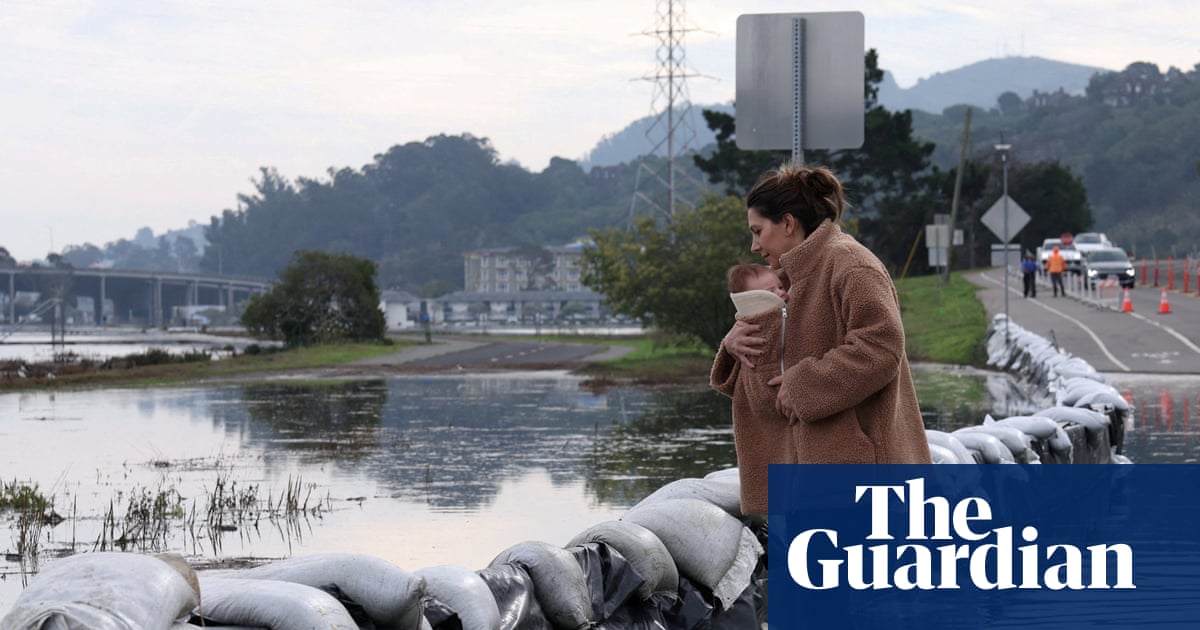
Major flooding is expected in California today as a second day of record-breaking high tides hits up and down the west coast.
While forecasts suggest most of the state is on track to avoid the worst-case scenario â coastal flooding amplified by intense winter rainstorms â local officials have been preparing for weeks for the risk that flooding will disrupt travel during Thanksgiving week, one of the busiest times of the year.
Flooding risk at San Francisco international airport, a major transit hub situated on low-lying coastal land, has been a particular concern. At least three airlines have offered free trip changes to travelers whose journeys take them through San Francisco on Wednesday, the San Francisco Chronicle reported.
The airport said in a statement that it had experienced no flooding impacts on Tuesday. The peak of CaliforniaâÂÂs seasonal âÂÂking tidesâ will happen up and down the coast on Wednesday morning, meaning the scope of the flooding impact is likely to be clear relatively early in the day.
High tide levels will be combined with dangerously strong surf and big waves in many regions, with National Weather Service (NWS) offices warning of breaking waves of 20-25ft in northern California, âÂÂdangerously large breaking waves of 20 to 30 feetâ in San Francisco and âÂÂdangerous rip currentsâ and waves of 12-22ft on the central coast between San Francisco and Los Angeles.
Citing WednesdayâÂÂs forecast, some cities on CaliforniaâÂÂs central coast, including Santa Cruz, Monterey and Carmel-by-the-Sea, announced they would be closing city beaches starting on Tuesday evening because of the potential dangers, KSBW Action News reported.
A local news outlet in Oregon shared a video on Tuesday that illustrated the risk of the west coastâÂÂs high-tide surf, showing a man and his dog almost getting swept away by unexpectedly high waves during the king tides in Cannon Beach, Oregon. Both man and dog escaped without injury, police told KVAL News.
In San Diego, the NWS told residents to âÂÂexpect significant flooding of low-lying roads near beaches and baysâÂÂ, while in the San Francisco Bay Area, it projected âÂÂnumerous road closuresâÂÂ.
âÂÂCalifornia took early action to prepare for El Niño, and weâÂÂre continuing that work by strengthening flood defenses, positioning emergency supplies, and coordinating with local emergency crews to reduce risks to communities,â California governor Gavin Newsom said in a statement on Tuesday, warning residents to take extra caution when preparing for holiday travel.
CaliforniaâÂÂs flooding risk this week is the result of a combination of factors, some of them driven by this yearâÂÂs super El Niño weather, including the lingering effects of the massive Kelvin wave that traveled up CaliforniaâÂÂs coast. The overlap of unusually high Pacific coast water levels this year with the seasonal high tides called âÂÂking tidesâ has sparked alarm from weather experts, who have warned that the most dangerous flooding is likely to occur if a strong winter storm with heavy wind and rain hits areas of the coast at the same time as the high tideâÂÂs peak.
So far, it seems like California has avoided the worst of that risk during the November king tide period. But the amplified king tides will return twice more, around late December and then in late January, in periods where big winter storms remain likely.