
As Trump fans the flames of a world on fire, can diplomacy take back control?
Amid the chaos, havoc and war caused by a capricious and amoral US president, countries are waking up to the dangers of being excluded and abused by America
Never has there been a time when the world has been more interconnected than now. What happens in the secretive inner councils in Tehran, the mountains of south-west Yemen, the steppe of the Donbas, the still bloody wasteland that is Gaza and even the elegant boulevards of Paris and Milan have a common thread.
One cannot understand one set of conflicts without weaving them into another, and it is this very interdependence that is making each problem so contagious, layered and difficult to resolve, leaving the world to live as if trapped inside a pressure cooker on the brink of an explosion.
Each night it seems the world has reached a collective rock bottom, only to wake in the morning to the sound of knocking from below.
In this great age of noncooperation and lawlessness, the need for one crisis to be resolved before another can be addressed leads to a collective paralysis, especially in the total absence of clear leadership by the worldâÂÂs leading power.
Speaking this week, the Indian external affairs minister, Subrahmanyam Jaishankar, said: âÂÂThe indivisibility of our existence permeates every aspect of human activity and it has deepened as globalisation has advanced. The fact now is that war anywhere threatens peace everywhere.âÂÂ
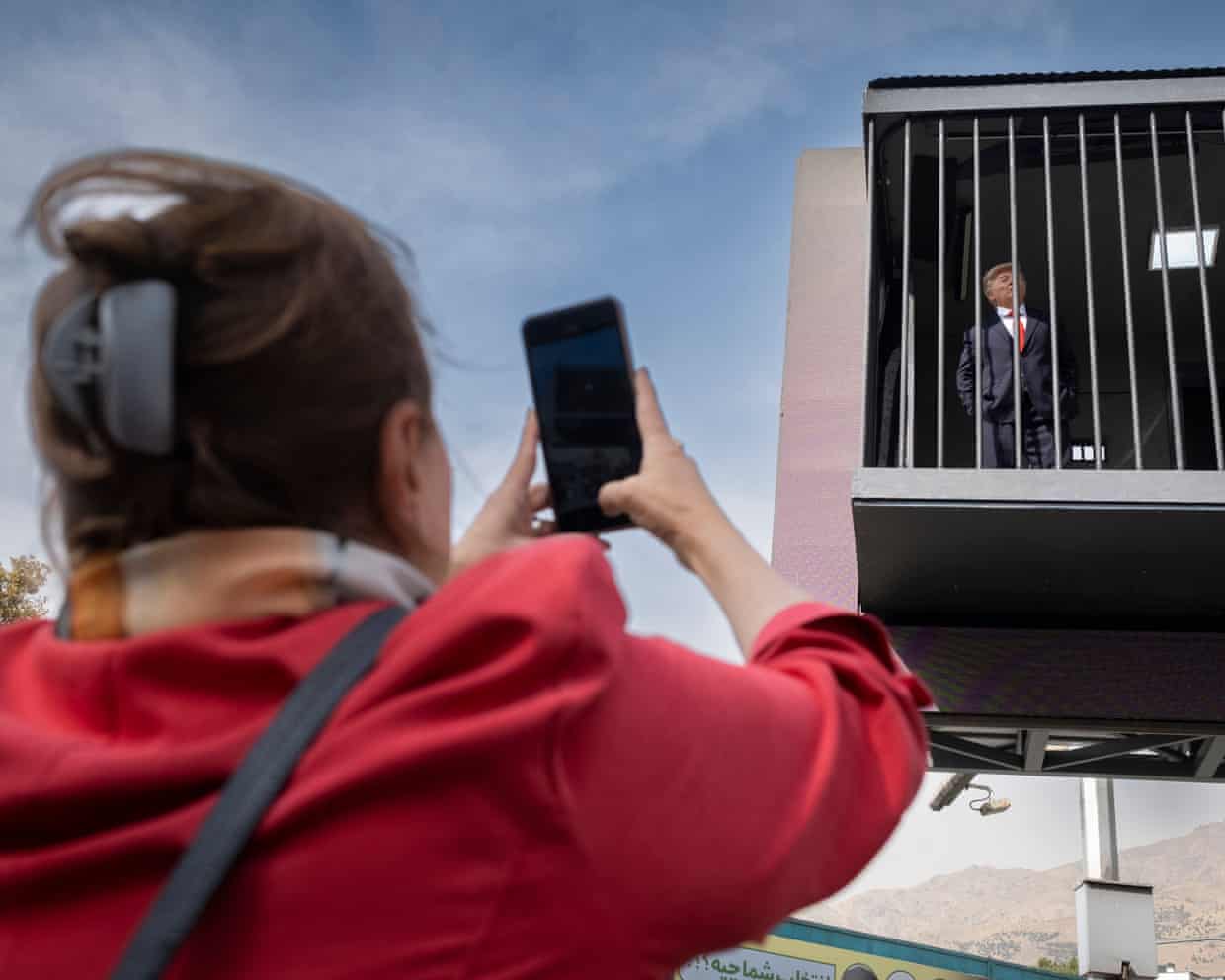
Tom Barrack, Donald TrumpâÂÂs envoy to Turkey and wider counsellor to the president on the Middle East, in remarks in Doha last week highlighted these threads, admitting the war on Iran launched by his president and Israel in late February had brought unexpected consequences, turning âÂÂcamp fires into forest firesâÂÂ.
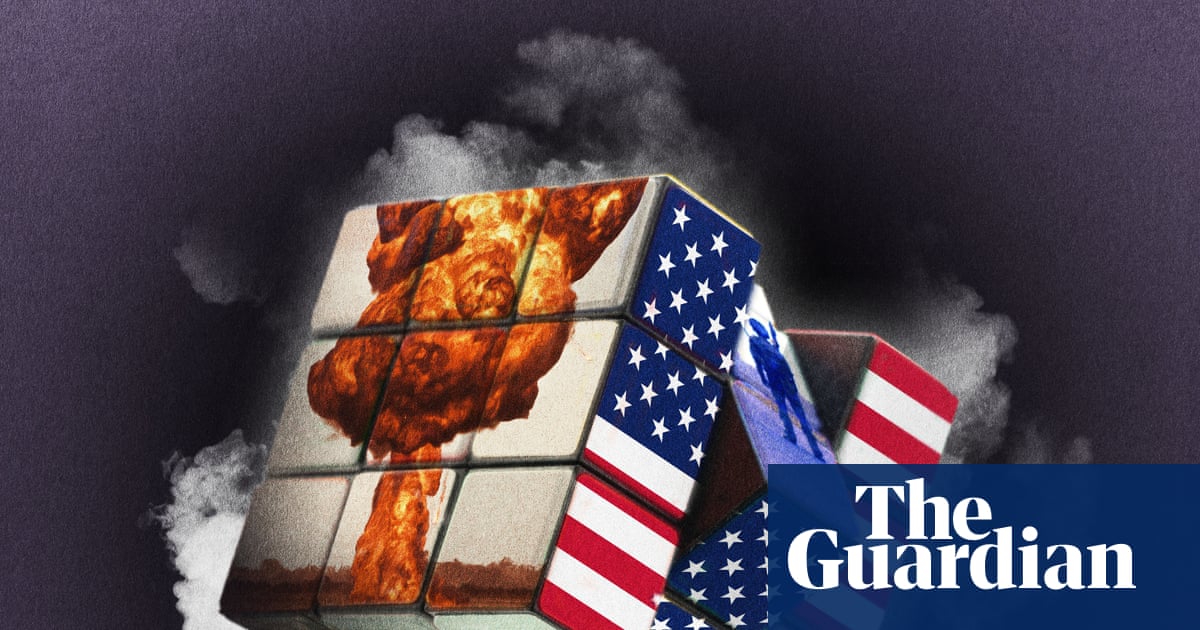
He likened the Middle East to a RubikâÂÂs Cube, whereby a single move can inadvertently affect the whole picture. âÂÂWhen you adjust one thing in the region what we have seen is everything then changes. Those unintended consequences, and the sequential pace of what is happening, is unexpected,â said Barrack.
He then admitted: âÂÂWe started trying to do something with our allies in Iran that spread through Hamas, Hezbollah, to six Iranian militias, the Houthis and is now going to north Africa. So where does it stop? How much does this US intervention help or hurt?âÂÂ
Without breaking from Trump, he answered his own question pretty unambiguously. âÂÂWe have had 23 regime changes take place across the greater Middle East and Levant instituted one way or another by some American hand or influence, and none of them have worked.
âÂÂEvery time we try to intervene and change the person or the regime, it seems to have been a mistake,â Barrack said, pointing to Iraq, Libya and Afghanistan, but discreetly omitting Iran.
Deep tectonic transformations
So it is easy to blame what has gone wrong on excessive interventionism and failed multilateralism.
In his new book, the American international relations expert Charles Kupchan explains: âÂÂThe world is experiencing deep tectonic transformations. Power is rapidly diffusing across the international system, decentering global politics and reawakening great power competition.
âÂÂAt the same time the advance of the digital era is eroding the social contract of the industrial era producing massive socioeconomic disruption that is affecting political life inside nations as well as relations among them.âÂÂ
Trump, he argues, is a symptom of a trend that is systemic and widespread.
But it is also hard not to believe that in this interconnected world the disruptive damage that a capricious, vain and amoral US president can inflict has grown tenfold, and that is what we are experiencing. World disorder meets personality disorder.
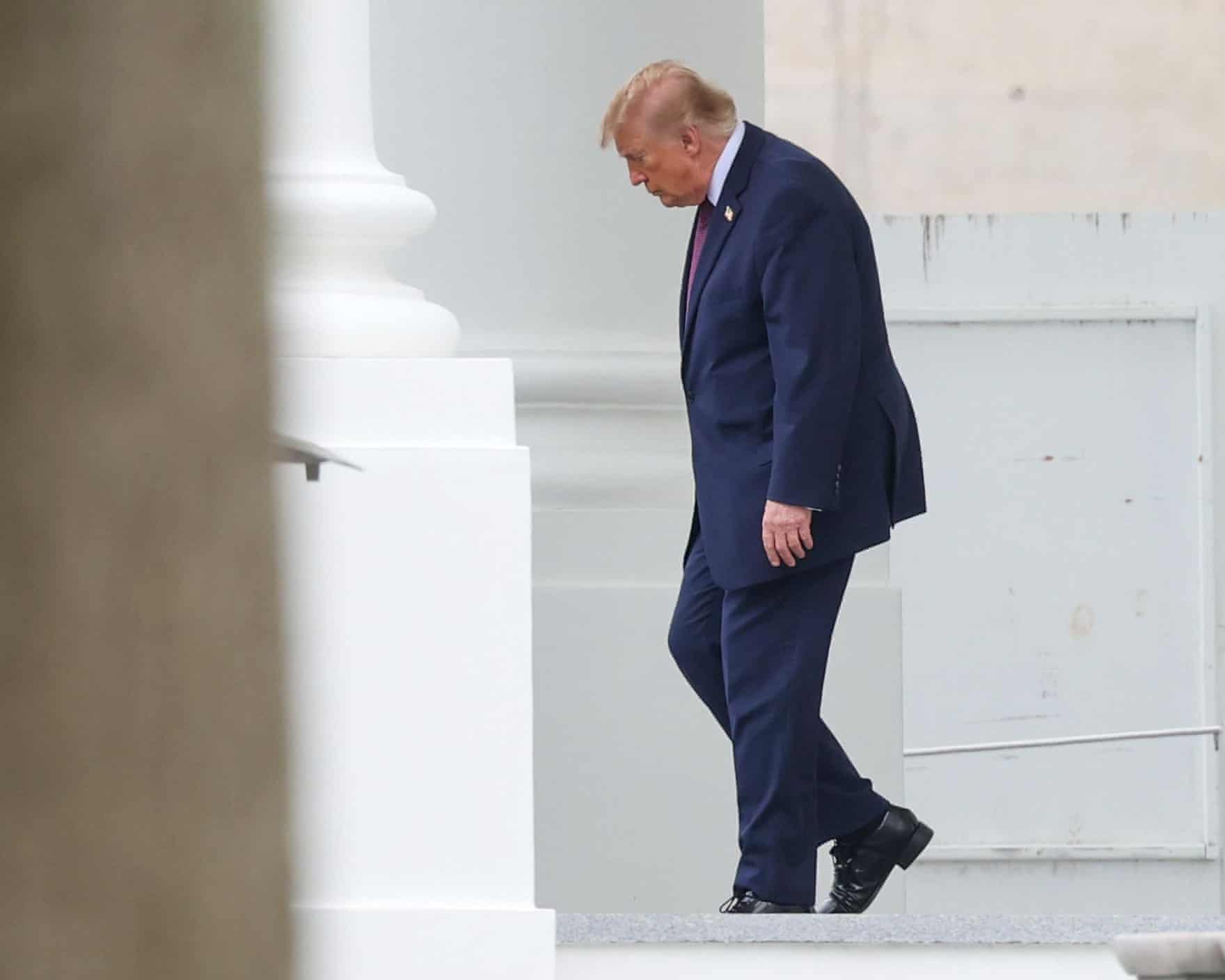
The Iran war, for instance, as Barrack implied, remains TrumpâÂÂs most consequential and most mysterious mistake, and its repercussions reverberate across the world. Any US president would have had to address the Iran issue, itself a product of system failure, the inability of the multilateral system to incorporate and change Iran. But the way in which the Iran issue was addressed is down to Trump, and his psyche.
The Democratic candidate for senate in Michigan, Abdul El-Sayed, put it simply: âÂÂEverybody could have told you this is a dumb idea. There was really only one person in the whole world who had a 40-year project to get us to fight this war. HeâÂÂs a prime minister of another government [Netanyahu]. And he finally found the dumbass who was willing to do it.âÂÂ
The foreign minister of Oman, and mediator in the February Iran-US talks, speaking in Cambridge this week reminded his audience an agreement on the core issue â IranâÂÂs nuclear programme â had been within reach before the bombing started.
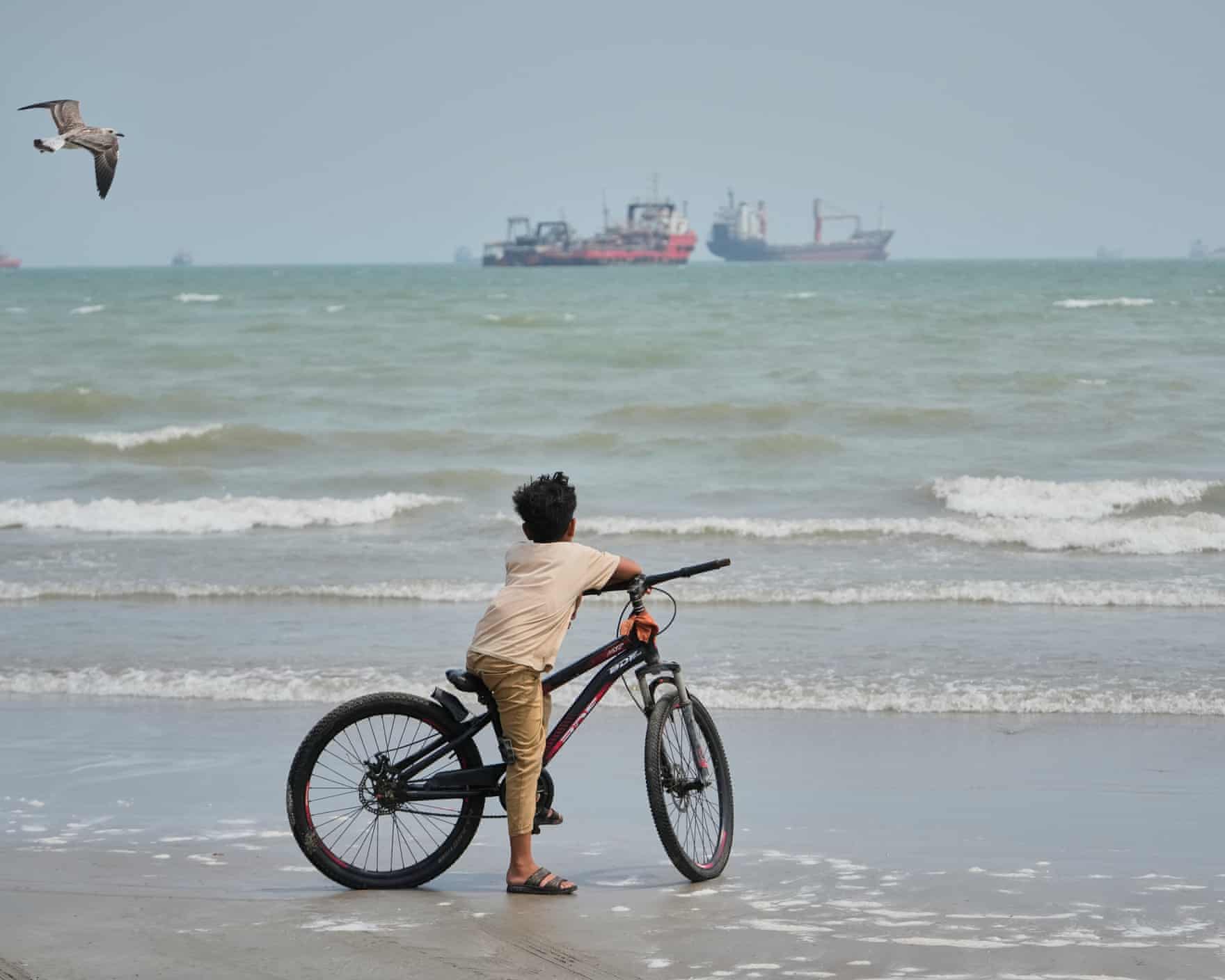
On every test the war has been a catastrophic failure, whose consequence keeps spreading beyond its initial boundaries, pushing worldwide inflation to 4%. The strait of Hormuz, a waterway open to commercial traffic for centuries, has become an Iranian bargaining chip. Less than a fortnight before the midterms, the price of Brent oil per barrel reached $117 â 50% higher than prewar levels.
The GDP of Saudi Arabia, the Middle EastâÂÂs economic powerhouse, is forecast by the IMF to contract 3.3%, a five percentage-point downgrade from the 1.7% growth forecast issued only in July.
As the House of Saud analysis explains: âÂÂThe countryâÂÂs Vision 2030 plan was constructed as a hedge against oil-price volatility. It assumed open sea lanes, functioning airports, and a US security umbrella that would deter kinetic threats to the kingdomâÂÂs export infrastructure. Every one of those assumptions has failed since February.âÂÂ
On 30 September, Saudi ArabiaâÂÂs government felt forced to raise its 2026 budget deficit projection to $65.3bn, 48% above the original forecast.
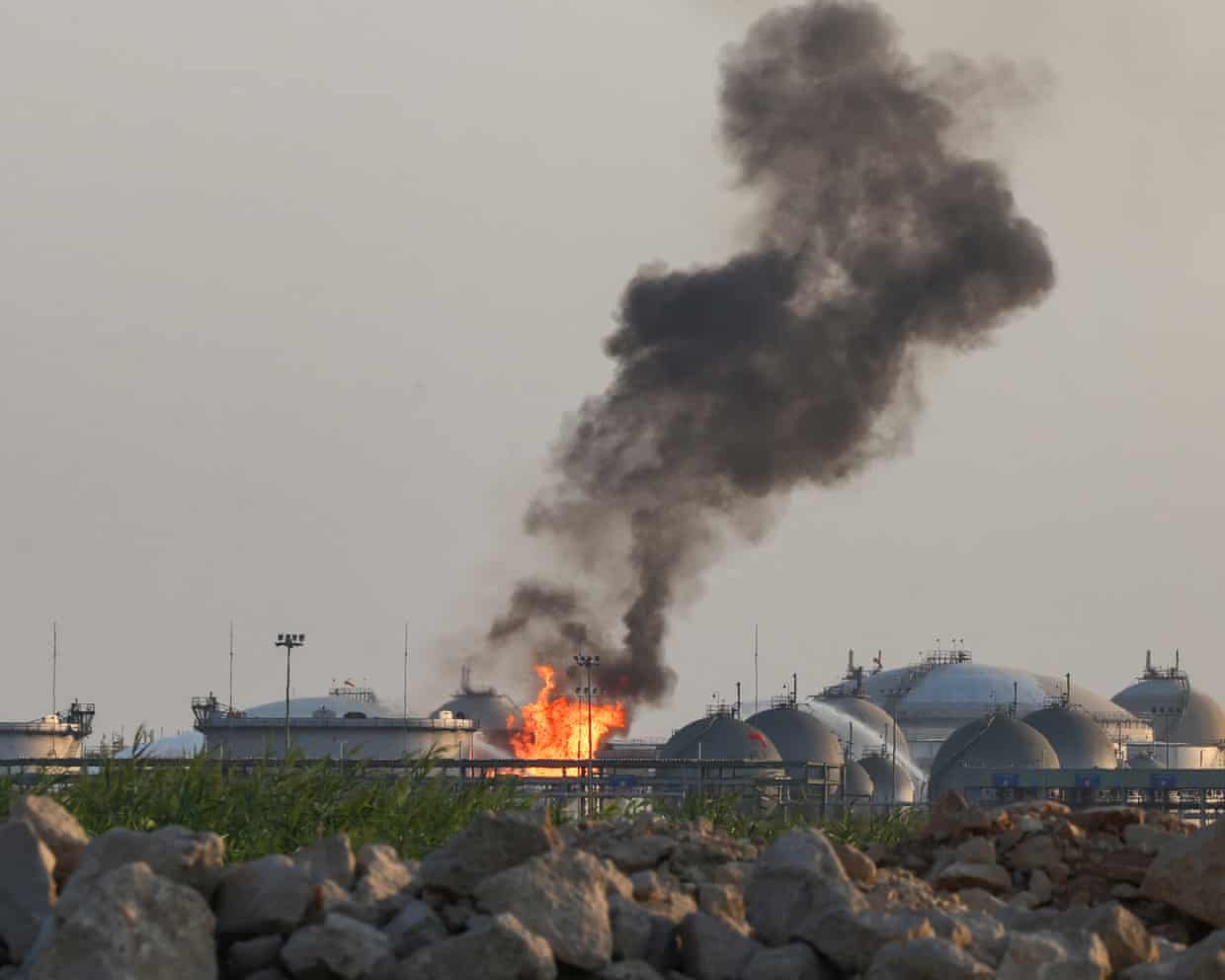
Nor did the conflict lead to a more stable Iran. The Iranian with most strategic nous, Ali Larijani, was blown up on the first day of the war. Hardliners around the new supreme leader, Mojtaba Khamenei, are more entrenched than ever. If anything the public debate inside Iran leans towards ending the fatwa on possessing nuclear weapons.
Regardless of the nuclear issue, after being attacked twice mid-negotiation, the Islamic Revolutionary Guards Corps has already adjusted its defence doctrine to allow for preemptive strikes not just against US bases, but across the globe. âÂÂPeople can hurt us from a distance, and it doesnâÂÂt cost a fortune to be able to do so,â Tony Radakin, the UK chief of the defence staff, admitted.
Then there is the incoherence and lawlessness of the US-Israeli actions in Iran. Benjamin Netanyahu, spoiling to attack Iran for a third time in two years, wanted to order âÂÂthe IDF, Mossad, and the security servicesâ to âÂÂoverthrow the regime in IranâÂÂ. The Americans focus was on nuclear weapons.
The chaos has left TrumpâÂÂs domestic popularity in ruins. Yet as Dean Acheson, Harry S TrumanâÂÂs secretary of state, asserted: âÂÂ80% of the job of foreign policy is the management of your domestic ability to have a policy.âÂÂ
Henry Kissinger said: âÂÂThe acid test of policy is its ability to obtain domestic support.â A foreign policy has to be constructed to win popular backing and this one was not. As a result Trump feels entrapped, circling around solutions that failed before, making him ever more irascible and random.
The Republican pollster Karl Rove claimed Trump, as a result, âÂÂcame across more as a heckler at a UFC match than as a reassuring wartime commander-in-chief. The more undisciplined the White House messages on war and the economy, the more at risk GOP candidates will be.âÂÂ
Faced by the plunging poll numbers, incensed by IranâÂÂs refusal to submit, incapable of self-criticism, Trump took the plunge and tried to deflect responsibility for high energy prices to a second theatre of war â UkraineâÂÂs attacks on Russian oil refineries.
Trump flung open the floodgates of his hatred for UkraineâÂÂs Volodymyr Zelenskyy that he first released in 2025 only for European leaders, and domestic pressure, to force them shut again.
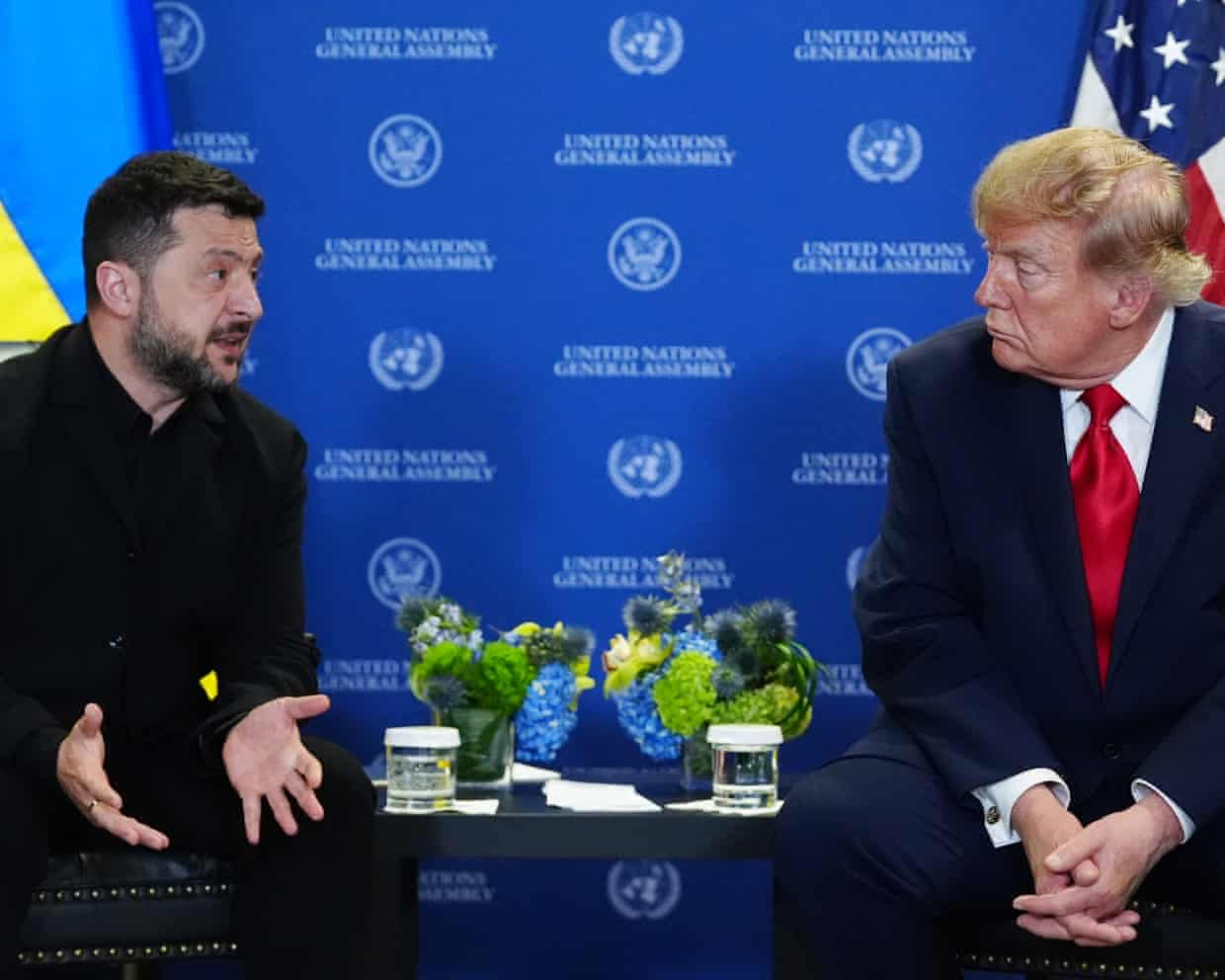
The pent-up bile has poured out as he demanded Zelenskyy stand down, describing him as the real impediment to peace, and a new era of Russian US business cooperation.
But even in treachery the incompetence of the White House shone through.
Trump first announced an entirely fictional 60-day âÂÂenergy truceâ that neither Zelensky or Putin had agreed. Then the deal to release Russian diesel emerged to be so small that no serious commentator said it would have a serious impact on the US prices.
As to why Ukrainian forces were suddenly deprived of their previous levels of access to the military-grade version of Elon MuskâÂÂs Starlink, the US administration gave conflicting accounts over the rules that govern such systems, and what actually happened.
Even after the decision was supposedly reversed, some blamed a freelancing Musk, the billionaire owner of the system, implying a private company could determine the conduct of a putative US ally. Others, including the vice-president, JD Vance, said contractually Musk would have required the permission of the White House or the military to act. Musk said the Ukrainians had breached the terms of the Starlink contract by using it to attack Iran.
The Ukrainian author Illia Ponomarenko wrote: âÂÂThere have, of course, been times in human history that were even darker and more terrible. But never, it seems, have there been times so despicable and, above all, so stupid.âÂÂ
TrumpâÂÂs intervention and his intertwining of these two wars has given the Russians the chance to pounce by proposing a three-way China, Russia and US great power summit at an already scheduled meeting in Shenzhen, China, on 18 November.
To make this more appealing to Trump, Putin sent his veteran foreign minister, Sergei Lavrov, on 19 October to Tehran for the first time since the Iran war broke out to see if he could bring the conflict to an end on terms Trump could tolerate.
âÂÂThe more Putin can persuade Tehran to move closer to TrumpâÂÂs demands, the more concessions he can extract from Trump on Ukraine,â the Russia affairs analyst Amir Chahaki said. The Russian ambition is to use TrumpâÂÂs difficulties to end the two wars â Ukraine and Iran â together, largely on Russian terms.
Trump is taking steps to help Putin, including by shedding his status as an international pariah, overruling the objections of some in his own party by inviting Putin to this winterâÂÂs G20 summit, which the US is hosting at a Trump golf club just outside Miami.
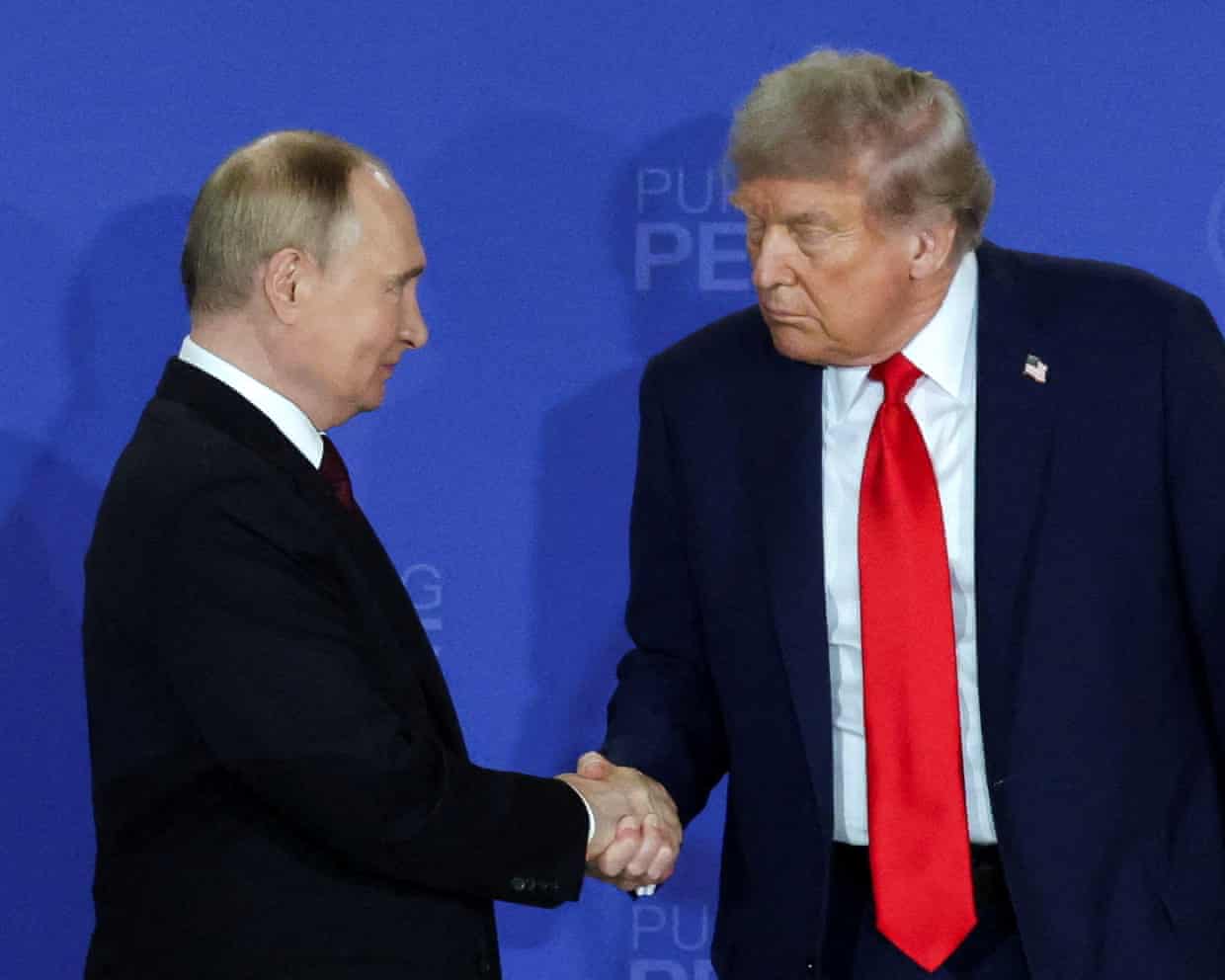
Quite why Trump feels so certain of PutinâÂÂs good intentions is a mystery, one that no one can unravel. David Frum, a former speech writer for George W Bush, posits it is a function of TrumpâÂÂs decline. Trump was âÂÂmuch more of a self-aware conman when he entered politics a decade ago than he is now. He now may be kind of lost: truly in a world of illusions, where he no longer himself knows what is true and what is a lie.âÂÂ
Waking up to Trump
But there is a consequence to all this. More and more countries are finally waking up to dangers of being excluded and abused by the US. The former Canadian foreign minister Chrystia Freeland admits it has taken a long time.
âÂÂThere are leaders, thinking Trump is stupid, that decided: âÂÂI can win this guy over. I can give him the shiniest prize. I can give him a gold watch thatâÂÂs encrusted with diamonds. I can flatter him in the most outrageous way.âÂÂâÂÂ
For instance, Saudi Arabia offered gifts to Trump, and in return they have been left alone to fend off the attacks by Houthis that senior UN diplomats insist is entirely driven by a timetable that meets IranâÂÂs needs.
In particular, TrumpâÂÂs effort to deflect his Iranian disaster on to a largely innocent Ukraine has had a lethal effect inside Europe. The continentâÂÂs leaders are aghast at the gap between themselves and Trump on Russia.
Where Europe sees an existential threat, Trump sees a business opportunity. What is worse is that his pro-Russia rhetoric threatens the centreâÂÂs own political survival by feeding the populist narrative about the draining cost of Ukraine making lives unaffordable.
The torrent of propaganda about âÂÂpeace with Russiaâ led the German chancellor, Friedrich Merz, to exclaim: âÂÂMy biggest concern at the moment is not our economy, not the USA or China, but RussiaâÂÂs influence on our society.âÂÂ
As a matter of self-protection, European leaders have no choice but to articulate their differences with Trump. As a result, they have had to become explicit in blaming the Iran war for the squeeze on living standards and to ask the rioters to criticise not them but Washington.
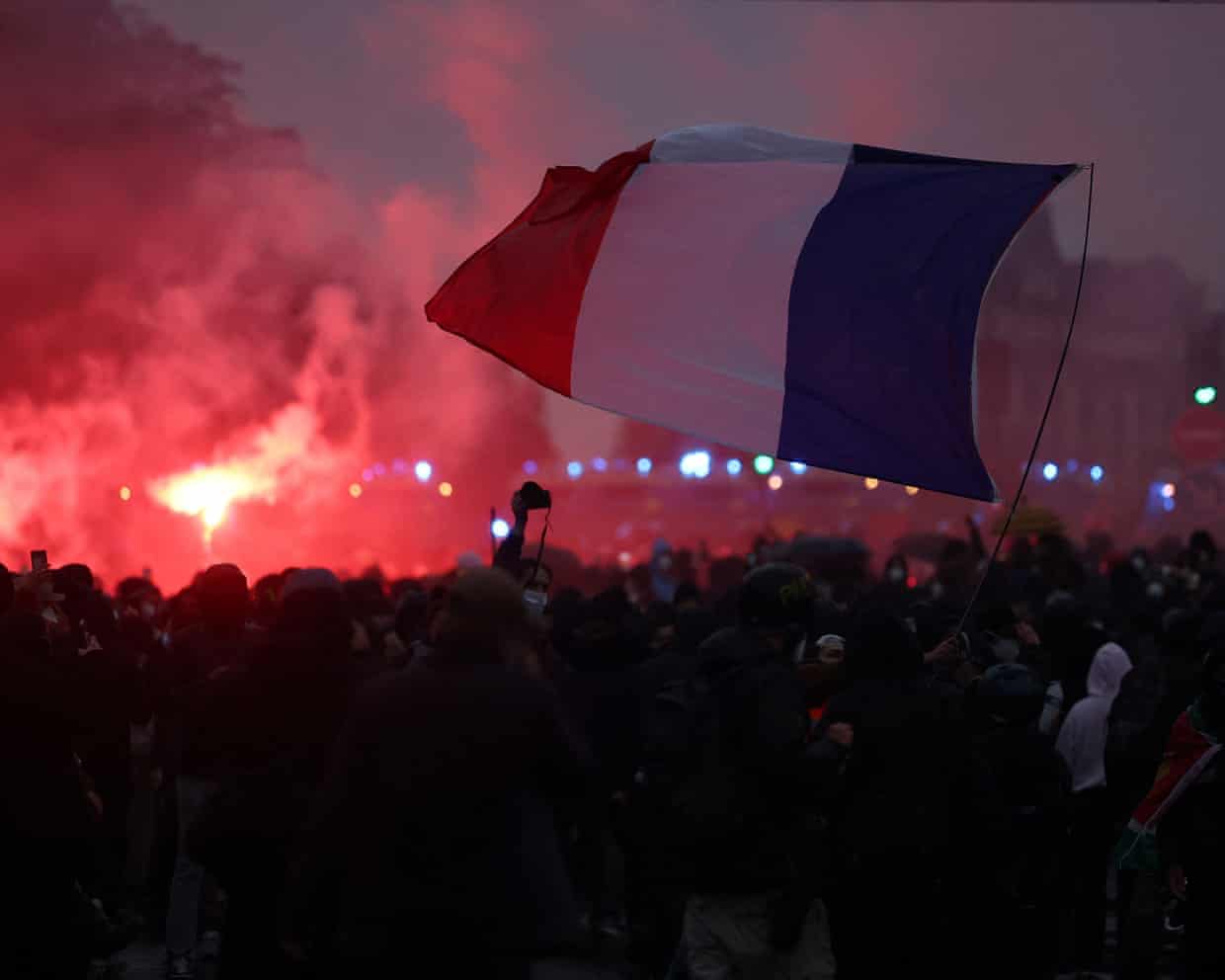
For instance, Emmanuel Macron, the French president, told the rioters that their anger about the cost of living was legitimate: âÂÂDemonstrators expressed concern about the cost of living and the price of fuel. Both are driven by the conflict launched in the Persian Gulf, a conflict in which France has taken no part but whose consequences we are suffering.âÂÂ
The Polish prime minister, Donald Tusk, in his parliament admitted fuel prices for ordinary people were âÂÂdevilishly expensiveâÂÂ, but added that the Donald responsible for this was not him but Trump, the hero of the Polish opposition.
The second knock-on impact is that MuskâÂÂs meddling with SpaceX has made it even more apparent to Europe that it has to end its debate on digital sovereignty and instead regulate to reduce its future dependence on US technology.
Freeland predicts: âÂÂCountries are going to think really hard before they buy another F-35 controlled by the Pentagon. Why would you want a jet that Americans control?âÂÂ
The European Commission in May proposed reserving 70% of the 2GHz frequency spectrum, which allows smartphones to connect directly to satellites, for European enterprises, thus restricting access for players such as Starlink. Deutsche Telekom, Orange, Vodafone and Telefónica are already lining up to make the bid, prompting US diplomatic protests.
The Polish foreign minister, Radosà Âaw Sikorski, accused Musk of digging his own grave in Europe, asking why âÂÂa Ketamine-addicted trillionaire in bed with foreign powers should think he deserves regulatory privileges and frequency permissionsâÂÂ.
Similarly, some Middle Eastern powers are waking up to the threat to their sovereignty posed by a US system that consistently privileges IsraelâÂÂs priorities.
It is early days, but for a Gulf state leader to call for a Gulf security pact that includes Iran, as Badr Albusaidi, OmanâÂÂs foreign minister, did this week, is a potential Berlin Wall moment. The implication is that the US should no longer be the security provider for the Gulf.
Iran is viewed with deep suspicion across the Gulf, and Albusaidi admits his proposal is counterintuitive. But, as his team says, âÂÂwar sometimes just happens; peace is always causedâÂÂ.
Either way, at a time when people have lost faith in the problem-solving capacity of postwar institutions, itâÂÂs critical that those who believe in the efficacy of collective action and diplomacy show they mean it.
After three years of havoc and war, they finally need to take back control from the demolition men.