Andrew Hastie says AI advised him to reply âÂÂcongratulations!â to man who planned to end life with assisted dying
Liberal MP speaks of AIâÂÂs shortcomings as cyber chief tells inquiry the tech is needed to fend off âÂÂhighly capable malicious cyber actorsâÂÂ
-
Get our new political email, free app or daily news podcast
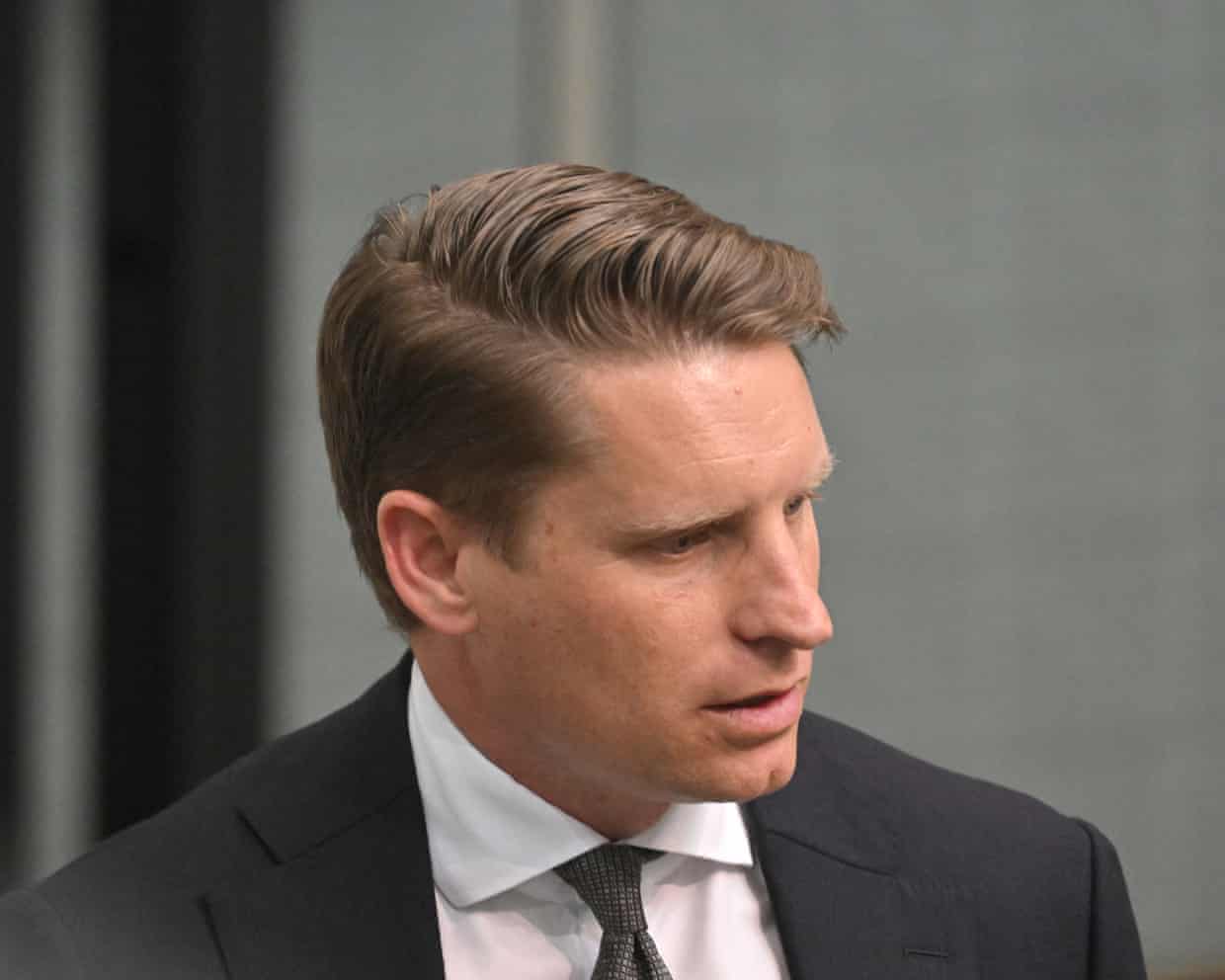
When a man with a terminal illness wrote to his local MP Andrew Hastie, telling him he planned on ending his own life with voluntary assisted dying, Microsoft Copilot suggested Hastie reply with âÂÂcongratulations!âÂÂ, âÂÂgreat to hear from youâ or âÂÂthat is wonderful news!âÂÂ.
Hastie shared the episode at a parliamentary inquiry on Friday to underline the shortcomings of the American-run software as he called for AI run by Australians.
The hearing offered the some of the most detailed explanations of the Albanese governmentâÂÂs desire to bring Anthropic and OpenAI to Australia, in the face of calls to slow them down or shut them out.
The defence establishment told the inquiry that cutting the companies out could be catastrophic.
Abigail Bradshaw, the director general of the Australian Signals Directorate, said her agents needed advanced AI every day to fend off âÂÂhighly capable malicious cyber actorsâÂÂ.
âÂÂIf a digital adversary has access to newer, more capable models than we do, they may be able to identify and exploit vulnerabilities in systems and networks before we can identify them,â Bradshaw said.
But AustraliaâÂÂs top cyber-intelligence agency is âÂÂentirely reliantâ on US-housed processing and would âÂÂdramaticallyâ lose capability if cut off in a conflict, Bradshaw said.
The defence departmentâÂÂs chief AI officer, Chris Crozier, said the government was already trying to keep its tech needs local, contracting Google to build a series of interlinked datacentres spread across the country and disconnected from the US.
âÂÂSomebody canâÂÂt wake up and have a bad day and decide theyâÂÂre going to turn it off,â Crozier said.
âÂÂWe do not want to be using AI tool sets that are located offshore ⦠we want the compute, we want the application, we want the data, we want the decision making, all based in Australia.âÂÂ
Bringing big tech into the country would make the job much easier, he said, and not just by allowing the army to protect and maintain its datacentres.
The Office of AI, set up in the prime ministerâÂÂs department, said bringing firms under Australian law would make it easier for local law enforcement to combat threats on the platforms.
Tight conditions on access could also materially improve AustraliaâÂÂs chances of using and defending itself with the best AI tools in the world, the inquiry heard.
âÂÂWe will get more assured access, earlier access, more detailed technical access, and better integration with technical experts at the frontier,â Bradshaw said.
These would be assured by strict requirements on any top developers looking to train models in Australia, such as demanding government oversight and early access to advanced models, she suggested.
The government is already planning to set the rules for companies that come here. It is consulting on standards that would force AI companies to report issues and breaches and potentially reserve some computational power for local research.
Large datacentres will have to engage with communities, build away from schools and homes, and underwrite new renewables in most states.
Another pillar of the standards â copyright law â is yet to be settled, with AI developers refusing to train models here without law reform.
A proposal to give the companies access to everything Australians create online by default sparked a wave of backlash from creatives, who say the companies could pay for local licensing deals to access Australian content.
But Jenna Priestly, the assistant secretary at the attorney generalâÂÂs department, on Friday confirmed looser copyright laws would also affect AI access to foreign-made content distributed in Australia.
She said the companies wanted to train models on âÂÂmaybe billionsâ of pieces of information and claimed it was practically âÂÂimpossibleâ to make deals with every rights holder.
âÂÂAs AustraliaâÂÂs copyright framework protects not only copyright material thatâÂÂs Australian in origin, but worldwide, I think it is a fairly large number that [companies] would need to go and strike deals with,â Priestly said.
The Greens senator David Shoebridge, who is among those fighting calls for copyright reform and demanding a pause on AI development, on Friday said Labor had refused him a seat on the inquiry committee.
Labor ministers have spent the week meeting with OpenAIâÂÂs vice-president, and AnthropicâÂÂs special envoy Jeff Bleich, who this week suggested Australia had just months to bring in effective regulation.
The attorney generalâÂÂs department told FridayâÂÂs hearing the shape and timing of any copyright reform was yet to be decided. But the prime ministerâÂÂs department said Anthony Albanese wanted draft laws on the broader AI standards by the end of 2026.
AustraliaâÂÂs chance for influence on and special access to the models could be at risk by a delay, Bradshaw said.
âÂÂDecisions around training are a matter of urgency,â she said. âÂÂI think it is inevitable that those providers will look at other places to locate.âÂÂ