An extraordinary life: descendant welcomes biography of woman âÂÂgiftedâ to Queen Victoria
A girl called ÃÂìná was captured by an African king and later taken to England to become Sarah Forbes Bonetta, protege of the imperial monarch
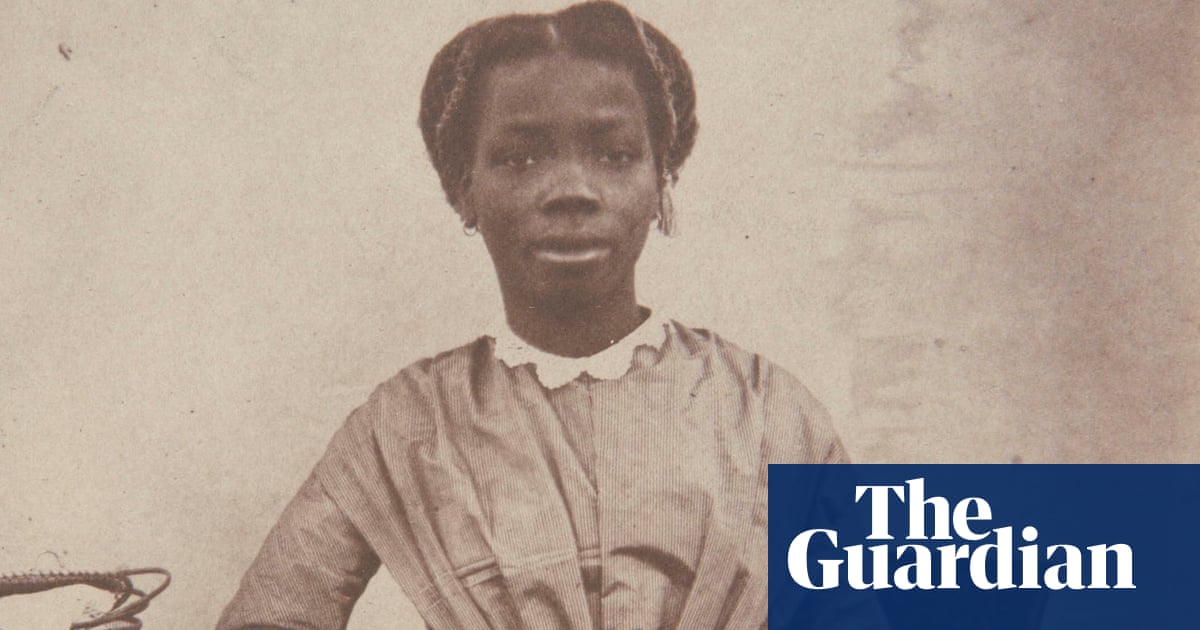
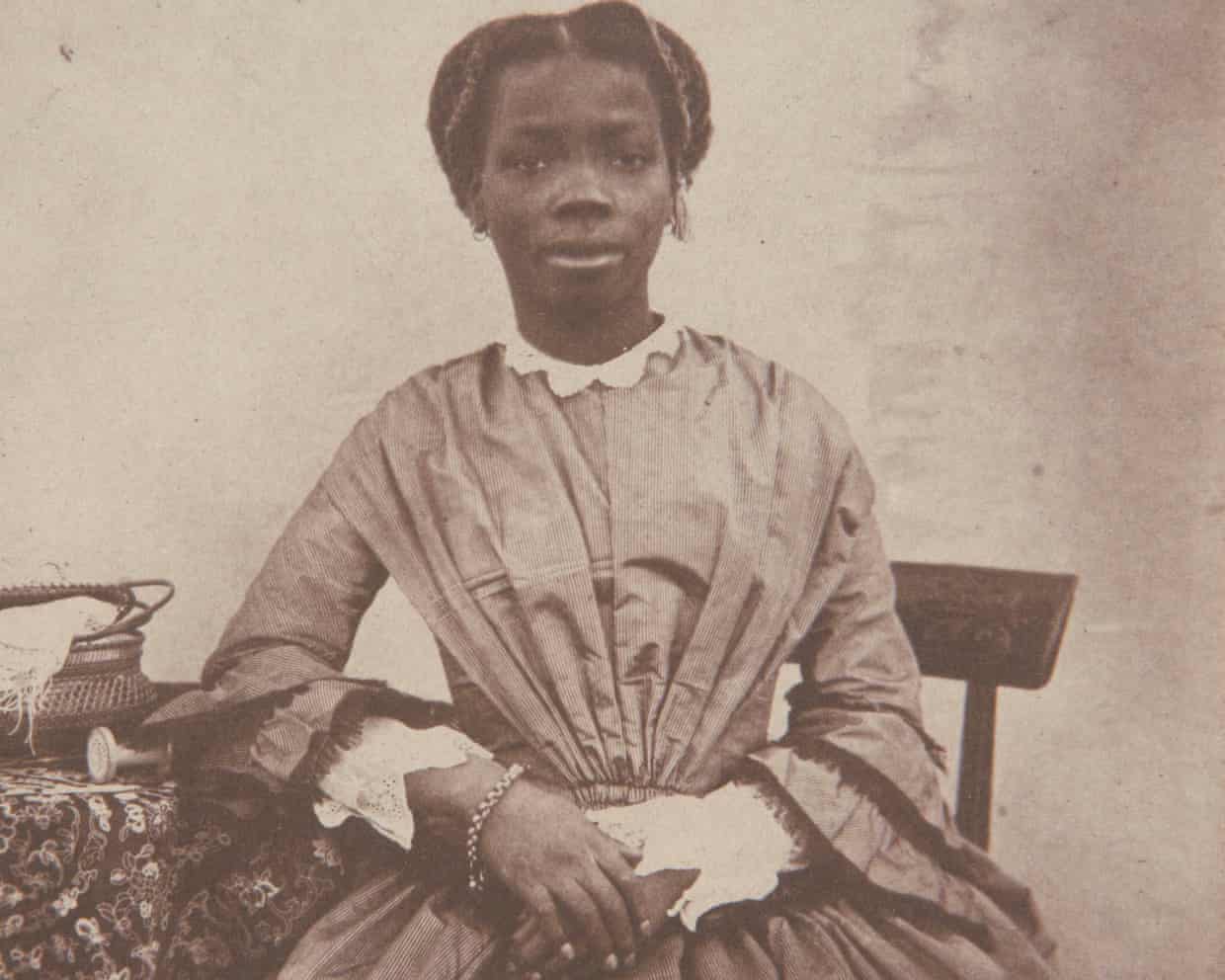
When she was seven years old, Bayo RandleâÂÂs great-great-grandmother Sarah Forbes Bonetta was presented to Queen Victoria at Windsor Castle as a âÂÂdiplomatic giftâ from an African king.
Victoria would go on to pay for BonettaâÂÂs education, approve her marriage to one of west AfricaâÂÂs wealthiest men, and become godmother to her eldest daughter.
But while Victoria took a genuine interest in BonettaâÂÂs welfare, making the orphan a royal protege and meeting with her over the years, their relationship was part of a bigger agenda.
Now, as a biography is published â Becoming Sarah Forbes Bonetta: A Yorùbá Woman in Queen VictoriaâÂÂs Court â Randle has spoken of his family history.
âÂÂI donâÂÂt think a human being, who has agency, could be âÂÂgiftedâ from one to another, but had she not been gifted to Queen Victoria, would I be here today?â said Randle, a British-Nigerian barrister from London.

The new book, by a Canadian academic, Prof Henry Lovejoy, charts how Bonetta was brought to England by Frederick Forbes, of the Royal NavyâÂÂs West Africa Squadron, which was set up to enforce the abolition of the transatlantic trade.
Born in 1843 in ÃÂkè-ÃÂdàn, south-west Nigeria, Bonetta was originally called ÃÂìná. Her family was killed in 1848 when her town was attacked by King Ghezo of DahomeyâÂÂs forces.
Bonetta, then five, is believed to have been captured by the agodjié â the all-female regiment depicted in the Hollywood movie The Woman King â and held at King GhezoâÂÂs court.

In 1850, Forbes went to Dahomey â which is now Benin â to petition Ghezo to sign an anti-slavery treaty. The mission failed but Forbes asked Ghezo if he could take Bonetta to England.
Bonetta would go on to live a life of renown, becoming one of the most artistically represented and widely reported African women of her time. But she was never truly free.
LovejoyâÂÂs book describes how, before Forbes arrived in England with her â giving her his own name and that of his ship, the Bonetta â he petitioned for her to be âÂÂthe property of the crownâÂÂ.
This meant Bonetta was âÂÂeffectively indentured to Queen Victoria until age 19â under the post-abolition legal structures, Lovejoy said. Bonetta was then married off to James Pinson Labulo Davies, a merchant and philanthropist, of whom she would write: âÂÂI donâÂÂt feel a particle of love for him.âÂÂ
LovejoyâÂÂs research for the website liberatedafricans.org, developed with Kartikay Chadha, documents how, after abolition, more than 700,000 Africans âÂÂliberatedâ from enslavers were forced into indentures of up to 14 years âÂÂto pay for the cost of their own freedomâ by governments including BritainâÂÂs.
Lovejoy claims Bonetta was at the elite end of this bonded labour system, âÂÂeducated to be a missionary who would Christianise AfricaâÂÂ. In her lifetime her image was exploited as imperial iconography, promoting the idea that British colonialism of Africa was a âÂÂcivilising missionâÂÂ.

Lovejoy, of the University of Colorado Boulder, said: âÂÂSarahâÂÂs imagery was used to project the idea of the queenâÂÂs benevolence â at a time when âÂÂliberatedâ Africans are being forced into indentures.âÂÂ
Nonetheless, when Bonetta attended the 1858 wedding of Queen VictoriaâÂÂs daughter, the Princess Royal, American abolitionists saw it as proof that Victoria, then the most powerful woman on Earth, believed in equality.
For Randle, a plaster bust of Bonetta sculpted in 1851 by Benedetto Pistrucci, the Royal MintâÂÂs chief engraver, symbolises the storyâÂÂs âÂÂdualityâÂÂ. Randle saw it last year after Lovejoy had tracked it down to a private family collection in his research.
âÂÂWho gets to see what their great ancestor looked like as a child, the cultural markings on her face? That is amazing. But at the same time it was a bust prepared for phrenological purposes, within a racist framework, where [Bonetta] was shown as an âÂÂexcellent specimenâÂÂ,â Randle said.
Randle first learned his family history from his father, Adekunle Randle, a retired lawyer. The family still has the engraved goblet and plate that Queen Victoria gave to BonettaâÂÂs daughter, Victoria, who, with the queenâÂÂs help, was educated at Cheltenham ladiesâ college.
LovejoyâÂÂs book challenges the myths that Bonetta was a Yoruba princess, that she herself was Queen VictoriaâÂÂs goddaughter, and that she spent most of her life in England.
Randle, 37, who maintains his familyâÂÂs ancestral ties with ÃÂkè-ÃÂdàn, welcomes research into Bonetta, who was a gifted linguist, musician, travel writer, educator and leading woman in 19th-century Lagos, until her death from tuberculosis in Madeira in 1880, aged 37.
âÂÂWhether [LovejoyâÂÂs] book is comfortable for me is beside the point,â Randle said. âÂÂItâÂÂs for the advancement of knowledge and how we learn from the past. Where the real discomfort lies is in what [Bonetta] was the symbol of, what she was used for.
âÂÂBut it would be a mistake to paint her story as entirely tragic,â he added. âÂÂMy great-great-grandmother was very capable, courageous and dignified through adversity â through the trauma of losing her family, being displaced, and changing like a chameleon to fit into a culture so alien from what sheâÂÂd known, she thrived. She is an early example of Black Britain.âÂÂ