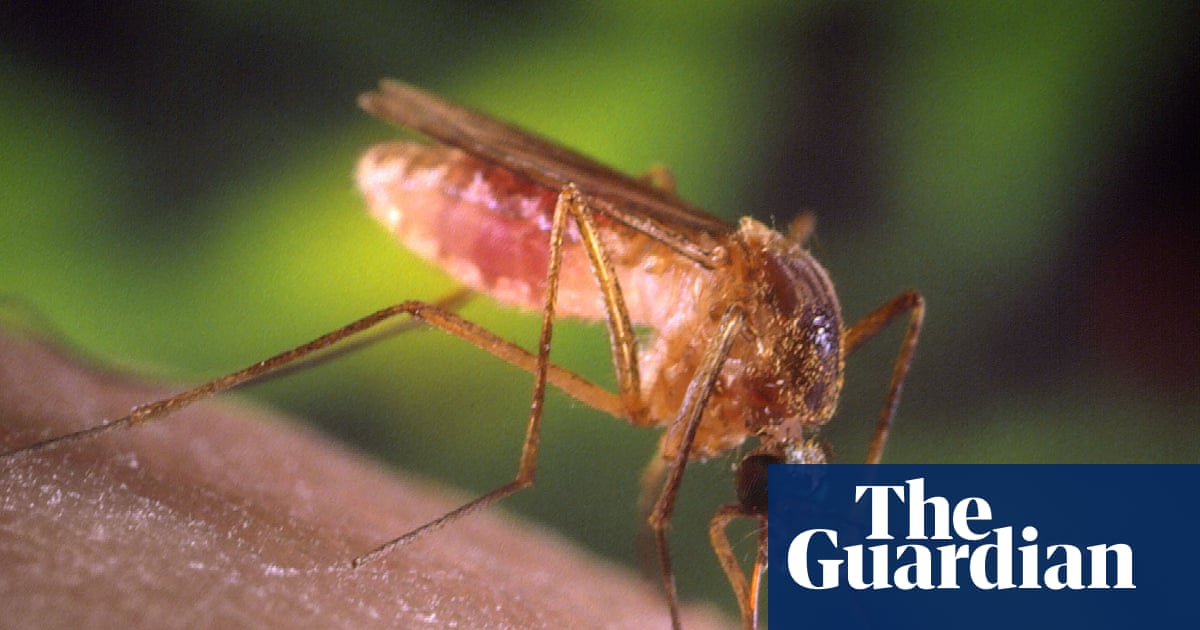

âÂÂA living hellâÂÂ: how Los Angeles got taken over by mosquitoes
Heat and humidity have led to one of the worst mosquito years in recent history, with West Nile virus at a decade high
Los Angeles might be best known for blue skies, beaches and film premiers â but for the last several years itâÂÂs held another, unenviable distinction: the most mosquito-infested city in America.
And this year has been especially nightmarish, thanks to a series of heatwaves and an extra-powerful El Niño. Locals have called it a summer of âÂÂliving hellâ as clouds of mosquitoes swarm backyards and leave diners at open air patios scratching their ankles.
That double whammy of heat and humidity is making 2026 one of the worst mosquito years in recent history, causing a spike in cases of West Nile virus and raising fears that the nuisance bugs could spread other diseases including dengue, brought in by travelers. With moisture in this weekâÂÂs forecast and overnight temperatures likely to stay above 50F (10C), there seems to be no end in sight for a problem that local authorities have struggled to contain for the last decade.
âÂÂIâÂÂve been here my whole life and the amount of mosquitoes IâÂÂve seen this summer has been insane,â said one TikTok user in a video with more than 20,000 likes. âÂÂEveryone is talking about them ⦠You canâÂÂt even go to your back yard. You canâÂÂt even sit in your car with the windows down. TheyâÂÂre infested everywhere.âÂÂ
Southern California residents have struggled all year to keep the winged bloodsuckers at bay. Some have resorted to sleeping in long sleeves after failing to kill off the mosquitoes that colonize their homes. Others have tried to seal off the cracks below their doors with towels.
âÂÂItâÂÂs an absolute nightmare,â Truman Hedding, an El Seguno resident, told Fox 11 News earlier this year. âÂÂWe invest a lot of money to live in a beautiful town like El Segundo. The last thing we want is to stay up all night fighting mosquitoes.âÂÂ

âÂÂA busy seasonâÂÂ
Los Angeles county has documented more than 180 cases of West Nile virus this year, according to the county public health department â the highest number in nearly a decade. And mosquito season is still far from over.
âÂÂThis year in particular for our area has been higher mosquito activity and higher disease activity,â said Anais Medina Diaz, communications director for the San Gabriel mosquito and vector control district. âÂÂWe can attribute that to some connection to the environment and how warm itâÂÂs been this year â particularly because we had a very warm winter.
Mosquito activity plummets when temperatures approach 50F overnight. But this winter was exceptionally mild, with heatwaves in February and March that allowed mosquitoes to stay active. The unusually moist and humid summer made it easier for them to reproduce.
The region has sweltered under a record-breaking heatwave since early October, although forecasts show relief on the way. But the temperatures wonâÂÂt drop low enough in most places to halt mosquito activity entirely, while coming rains will give them new places to breed.
Southern California hasnâÂÂt always been such a mosquito hotspot. The regionâÂÂs most common endemic mosquito, the Culex quinquefasciatus â often referred to by the more easily pronounceable name âÂÂquinxâ â prefers to target birds over humans. That preference exposes quinx to West Nile virus after biting birds, such as crows, known to host the disease. Infected quinx can then spread the disease to humans when they do bite them.
The Orange county mosquito and vector control district monitors disease threats with a massive array of traps scattered throughout the area. So far, some 850 of them have tested positive for West Nile virus, according to the control districtâÂÂs public information officer, Brian Brannon.
âÂÂThat doesnâÂÂt mean 850 mosquitoes â that means 850 traps full of mosquitoes with West Nile virus,â Brannon said. âÂÂWeâÂÂve had a pretty busy season.âÂÂ
The mosquito that southern Californians are most likely to notice, however, are those from the Aedes genus, which first showed up in the region back in 2014 and have proliferated ever since. Known locally as âÂÂankle bitersâÂÂ, Aedes mosquitoes target humans. Because the mosquito is new to the area and people have had less exposure, Aedes bites can leave larger welts, according to Medina Diaz.
âÂÂThey like human blood,â she said. âÂÂThey will bite you multiple times to get a full blood meal.âÂÂ

Aedes are not associated with West Nile virus, but they are known spreaders of diseases including dengue, chikungunya, Zika and yellow fever.
This yearâÂÂs moisture has especially helped the invasive Aedes thrive this year. Aedes mosquitoes can reproduce in pools of water as small as a tablespoon.
Biting back
While nowhere in southern California is truly safe from mosquitoes, the invasive Aedes is more common to suburban neighborhoods and the valleys, where peopleâÂÂs habits tend to create lots of small pools of water, such as saucers below potted plants or unattended water bowls for pets.
One of the most effective ways to combat mosquitoes, and by far the cheapest, is to eliminate those stagnant puddles of water. Local authorities spend a lot of time doing just that, but suspicion from property owners can make it difficult to do a thorough job.
âÂÂNot everyone wants us on their property, so it creates quite a hurdle,â said Angela Caranci, a scientific-technical manager with the greater Los Angeles county vector control district. âÂÂHalf the battle is convincing people weâÂÂre not trying to sell them some subscription-service pest control.âÂÂ
For major problem areas, vector control districts also spray adulticide, an insecticide that targets adult mosquitoes, diluted to a concentration of about two tablespoons per acre. Pro-active spraying is one of the reasons that West Nile cases have not outpaced 2014 numbers, despite such a mosquito-infested year, according to Brannon.
âÂÂIt doesnâÂÂt take much, but what we want to do is knock down the adults that are flying around with West Nile,â he said.
One of the most promising techniques deployed in recent years is to sterilize males using X-rays and then release them in targeted areas. Only female mosquitoes bite humans, using blood to nourish their eggs. With enough sterile males in the environment, local officials have beat back targeted mosquito populations by more than 80% at some experimental sites. ItâÂÂs a strategy long used in agriculture to control insect pests that feed on valuable crops.
But while promising, flooding the zone with sterile males remains a limited tool. It works best on the Aedes mosquitoes, who have small home ranges and whose annihilation poses little ethical concern because theyâÂÂre a non-native invasive.
But while at least three species of Aedes mosquitoes live in southern California, local authorities only have the ability to target the most prominent and best studied â the Aedes aegypti. ItâÂÂs also very expensive. An experimental program in the San Gabriel Valley cost about $30,000 to cover just 25 acres (10 hectares), Medina Diaz said. Despite its success, property owners â particularly businesses â have shown reluctance to vote in favor of raising their taxes to foot the bill for mosquito reduction, according to the Los Angeles Times.
Grab your zapper
For the moment, southern California has little choice but to start getting used to the idea that mosquitoes are likely to become a bigger part of local life. The best ways to avoid bites, other than avoiding the outdoors entirely, are to cover your skin with long sleeves and pant legs, and to use a repellent with one of the four ingredients known to actually work: Deet, picaridin, IR3535, or oil of lemon and eucalyptus.

âÂÂMost of our residents are used to not having mosquitoes, and that has now changed,â Medina Diaz said. âÂÂIf youâÂÂre going to avoid mosquito bites, youâÂÂre going to have to make wearing repellent a part of your routine.âÂÂ
Because they can reproduce in such small splashes of water, Aedes mosquitoes have a knack for sneaking their way into peopleâÂÂs homes, where they can be difficult to remove.
The first step toward clearing them out is removing all standing water, including saucers under plants. To deal with lingerers, Brannon suggests buying an electric fly swatter.
âÂÂIt looks like a tennis racket, and when you hit them, it zaps them,â he said. âÂÂItâÂÂs a very fulfilling activity. It brings a smile to my face.âÂÂ