
âÂÂA difficult lineâÂÂ: meet the editors tackling WikipediaâÂÂs arms trade pages
Volunteers and new recruits come together for âÂÂwikithonâ to put more detail about industry into public domain
âÂÂAnyone can edit Wikipedia,â the adage goes. But, it turns out, a relatively small number actually do.
What is worthy of a digital page in the worldâÂÂs largest and most-read encyclopedia is decided by roughly 270,000 active volunteers, enthusiasts who populate the online resource with information on anything from 19th-century medicine to TikTok trends. Inevitably, some subjects are sidelined â the global south, notable women â but a new batch of Wikipedian recruits are waging war on one neglected topic: the arms industry.
Last week, in a classroom in central London, two dozen volunteers huddled around laptops and free servings of vegan Ethiopian food for what is known as a âÂÂwikithonâÂÂ, an event of collective and in-person Wikipedia editing. Some were veteran editors in their 70s, others young students who had never registered an account before. But their targets include subjects such as Palantir, Project Maven and Nitro-Chem.
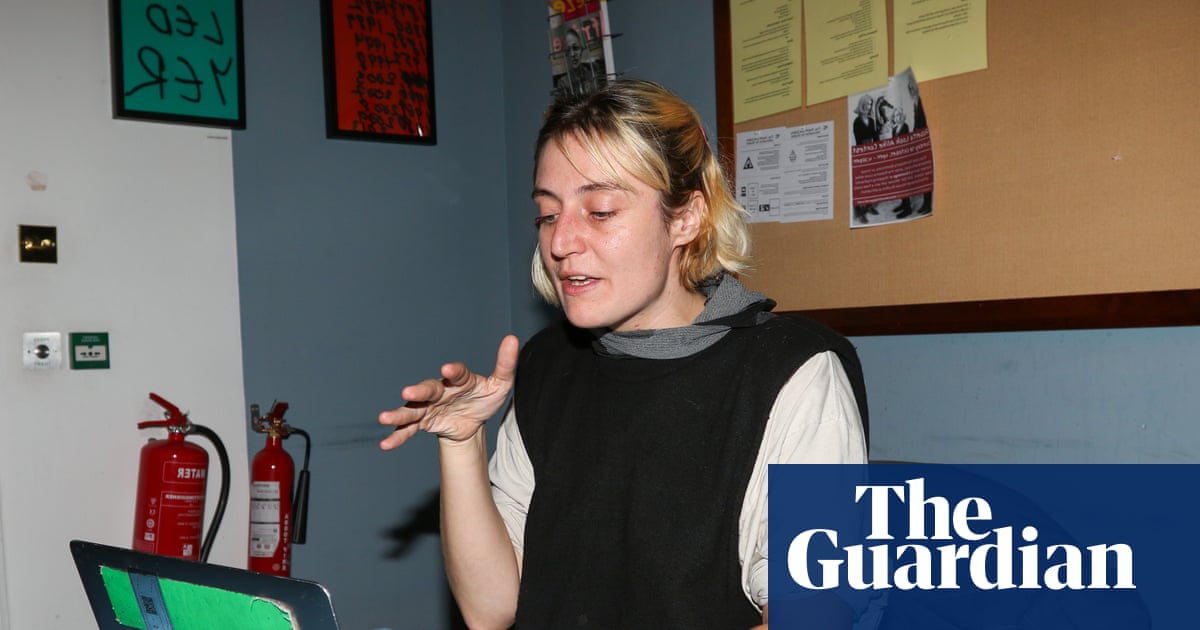
âÂÂWikipedia pages about the arms industry, in general, are not always super-detailed,â said the groupâÂÂs co-founder Agnes Cameron. The intention of the wikithon, started by fellows from the n-Space programme at Somerset House Studios, was âÂÂto put better quality and more well organised information on the arms industry in the public domainâÂÂ, the specialist technician said.

Attenders at the monthly event are trained in how to add to the internetâÂÂs most popular reference site. But while editing Wikipedia is surprisingly simple â just a few clicks to publish a change â ethical complications quickly bubble up.
âÂÂThe interesting thing about Wikipedia editing is that youâÂÂre encouraged to edit things you care about,â Cameron said. âÂÂWhat it looks like to have a conflict of interest is an interesting question.âÂÂ
Although Cameron enjoys editing pages about food in her spare time, her interests are also political. âÂÂWeâÂÂre toeing quite a difficult line,â she said. âÂÂDifficult lines are important to toe.âÂÂ
Despite personal and political reasons for wanting to spread information on arms manufacturers and sellers, finding journalistic balance means using Wikipedia in good faith. Cameron said attendersâ chosen subject matter meant that it was âÂÂreally importantâ that they followed WikipediaâÂÂs standards to the letter. âÂÂThis is not an anti-arms industry campaigning event. This is an event really about factual information on Wikipedia,â she said.

When it comes to information, WikipediaâÂÂs rules demand that no original research is included on its pages and conclusions are not drawn. The main goal of the arms industry wikithon, then, was to pull together publicly available information from other sources into one place.
Wikipedia has been repeatedly criticised for its lack of diversity in editors and its coverage. It has been accused of geographical bias towards the west, with most articles focused on the US and western Europe. Similarly, just 19% of the siteâÂÂs biography entries are for women. In 2018, the female Nobel prize winner Donna Strickland, a physicist, was deemed âÂÂnot important enoughâ for a Wikipedia entry.
With a wider range of ages, genders and racial backgrounds at the wikithon, the trainee editors were helping to rebalance the scale, said Hannah Cobb, a co-founder of the event. âÂÂThereâÂÂs a very specific idea of who edits Wikipedia ⦠that doesnâÂÂt tend to be the demographic of who shows up,â she said. âÂÂThereâÂÂs a really broad interest in Wikipedia in general. Everyone remembers that at school you were taught not to trust it because anyone could write it.âÂÂ

Previous arms industry wikithons organised by Cameron and Cobb in Manchester and London have drawn in more than 60 would-be Wikipedians at a time, including activists, journalists, Quaker members â and even CameronâÂÂs own mother.
Newcomers to the group were interested in how Wikipedia could be used to broaden public knowledge of confusing geopolitics, said Cobb. âÂÂThere is a sense of powerlessness when it comes to countering the narrative by big tech, by governments, by the military industrial complex at large,â she said.
But for the arms industry page editors, those feelings can disappear over a few hours: âÂÂWhen you write something on Wikipedia, it appears immediately on the internet. I think that experience alone is quite empowering for people.âÂÂ
Cobb spoke of a sense of wonder âÂÂwhen people realise how easy it is to actually contributeâÂÂ, but attenders have a respect for WikipediaâÂÂs commitment to rigour and quality control. And though dedicated to accuracy, the group prefers to not advertise the details of its edits over concerns that the work could be undone by other editors in bad faith.
Cameron said it was unclear if WikipediaâÂÂs wider editorial culture would take offence over how the event was run. While wikithons are not new, the blurry line between activism and accurate dissemination of information stress-tests the platformâÂÂs rules.

Real-world politics often spill on to Wikipedia, and editors often disagree publicly about changes. The site has also been covertly used as an informational battleground. The seasoned editor Ksenia Coffman made extensive edits to remove what she found to be flattering and sympathetic entries about Nazi party officials across Wikipedia, and in 2021, the Croatian-language version of Wikipedia was found to have been commandeered by nationalist, far-right organisers who made ideologically motivated edits.
Cameron hopes that the regular meetings can be formalised into a WikiProject, when organised groups of editors collaborate to improve certain topic pages. She hoped her group could be adopted by WikiProject Military history, which she called âÂÂfar and away the most active project on Wikipedia by miles. ItâÂÂs amazingly well run.âÂÂ
The London wikithon is to continue for another session in the winter, and Cameron and CobbâÂÂs faith in encyclopedia editing as a political tool is steadfast. As Cameron said: âÂÂWikipedia is fundamentally anti-fascist.âÂÂ