The Namibian politician says his name has caused confusion and unwanted associations with Nazi ideology
A long-serving Namibian regional politician who has spent years fielding questions about sharing a name with Nazi leader Adolf Hitler says he will drop his controversial middle name after winning reelection to a fifth term.
Adolf Hitler Uunona, 59, has retained his seat as regional councillor for Ompundja in the northern Oshana region, where he has served since 2004 as part of the ruling Swapo party. Despite the global shock value of his name, residents have repeatedly backed him at the polls, citing his record as an anti-apartheid activist and hands-on local leader.
Uunona has now formally distanced himself from the dictator whose name has followed him for decades. He told local media that he has removed “Hitler” from his official documents and wants to be known publicly simply as Adolf Uunona.
He said the name has caused confusion and unwanted associations, with some people assuming he shared the Nazi leader’s views. Uunona stressed that his politics are rooted in Namibia’s liberation struggle and local development, not hatred or conquest.
Uunona explained that his father chose the name without understanding its global significance or the crimes attached to it. As a child, he viewed it as just another name, only realising as he grew older that it belonged to the man who plunged Europe into war and orchestrated the Holocaust.
READ MORE:
Adolf Hitler running for re-election
He said this realisation pushed him to clarify, repeatedly, that he rejects any link to Nazi ideology and that his work as a councillor is focused on serving communities in rural northern Namibia. His wife and close associates have long called him simply “Adolf”, a usage he now wants reflected everywhere.
The councillor’s unusual name is a reminder of Namibia’s complicated history with Germany. The country was ruled as German South West Africa from 1884 to 1915, and Germanic first names and surnames remain relatively common, especially in certain regions.
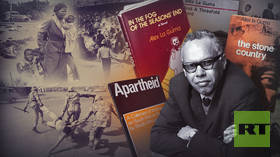
Historians have also documented atrocities committed by German colonial forces against the Herero, Nama and San peoples in the early 1900s, a chapter some describe as a “forgotten genocide”.
Against that backdrop, Uunona believes his father likely chose the name from that lingering German influence, without fully grasping its history.
Despite the international headlines his name attracts, Uunona continues to perform strongly at the ballot box.
Reports from Namibia’s recent local elections indicate he again secured a wide margin in Ompundja, extending a winning streak that began more than two decades ago.
Local media credit his dominance to years of grassroots work, including efforts to push for better roads, basic services, and support for rural households. For voters who have known him for years, the councillor’s record appears to matter far more than a name he is now intent on leaving in the past.
First published by IOL
You can share this story on social media:

