Institutional crypto adoption is getting into a brand new part – one that’s outlined loads much less by passive publicity and extra by direct participation in on-chain market formation, tokenized belongings, and real-time settlement infrastructure.
Within the following interview with the brand new Managing Director of Crypto.com, Iskandar Vanblarcum, we focus on the forces that drive that shift, the limitations nonetheless holding establishments again, and why real-world belongings (RWAs), collateral utility, and controlled prediction markets might reshape the worldwide monetary panorama as we all know it.
You’ve mentioned the subsequent period of finance can be “rebuilt on-chain.” Out of your conversations with institutional purchasers, what has modified most of their perspective towards digital belongings over the previous 12–18 months?
It is a pivotal second for institutional involvement within the digital belongings area. What’s modified within the final 12- 18 months is the regular maturation of our {industry}, alongside the event of particular and centered regulation governing the sector. Attitudes are additionally altering as extra establishments acknowledge the worth of blockchain expertise and cryptocurrencies, and the way their portfolios and companies can profit from decreased friction, sooner settlement, 24/7 entry, deep liquidity, and ultra-low-latency infrastructure, simply to call a couple of.
Institutional adoption of crypto has usually been framed round Bitcoin publicity, ETFs, or custody. Are we now getting into a part the place establishments are trying extra severely at on-chain market infrastructure itself, reasonably than simply crypto as an asset class?
Sure, that is an attention-grabbing shift that we’re seeing. We’re witnessing a deep, structural integration the place establishments are shifting away from merely gaining passive worth publicity to actively using decentralized infrastructure. That is evident as establishments combine tokenized real-world belongings, like BlackRock’s BUIDL, instantly as lively buying and selling collateral. Corporations are additionally adopting real-time blockchain settlement networks, equivalent to Lynq, to optimize capital effectivity by “Yield-in-Transit” expertise. Moreover, conventional banks like Nedbank are using blockchain rails to create resilient, low-cost cross-border cost ecosystems. In the end, the excellence between conventional belongings and digital infrastructure is disappearing as establishments leverage blockchain’s 24/7 programmability to rewire legacy markets.
What are the primary limitations nonetheless stopping bigger establishments from growing their allocation or exercise in digital belongings: regulation, liquidity, counterparty threat, inside mandates, reputational issues, or one thing else?
Establishments demand a excessive regulatory normal of operation and strict safety and compliance frameworks. There are nonetheless challenges round fragmented world regulatory frameworks and the authorized classification of sure merchandise, which can be holding some traders again. We have now spent years constructing and investing in an institutional-grade platform, however establishments can even want to take a position closely in specialised infrastructure to handle evolving compliance requirements and technological vulnerabilities earlier than they’ll construct belief and deploy capital safely.
Crypto.com has highlighted real-world asset choices as a part of your remit. Which classes of tokenized RWAs do you imagine have the strongest near-term institutional demand: money-market funds, bonds, equities, commodities, personal credit score, or one thing else?
We’re laser-focused on the Trade’s Actual-World Asset choices. It is a key space for the {industry} proper now, and providing BUIDL-as-collateral was an essential milestone. The following play is perpetual markets on real-world exposures like equities, commodities, metals, and pre-IPO names, providing all of this 24/7 on-chain and backed by institutional-grade infrastructure. The Crypto.com Trade is properly on its technique to delivering on this, and I’m trying ahead to spearheading the event of those services even additional.
Tokenized RWAs are sometimes described as a bridge between conventional finance and crypto. In sensible phrases, what do establishments want from an change venue earlier than they’re comfy buying and selling, utilizing, or posting tokenized belongings as collateral?
As an institutional-grade change, it’s important to supply a mixture of compliant, industry-leading product choices, unparalleled safety, strong infrastructure, strong custody companies, and robust banking partnerships globally for on- and off-ramps. All asset courses—together with equities, commodities, bonds, funds, artwork, and actual property—will progressively be tokenized on the blockchain. Bringing these belongings on-chain instantly resolves legacy market inefficiencies by unlocking 24/7 tradability, fast real-time settlement, decrease transaction prices, and enhanced world liquidity. However it’s important to have the foundational infrastructure in place to deal with the degrees of Institutional capital which are flowing into tokenized belongings.
Crypto.com just lately built-in BlackRock’s tokenized fund BUIDL as collateral for margin buying and selling, in response to the appointment announcement. How essential is collateral utility in making tokenized belongings institutionally related, reasonably than merely tokenized variations of present merchandise?
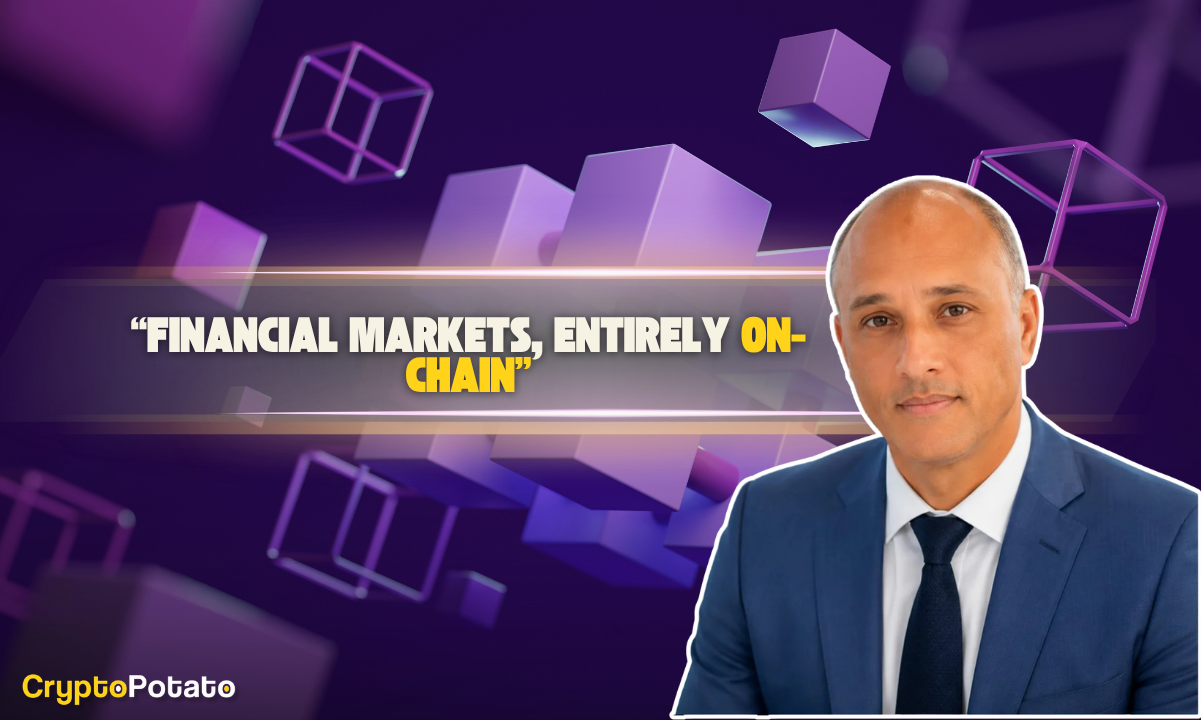
This was a landmark second that completely illustrates the fast convergence of conventional finance and digital belongings. It alerts a definitive shift towards a future the place monetary markets function solely on-chain, remodeling how capital is managed and deployed. It’s a testomony to the rising demand for tokenized securities and proves that the way forward for finance can be outlined by the programmability, velocity, and 24/7 nature of digital infrastructure. The combination serves as a blueprint for a way TradFi asset issuers like BlackRock can successfully merge with regulated centralized crypto platforms like Crypto.com and decentralized on-chain entry to create a extra environment friendly monetary system.
Your new position additionally consists of increasing regulated prediction markets and occasion contracts. What makes these merchandise engaging to institutional purchasers, and the way do you see them becoming alongside conventional derivatives, macro-hedging instruments, or portfolio threat methods?
Prediction markets are shortly turning into one of the in-demand monetary devices and might serve as a substitute technique to commerce and offset threat for institutional traders. We’re the place derivatives had been within the Eighties – institutional capital is aware of they belong within the portfolio, and they’re searching for a regulated, safe platform to entry these contracts. That is the place the chance lies for the Crypto.com Trade. For instance, Crypto.com was the primary main crypto platform globally to safe a full stack of U.S. CFTC derivatives licenses – and prediction markets within the U.S. come firmly inside CFTC oversight. You mix compliant merchandise, safety, entry to collateral and custody companies, on high of deep liquidity and different monetary companies, multi functional platform, and it is a actually engaging supply to these establishments trying to make use of a good and established model for his or her entry into the occasion contracts area.
The submit Crypto.com’s Managing Director: Establishments Are Shifting Past Bitcoin to Rewire Finance On-Chain (Interview) appeared first on CryptoPotato.
Supply hyperlink